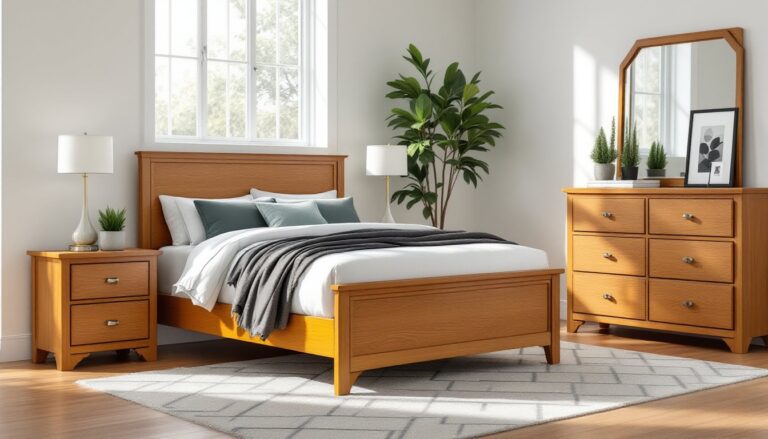
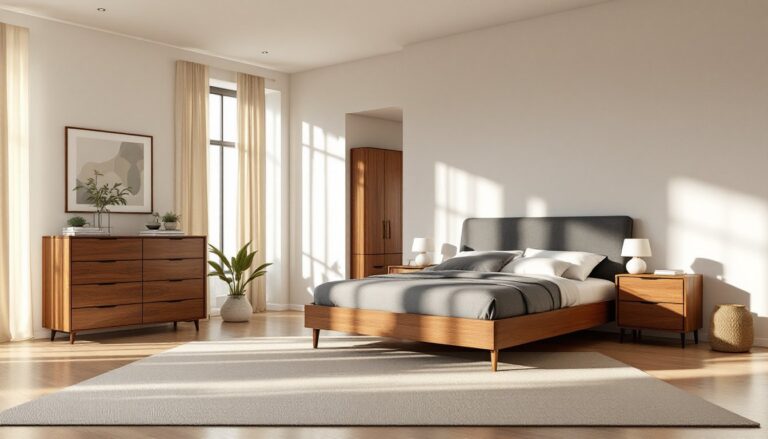
White bedroom furniture offers a clean slate that adapts to changing tastes, from princess canopies to teen study spaces, without requiring a full furniture overhaul. It reflects light, making small rooms feel bigger, and pairs with virtually any color scheme parents or kids choose. Unlike trendy pastels or themed sets that scream “toddler,” white pieces grow with the child, saving money and hassle over the years. The key is choosing well-built furniture with smooth finishes that resist yellowing and stand up to daily wear. This guide covers the essential pieces, styling strategies, and durability factors that make white furniture a smart investment for a girl’s bedroom.
Table of Contents
ToggleKey Takeaways
- White bedroom furniture for girls adapts through every life stage, from princess themes to teen study spaces, without requiring costly replacements.
- Choose solid wood or quality engineered wood with multi-step finishes to resist yellowing, chipping, and warping for long-term durability.
- Invest in proper drawer joinery (dovetail or dowel construction) and secure tall furniture pieces to walls to prevent tip-over injuries and ensure safety.
- Layer personality into a white furniture room through bedding, accent walls, rugs, and hardware swaps—making it easy to evolve with her changing tastes.
- Prioritize furniture with certifications like GREENGUARD Gold or CPSC compliance and verify weight limits to ensure safety and chemical-free environments.
Why White Bedroom Furniture Is Perfect for Girls’ Rooms
White furniture delivers design flexibility that no other color can match. A five-year-old who loves unicorns becomes a twelve-year-old who wants teal walls and geometric prints, white furniture stays neutral through every phase. Parents can swap bedding, curtains, and wall colors without replacing expensive pieces.
From a practical standpoint, white surfaces show dust and scuffs clearly, which keeps cleaning on schedule rather than letting grime build up unnoticed. Modern white finishes use durable catalyzed lacquers or conversion varnishes that resist chipping better than older milk paints. Look for solid wood or quality engineered wood (MDF with hardwood veneer) rather than particleboard, which sags and crumbles at joints over time.
White also maximizes natural light. Bedrooms on the north side of a house or those with single windows benefit significantly from reflective surfaces. Darker furniture absorbs light, making the space feel smaller and requiring more artificial lighting, a real issue during assignments hours or morning routines.
One downside: cheaper white furniture yellows as the finish ages or from exposure to sunlight and heating vents. Water-based polyurethane topcoats stay clearer longer than oil-based finishes. When shopping, ask about the finish type and UV resistance, especially for pieces near windows. Quality manufacturers use multi-coat systems (primer, paint, topcoat) that maintain color integrity for years.
Essential White Furniture Pieces for a Girl’s Bedroom
Bed Frames and Headboards
Twin and full sizes are most common for girls’ rooms. A twin fits standard bedroom dimensions (10×10 or 10×12 feet) and leaves floor space for play or a desk. Full-size beds suit older kids who want more sprawl or have sleepovers often, but they require at least a 10×12 room to avoid a cramped feel.
Platform beds with built-in slat supports eliminate the need for a box spring, saving about 6 inches of height, useful in rooms with low ceilings or for younger kids who don’t want a big climb. Look for slats spaced no more than 3 inches apart to prevent mattress sagging and ensure warranty compliance.
Headboards add structure without taking up floor space. Bookcase headboards offer shelving for books or charging stations, but avoid overly deep models (more than 10 inches) that push the bed too far into the room. Simple panel or spindle headboards keep the look light and don’t compete with wall decor.
Daybeds and canopy frames work well for girls who want a lounge-like space. Daybeds double as seating during the day: choose models with a trundle for sleepovers. Canopy beds create drama, but the frame posts should be solid hardwood (not hollow tubes) to avoid wobbling. Draping fabric is optional, the frame alone adds architectural interest.
Skip beds with attached storage drawers underneath unless mobility isn’t a concern. Drawers make the bed heavier and harder to move for cleaning or rearranging. Standalone storage is more flexible.
Dressers and Storage Solutions
Six-drawer dressers are the workhorse of kids’ rooms. Standard dimensions (roughly 30 inches high, 48–54 inches wide, 18 inches deep) hold folded clothes, art supplies, and accessories without dominating the room. Check that drawer boxes use dovetail or dowel joinery, not just staples, which fail quickly under a kid’s aggressive pulling.
Drawer glides matter more than parents think. Ball-bearing or soft-close undermount glides (mounted beneath the drawer) last longer and prevent slammed fingers compared to cheap side-mount plastic tracks. Test them in the store, drawers should glide smoothly when pulled at an angle, not just straight out.
Dressers double as a changing table for younger kids if they’re around 36 inches high. Add a changing pad with a safety strap, but never leave a child unattended. Once out of diapers, remove the pad and use the surface for a lamp, mirror, or decorative items.
Chests (tall, narrow dressers) fit well in corners or small rooms, offering five or six drawers in a smaller footprint. They’re top-heavy, so anchor them to the wall using furniture straps or L-brackets into studs. The U.S. Consumer Product Safety Commission reports dozens of tip-over injuries annually, this step is non-negotiable.
Nightstands keep a lamp, alarm clock, or water bottle within reach. Choose models with at least one drawer to hide clutter. Open-shelf nightstands look airy but collect dust and small items that end up on the floor.
Bookcases and cubbies in white keep the room from feeling color-blocked. Five-shelf units (roughly 72 inches tall) hold books, bins, and display items. Secure tall bookcases to the wall the same way as chests. Cubbies with fabric bins work well for toys or shoes, buy bins in the room’s accent color for a cohesive look.
Styling White Furniture to Match Her Personality
White furniture is the backdrop, not the star. Layering color and texture through textiles, wall art, and accessories personalizes the space without permanent commitment.
Bedding sets the tone. Bright florals, geometric prints, or solid colors in her favorite shades make white furniture pop. Change duvets or comforters seasonally or when tastes shift, far cheaper than repainting or replacing furniture. Use pillow shams and throw pillows to add patterns without overwhelming the bed.
Accent walls or removable wallpaper behind the headboard create a focal point. Peel-and-stick options let renters or indecisive decorators swap designs easily. Bold colors (navy, coral, emerald) contrast sharply with white furniture: soft pastels (blush, mint, lavender) keep the room light and airy.
Rugs define zones in larger rooms, a play area, reading nook, or dressing space. Go for low-pile rugs that vacuum easily and don’t trap crumbs or small toys. Avoid shag in kids’ rooms unless parents enjoy excavating LEGOs.
Hardware upgrades give white furniture instant personality. Swap standard knobs for ceramic florals, brushed gold, or acrylic pulls in fun shapes. Most dressers use standard 3- or 3.75-inch center-to-center spacing for pulls: measure before buying.
Lighting layers the room’s function. Overhead fixtures provide general light, but table lamps on nightstands and desks reduce eye strain during assignments. String lights or LED strips under shelves add a playful touch, just use low-heat LEDs to avoid fire risk.
Wall decor and personal touches reflect her hobbies. Floating shelves in white or a contrasting wood tone hold trophies, framed art, or collections. Pegboards (painted to match walls or left natural) organize craft supplies, jewelry, or accessories while staying flexible as interests change.
Choosing Durable White Furniture That Grows with Her
Solid wood beats particleboard every time. Pine, poplar, and rubberwood are common in mid-range kids’ furniture and handle dings well. Engineered wood (MDF core with hardwood veneer) costs less and resists warping better than solid wood in humid climates, but edge banding must be intact to prevent moisture damage. Particleboard is the budget option, acceptable for nightstands or small pieces, but avoid it for dressers or beds that see heavy use.
Finish quality determines longevity. Multi-step finishes (primer, paint, clear topcoat) resist scratches and moisture better than single-coat paint over raw wood. Water-based finishes emit fewer VOCs (volatile organic compounds) and don’t yellow, making them safer for kids’ rooms and better long-term.
Joinery reveals build quality. Dovetail or dowel joints in drawer boxes hold up under abuse: stapled corners fail fast. Bed frames should use mortise-and-tenon or bolt-and-barrel nut connections at stress points (where rails meet posts). Avoid beds that rely solely on L-brackets or corner braces, they loosen over time.
Adjustable features extend usability. Beds with adjustable mattress heights work as cribs convert to toddler beds, though most girls outgrow themed toddler beds quickly. Better to buy a twin or full that lasts through high school. Desks with adjustable-height legs or removable hutches adapt as needs change from coloring station to assignments command center.
Weight limits matter for beds. A quality twin bed should support at least 250 pounds: full-size should handle 400-plus. Check manufacturer specs, some budget beds max out at 150 pounds, too low for teens or sleepovers.
Safety certifications aren’t just marketing. Look for GREENGUARD Gold (low chemical emissions), JPMA (Juvenile Products Manufacturers Association), or CPSC compliance (meets U.S. safety standards). These certifications mean the furniture has been tested for lead, phthalates, and tip-over resistance.
Conclusion
White bedroom furniture gives girls a versatile foundation that adapts as they grow, from toddlerhood through the teen years, without needing costly replacements. Prioritize solid construction, quality finishes, and proper safety anchors over trendy details. With thoughtful styling using color, textiles, and personal touches, a white furniture set becomes the backdrop for a room that truly reflects her personality at every stage.