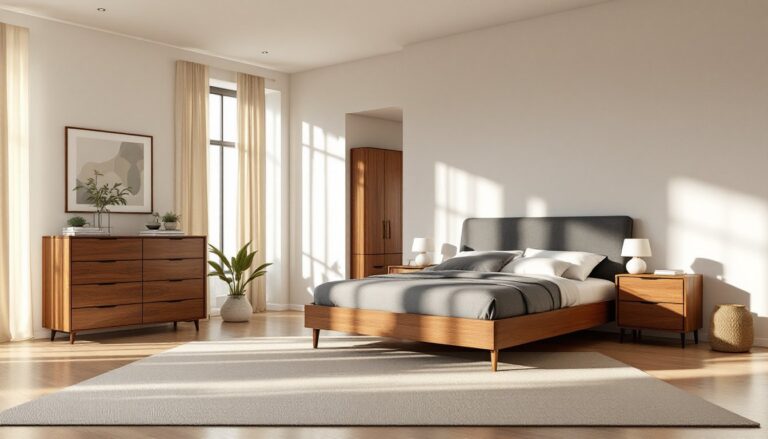
Honey oak bedroom furniture has weathered decades of design trends, and for good reason. Its warm golden tones bring an unmistakable richness to any bedroom, balancing the formality of darker woods with the airiness of lighter finishes. While some dismiss it as dated, quality honey oak pieces remain versatile workhorses that can anchor both traditional and updated bedroom designs. The key is understanding what distinguishes well-crafted honey oak furniture from budget particle board with oak veneer, and how to style these pieces so they feel intentional rather than stuck in a time warp. This guide walks through everything from set components to care, helping homeowners make informed decisions about investing in or refreshing honey oak bedroom furniture.
Table of Contents
ToggleKey Takeaways
- Honey oak bedroom furniture sets offer durability and timeless appeal—solid oak resists scratches and dents, with pieces lasting 30+ years when properly maintained.
- Look for quality construction markers like dovetail drawer joinery, solid wood components, and metal ball-bearing slides rather than engineered wood with veneer or particle board cores.
- Style honey oak furniture with neutral walls, cool accent colors, or earth tones to keep the look fresh; avoid monochromatic schemes that make rooms feel flat and dated.
- Control humidity between 35–55% year-round to prevent wood expansion and contraction that causes cracked panels, stuck drawers, and separated joints.
- Quality honey oak bedroom furniture is available through traditional retailers, online platforms, estate sales, unfinished furniture stores, or custom makers—always verify return policies and warranty coverage before purchasing.
What Makes Honey Oak Bedroom Furniture Stand Out
Honey oak refers to oak wood, typically red oak or white oak, finished with a warm, golden-amber stain that emphasizes the wood’s natural grain patterns. The term “honey” describes the color, not a specific stain formula, so shades vary from pale gold to deeper caramel tones depending on the manufacturer and finishing process.
The appeal starts with the material itself. Solid oak ranks among the hardest domestic hardwoods, with a Janka hardness rating around 1,290 for red oak and 1,360 for white oak. This density translates to furniture that resists dents, scratches, and the daily wear of bedroom use far better than softer woods like pine or poplar. Properly maintained oak furniture routinely lasts 30+ years, making it a legitimate long-term investment rather than disposable furnishing.
Oak’s open grain structure creates the distinctive cathedral and ray fleck patterns visible through honey oak finishes. These natural markings add visual interest and character that flat-grain woods or veneers can’t replicate. Red oak typically shows more pronounced grain with pinkish undertones, while white oak displays tighter grain with slight gray-green notes beneath the honey finish.
Construction quality matters as much as wood species. Look for dovetail joinery in drawer boxes, interlocking angled cuts that hold without glue or fasteners and indicate skilled craftsmanship. Drawer boxes should be solid wood (often a secondary wood like poplar for cost savings) rather than particle board. Full-extension ball-bearing drawer slides outperform cheaper roller or side-mount hardware, and furniture-grade plywood backs beat stapled cardboard.
Be cautious with terms like “oak finish” or “oak veneer” without the word “solid.” These often describe engineered wood cores (MDF or particle board) topped with thin oak veneer or printed vinyl. While veneer over quality plywood can be stable and attractive, particle board cores sag, chip at edges, and fail when hardware loosens.
Essential Pieces in a Complete Honey Oak Bedroom Set
A full honey oak bedroom set typically includes four to six core pieces, though buyers can purchase individual items to fit their space and budget.
The bed frame forms the foundation. Most honey oak sets offer queen (60″ × 80″) and king (76″ × 80″) sizes, with full and California king less common. Panel beds with flat or raised center panels in the headboard represent the most traditional style, while slat or mission styles lean more contemporary. Check that side rails use metal bed frame brackets or heavy-duty wooden cleats, both properly reinforced, to support the mattress and box spring. Some modern frames accommodate platform mattresses without box springs: confirm compatibility before purchasing a mattress.
Dressers in honey oak sets usually measure 54″–66″ wide with six to nine drawers in two columns. The top provides display space for mirrors, lamps, or décor while drawers handle folded clothing. Quality dressers include drawer stops to prevent accidental removal and felt-lined top drawers for delicate items. Many sets offer both a tall dresser (chest of drawers) and a wide double dresser for maximum storage flexibility.
Nightstands flank the bed at 24″–28″ height, level with most mattress tops for easy reach. Most feature two or three drawers, though single-drawer designs with open shelving below suit users who prefer visible book storage. Width typically runs 20″–24″: measure bedroom walkways to ensure nightstands don’t create bottlenecks. Aim for at least 36″ clearance on either side of the bed for comfortable movement.
Mirrors in honey oak sets mount above dressers or stand independently. Framed mirrors should attach securely with French cleats or heavy-duty picture wire rated for the weight, large wood-framed mirrors easily exceed 40 pounds. Wall studs provide the only safe anchor points for mirrors this size: drywall anchors will eventually fail.
Optional pieces include armoires (also called wardrobes) for homes lacking adequate closet space, chests (tall, narrow five- to seven-drawer units), and vanities with attached mirrors and small drawers for makeup or jewelry. Armoires often repurpose well as media centers or linen storage as bedroom needs change.
Styling Your Bedroom with Honey Oak Furniture
Honey oak’s warm midtone finish plays well with a surprising range of design styles, but thoughtful color and design choices keep the look fresh rather than dated.
Color Palettes That Complement Honey Oak
Neutral foundations work reliably. Walls in soft white, cream, greige (gray-beige blend), or light taupe let honey oak furniture stand out without competing. Pure bright white can create harsh contrast that emphasizes the yellow tones in honey oak: warmer whites with cream or ivory bases feel more cohesive. Benjamin Moore’s White Dove or Sherwin-Williams’ Alabaster provide tested warm white options.
Cool accent colors balance oak’s warmth effectively. Sage green, dusty blue, slate gray, and soft charcoal all create visual interest without clashing. These work well in bedding, window treatments, or accent walls. The cool tones temper honey oak’s golden cast, preventing the room from feeling too yellow or orange-toned.
Earth tones create natural harmony, think terracotta, rust, olive, chocolate brown, and deep teal. These richer colors suit traditional or eclectic styles and pair especially well with textured fabrics like linen, wool, or chenille.
Avoid matching everything to the wood tone. Monochromatic honey-toned walls, bedding, and accessories make rooms feel flat and one-note. Contrast anchors the furniture visually.
Modern vs. Traditional Design Approaches
Traditional styling leans into honey oak’s heritage roots. Pair furniture with classic textiles, damask, paisley, or floral patterns in window treatments and bedding. Oriental or Persian-style area rugs in burgundy, navy, or forest green anchor the space with pattern and additional warmth. Layer with brass or antique bronze hardware on lamps and accessories. Crown molding, wainscoting, and deeper wall colors like burgundy or hunter green complete the formal look.
Modern approaches streamline honey oak with cleaner lines and minimal accessories. Keep walls light and neutral: choose solid-color bedding in crisp white, charcoal, or navy. Replace dated brass pulls on furniture with brushed nickel or matte black hardware, an easy DIY update requiring only a screwdriver. Add contemporary lighting like cylinder pendant lights or arc floor lamps instead of traditional table lamps with fabric shades. Incorporate metal, glass, or concrete accessories rather than heavy wood décor. Large-scale abstract art or black-and-white photography provides visual weight without competing patterns. This approach respects the quality of the furniture while pulling it into a current aesthetic.
Care and Maintenance Tips for Honey Oak Bedroom Sets
Oak’s durability doesn’t mean it’s maintenance-free. Proper care preserves both finish and structure for decades.
Dust regularly with a microfiber cloth, weekly is ideal. Dust acts as an abrasive when it accumulates, dulling finishes over time. Avoid feather dusters, which redistribute dust rather than capturing it. For detailed carvings or crevices, use a soft-bristle paintbrush to dislodge dust before wiping.
Clean with appropriate products. For routine cleaning beyond dusting, use a slightly damp (not wet) cloth with plain water or a pH-neutral wood cleaner. Wring the cloth thoroughly, excess moisture damages wood finishes and can raise grain or cause veneer separation. Immediately dry with a clean cloth. Avoid all-purpose cleaners containing ammonia or silicone: ammonia breaks down finishes while silicone builds up, creating a hazy film that attracts more dust.
Polish sparingly, once or twice yearly is sufficient. Use paste wax or quality furniture polish (not spray aerosols, which mostly contain solvents). Apply thin coats with a soft cloth, following grain direction, then buff to a soft sheen. Over-polishing creates buildup that actually dulls appearance. Wax provides a protective barrier against moisture and minor scratches.
Control humidity levels between 35%–55% year-round. Oak expands in high humidity and contracts when air is dry, leading to cracked panels, stuck drawers, or separated joints. Use a humidifier in winter when heating systems dry indoor air, and a dehumidifier in humid summer months. Avoid placing furniture near heating vents, radiators, or air conditioning units where temperature and humidity fluctuate dramatically.
Address damage promptly. Minor scratches often respond to furniture touch-up markers in matching honey oak shades, test in inconspicuous areas first. Deeper scratches or gouges may require wood filler, light sanding with 220-grit sandpaper, and finish pen or stain pen application. For significant damage, consult furniture repair professionals rather than attempting complex refinishing.
Protect surfaces with felt pads under lamps and accessories. Use coasters under any drinks and avoid placing hot items directly on wood. Rotate accessories periodically so finishes age evenly rather than creating light/dark patches where items sit permanently.
Tighten hardware annually. Check drawer pulls, bed frame bolts, and mirror attachments: vibrations from normal use gradually loosen fasteners. Keep a furniture touch-up kit with extra screws, wood glue, and finish markers for quick repairs.
Where to Find Quality Honey Oak Bedroom Furniture Sets
Honey oak furniture occupies an interesting market position, less common in mainstream retail than gray-washed or espresso finishes, but still available from several sources.
Traditional furniture stores remain the primary source for new honey oak bedroom sets. Regional chains and independent retailers often stock classic styles, particularly in areas where traditional design preferences remain strong. Ask specifically about construction details: dovetail joints, solid wood components, and drawer slide quality. Request finish samples and inspect grain patterns, consistent color and clear grain indicate quality materials.
Online furniture retailers like Wayfair, Overstock, and Amazon offer honey oak options, though selection varies. The advantage is broader choice and competitive pricing: the disadvantage is inability to inspect construction and finish quality before purchase. Read detailed reviews focusing on assembly difficulty, actual color versus photos (screen calibration varies widely), and long-term durability reports. Check return policies carefully, furniture returns involve significant shipping costs.
Estate sales and auctions provide opportunities to acquire well-made older honey oak furniture at significant discounts. Pieces from the 1980s–2000s often feature solid wood construction superior to comparable new furniture at budget price points. Inspect carefully for loose joints, drawer damage, and finish condition. Minor wear is acceptable: structural issues like cracked rails or separated veneer may not justify even low prices unless repair skills are strong.
Unfinished furniture stores sell solid oak pieces in raw wood for home finishing. This option suits DIYers comfortable with staining and sealing, allowing complete control over final honey oak shade. Expect to invest in wood conditioner (evens stain absorption on oak’s porous grain), oil-based stain in honey or golden oak tones, and polyurethane topcoat (three coats minimum for durability). Budget time, proper finishing with drying intervals takes several days per piece.
Custom furniture makers build honey oak sets to exact specifications, ideal for non-standard room dimensions or specific design preferences. Expect to pay 50%–150% more than retail furniture, with lead times of 8–16 weeks. Request wood species confirmation, joinery details, and finish samples before committing. Custom work makes sense for heirloom-quality pieces or when standard sizes don’t fit unusual spaces.
Regardless of source, verify return policies, delivery/assembly options, and warranty coverage before purchasing. Quality honey oak bedroom furniture represents a substantial investment, ensure the seller stands behind their product.