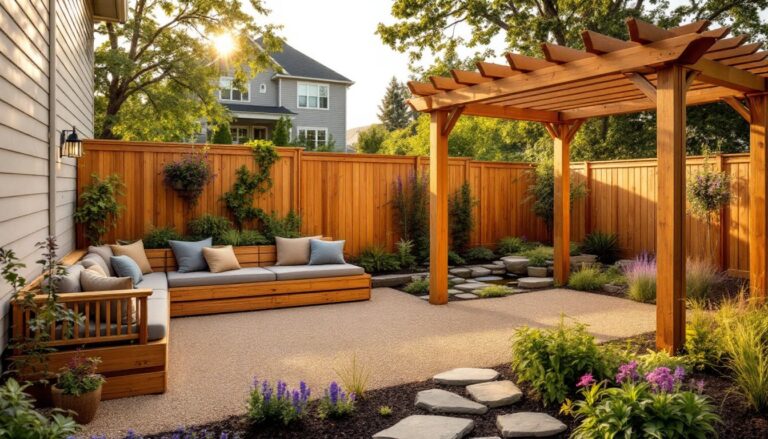
Creating a tropical front yard isn’t about transplanting a rainforest to the suburbs, it’s about using layered greenery, bold foliage, and smart design to build a landscape that feels lush, welcoming, and vibrant year-round. Whether the homeowner lives in USDA Zone 9 or just wants to fake the tropics in Zone 7, the principles remain the same: dense planting, contrasting textures, and a focus on foliage over flowers. This guide walks through the essentials, from choosing cold-hardy palms to managing irrigation, so any DIYer can turn a bland front yard into a statement entryway without hiring a landscape architect.
Table of Contents
ToggleKey Takeaways
- Tropical front yard landscaping relies on three core layers—canopy, midlayer, and groundcover—to create a lush, structured design that works in any climate zone.
- Bold foliage contrast and vertical layering are more important than flowers; pair broad-leafed plants with fine-textured ferns and use variegated colors to create visual depth and movement.
- Cold-hardy plants like windmill palms, ornamental gingers, and hardy bananas allow homeowners in USDA Zones 7–8 to achieve tropical landscaping without exotic imports.
- Consistent irrigation, proper mulching (3–4 inches of hardwood bark or cypress), and seasonal maintenance prevent root rot and keep tropical plants thriving year-round.
- Tropical front yards reduce lawn mowing and weeding compared to traditional landscapes while solving design challenges like narrow side yards and bare walls through dense planting.
Why Choose Tropical Landscaping for Your Front Yard?
Tropical landscaping delivers instant curb appeal through high-density planting and architectural foliage that stands out in any neighborhood. Unlike traditional foundation plantings, boxwoods, azaleas, and lawn, tropical designs prioritize verticality, texture contrast, and evergreen structure. The result is a front yard that looks intentional and mature faster than conventional landscapes.
From a practical standpoint, tropical plants often require less mowing and edging than lawn-heavy designs. Dense groundcovers and mulched beds suppress weeds, and many tropicals thrive with minimal pruning once established. In warmer climates (Zones 8b–11), tropical species are well-adapted to heat, humidity, and summer storms. In cooler zones, cold-hardy varieties like windmill palms and hardy bananas can survive winters with mulch protection or seasonal containerization.
Tropical front yards also solve common design problems: narrow side yards become lush passageways, bland concrete walkways gain softening borders, and bare walls transform into vertical gardens. The style works equally well on small urban lots and sprawling suburban properties, as long as the planting is proportional and layered.
Essential Elements of Tropical Front Yard Design
A convincing tropical landscape depends on three core layers: canopy, midlayer, and groundcover. The canopy provides height and structure, think palms, tree ferns, or specimen banana plants. The midlayer fills visual gaps with shrubs, ornamental grasses, and medium-height tropicals like crotons or ti plants. Groundcovers (bromeliads, ferns, or creeping fig) tie everything together and prevent bare soil from breaking the illusion.
Hardscaping plays a supporting role. Curved pathways made from decomposed granite, flagstone, or brick pavers mimic organic jungle trails better than rigid concrete slabs. Boulders, lava rock, or driftwood add natural focal points without competing with the greenery. If the front yard includes a porch or entryway, consider adding a water feature, a small bubbling urn or wall fountain introduces sound and movement without the maintenance burden of a koi pond.
Mulch selection matters more in tropical designs than in traditional landscaping. Use shredded hardwood bark or cypress mulch in 3–4 inch layers to retain moisture, regulate soil temperature, and give beds a finished look. Pine straw works in the Southeast but tends to look too sparse in dense tropical plantings. Avoid dyed mulches, which fade quickly and clash with vibrant foliage.
Layered Planting and Bold Foliage
The magic of tropical landscaping lies in vertical and horizontal layering. Start by identifying sight lines from the street and front door. Place the tallest plants, palms, bananas, or elephant ears, at the back of beds or corners, where they frame the home without blocking windows. Mid-height plants (4–6 feet) go in front of tall specimens, creating depth. Low growers (under 2 feet) edge pathways and fill gaps.
Foliage contrast is non-negotiable. Pair broad-leafed plants like hostas or caladiums with fine-textured ferns or ornamental grasses. Mix upright forms (cordylines, dracaenas) with mounding habits (bromeliads, mondo grass). Use variegated or colored foliage, red ti plants, chartreuse sweet potato vine, or silver-striped agaves, to break up solid green masses. The goal is for the eye to move continuously through the planting, never landing on a flat, monotonous plane.
Best Tropical Plants for Front Yard Curb Appeal
Not every tropical plant tolerates front-yard conditions, full sun, reflected heat from driveways, and occasional neglect. These proven performers deliver bold impact with reasonable maintenance:
- Windmill Palm (Trachycarpus fortunei): Cold-hardy to Zone 7b, grows 10–15 feet tall, tolerates part shade. Slower growing than most palms, but trunk texture and fan fronds add instant tropical structure.
- Sago Palm (Cycas revoluta): Technically a cycad, not a palm. Grows 3–6 feet, drought-tolerant once established, works in Zones 8–11. Note: All parts are toxic to pets and children.
- Elephant Ear (Colocasia/Alocasia spp.): Massive heart-shaped leaves, 3–6 feet tall. Thrives in part shade with consistent moisture. Tubers can be lifted and stored indoors in cold climates.
- Canna Lily: Blooms in red, orange, yellow, or pink: foliage ranges from green to burgundy to variegated. Grows 3–6 feet, full sun, Zones 7–11. Cut back after frost.
- Bromeliads (Neoregelia, Aechmea): Low-maintenance rosettes with colorful centers. Ideal for shaded bed edges or containers. Hardy in Zones 9–11: elsewhere, treat as annuals or bring indoors.
- Ti Plant (Cordyline fruticosa): Strappy leaves in red, pink, green, or variegated combos. Grows 3–6 feet, tolerates part shade, Zone 10–11 (or containers).
- Ornamental Ginger (Alpinia, Hedychium): Tall (4–8 feet), fragrant flowers, bold foliage. Prefers part shade and moisture. Hardy to Zone 7 with mulch protection.
For cold-climate fakes, rotate hardy banana (Musa basjoo), hardy hibiscus, and tropical-looking perennials like ligularia or rodgersia into the front beds. Containerize tender specimens (bougainvillea, plumeria, mandevilla) and move them to a garage or basement before the first hard freeze.
Creating Year-Round Color and Texture
Tropical landscapes lean on foliage for consistency and flowers for seasonal accents. In warm climates, hibiscus, bougainvillea, and ixora provide near-constant blooms. In cooler zones, annual tropicals, coleus, caladiums, Persian shield, fill color gaps from May through October.
Evergreen structure is the backbone of year-round interest. Palms, cycads, and broadleaf evergreens like fatsia or aucuba hold the design through winter. In Zones 7–8, expect some foliage dieback on marginally hardy plants: mulch root zones heavily in late fall and cut back dead stems in early spring.
Lighting extends visual impact after dark. Use low-voltage LED uplights (3–5 watts) at the base of palms or specimen plants to cast dramatic shadows on walls or fences. Avoid over-lighting, two or three well-placed fixtures create more drama than a dozen scattered spots. Warm white (2700–3000K) bulbs complement foliage better than cool or daylight temps.
Seasonal rotation keeps the front yard from going stale. Swap out spent annuals in late fall, refresh mulch in spring, and divide overcrowded perennials every 2–3 years. Even in tropical climates, a light edit each season prevents the jungle from turning into a tangled mess.
Maintenance Tips for a Thriving Tropical Landscape
Tropical plants are often less fussy than their reputation suggests, but they do have specific needs, especially around water, fertilizer, and cold protection.
Irrigation is critical in the first year and during establishment. Most tropicals prefer consistent moisture, not soggy soil. Install drip irrigation or soaker hoses on a timer (15–20 minutes every 2–3 days in summer, less in cooler months). Mulch heavily to slow evaporation. In high-rainfall climates, ensure beds have adequate drainage, amend clay soils with compost and coarse sand to prevent root rot.
Fertilization schedules vary by plant. Fast growers like bananas and cannas benefit from slow-release granular fertilizer (10-10-10 or 14-14-14) every 6–8 weeks during the growing season. Palms need specialized palm fertilizer with micronutrients (manganese, magnesium) to prevent yellowing fronds. Apply in March, June, and September in warm climates: skip fertilizing after August in cooler zones to avoid pushing tender new growth before frost.
Pruning keeps tropical beds from swallowing sidewalks. Remove dead or damaged leaves as they appear, use clean bypass pruners or a sharp machete for larger stems. Don’t shear tropicals into balls or boxes: maintain their natural form. Thin overcrowded clumps of ginger, canna, or liriope every few years by digging and dividing root masses in early spring.
Cold protection in marginal zones requires planning. When frost threatens, cover tender plants with frost blankets or burlap (not plastic, which conducts cold). For potted specimens, move them to a garage, covered porch, or unheated basement. Wrap palm trunks with burlap or pipe insulation if temperatures drop below 25°F for extended periods. Mulch root zones of in-ground tropicals with 6–8 inches of shredded leaves or straw.
Pest and disease management is usually light. Watch for spider mites on ti plants and crotons (spray with insecticidal soap). Scale insects appear on palms and cycads: treat with horticultural oil. Slug and snail damage shows up on hostas and elephant ears in humid climates, use iron phosphate bait around affected plants. Fungal issues (leaf spot, root rot) result from poor drainage or overhead watering: improve soil structure and water at the base of plants, not over foliage.
Conclusion
A tropical front yard delivers bold curb appeal through layered greenery, architectural plants, and smart design, not a truckload of exotic imports. By choosing cold-hardy specimens, prioritizing foliage over flowers, and committing to consistent watering and seasonal care, any homeowner can pull off the look. Start with a few statement plants, layer in texture and height, and let the jungle grow in.