Utah homeowners face a unique challenge when selecting patio furniture: intense UV exposure at high elevation, rapid temperature swings, and low humidity that can crack or fade inferior materials in just a few seasons. Unlike coastal or humid climates, Utah’s mountain desert conditions demand furniture built to handle 100°F summer days, sudden afternoon hailstorms, and occasional snow loads that linger into April. Choosing the wrong materials means replacing cushions annually or watching powder-coated finishes flake off by July. This guide walks through the best materials, styles, and buying strategies specifically for Utah’s climate, so homeowners can invest once and enjoy their outdoor spaces for years.
Table of Contents
ToggleKey Takeaways
- Utah’s high elevation, intense UV radiation (25% stronger than sea level), and extreme temperature swings require patio furniture built from UV-resistant and corrosion-resistant materials that won’t fade, crack, or rust within a few seasons.
- Powder-coated aluminum with stainless steel hardware and marine-grade finishes (3-5 mils thick) offer the best durability for Utah patios, while resin wicker with aluminum frames and solution-dyed acrylic cushions (like Sunbrella) resist fading far better than cheaper alternatives.
- Teak wood provides premium durability and requires minimal maintenance in Utah’s dry climate, while budget-conscious buyers should choose eucalyptus instead of pressure-treated pine or cedar, which splinter quickly in low humidity.
- Shop for patio furniture in Utah during July-August clearance sales (20-40% off) or September-October end-of-season events (50-60% off) rather than peak spring pricing, and verify all welds, hardware, and frame thickness before purchasing.
- Sectional seating with modular pieces, dining sets for 6-8 people, and fire pit arrangements dominate Utah patios, but confirm local ordinances before investing in permanent fire features due to seasonal open-flame restrictions.
Why Utah’s Climate Demands the Right Patio Furniture
Utah sits at elevations between 4,000 and 8,000 feet across most residential areas, which means UV radiation is 25% stronger than at sea level. This accelerates fading, cracking, and degradation in plastics, fabrics, and unprotected wood. Summer temperatures routinely spike above 95°F along the Wasatch Front, while nighttime lows can drop 30–40 degrees, causing materials to expand and contract daily.
Winter adds another layer of complexity. Even in milder zones like St. George, occasional freezing rain and snow require furniture that won’t trap moisture or rust at joints. Further north in Logan or Park City, homeowners often face snow loads that collapse lightweight frames or crack brittle resin.
Low humidity, often below 20% in summer, dries out natural materials. Untreated wood can split along the grain, and cheaper cushion foams crumble into dust within two seasons. Furniture that thrives in Atlanta or Seattle will fail fast in Utah without the right material selection and maintenance routine.
Anyone shopping for patio furniture in Utah should prioritize UV-resistant finishes, corrosion-resistant hardware, and quick-draining designs. Cosmetic appeal matters, but durability comes first.
Best Materials for Patio Furniture in Utah Weather
Metal and Aluminum Options
Powder-coated aluminum is the top choice for Utah patios. It won’t rust, handles temperature swings without warping, and weighs enough to resist wind gusts common in canyon-mouth neighborhoods. Look for furniture with stainless steel or zinc-coated hardware, standard steel bolts will corrode within a year, even in Utah’s dry air, due to occasional moisture and road salt carried by wind in winter.
Wrought iron offers classic styling but requires more upkeep. Unless it has a thick powder coat and annual touch-ups, exposed iron will develop surface rust. It’s heavy enough to stay put during storms, which works well on exposed decks, but moving pieces for cleaning becomes a two-person job.
Steel frames with marine-grade powder coating (typically 3–5 mils thick) resist chipping better than single-layer finishes. Avoid anything advertised as “painted” metal, paint won’t hold up to Utah’s UV and temperature extremes. Check welds and joints: cheap welding creates stress points that crack after a few freeze-thaw cycles.
Weather-Resistant Wicker and Teak
Resin wicker (also called all-weather wicker or HDPE wicker) has become a go-to for Utah homeowners who want the look of natural wicker without the maintenance. High-density polyethylene strands resist UV fading and won’t become brittle in low humidity. The key is the frame underneath, aluminum frames outperform steel in longevity. Cheap resin wicker uses thin-wall steel that rusts from the inside out, causing the wicker to sag or collapse.
Inspect the weave density. Tightly woven resin sheds water and stays taut: loose weaves stretch and trap dirt. Quality resin wicker typically comes with a 3–5 year fade warranty, which is a good baseline for Utah conditions.
Teak remains the gold standard for wood patio furniture, but it comes with a premium price tag. Teak’s natural oils resist moisture and insects, and it weathers to a silver-gray patina without rotting. In Utah’s dry climate, teak lasts decades with minimal care, an annual cleaning and optional teak oil application to maintain color. Untreated teak will not crack or split like pine or cedar in low humidity.
For budget-conscious buyers, eucalyptus offers similar durability at a lower cost, though it requires more frequent sealing (every 1–2 years). Avoid pressure-treated pine or unfinished cedar unless it’s kept under a covered patio, both dry out and splinter quickly in Utah’s sun and low humidity.
Top Styles of Patio Furniture for Utah Homes
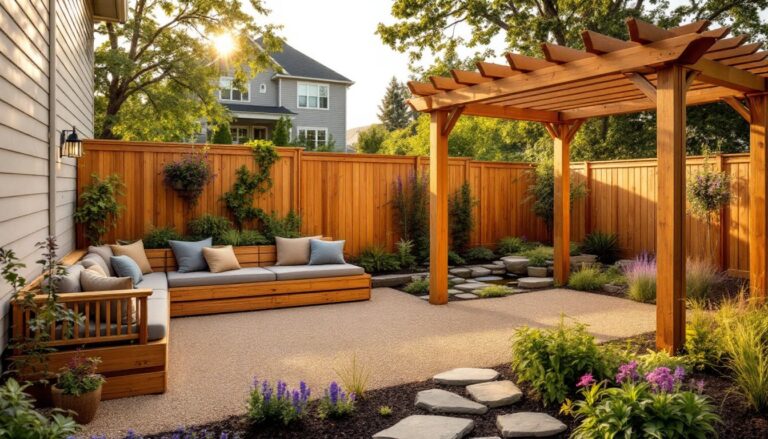
Sectional seating with modular pieces dominates Utah patios, especially in newer construction with larger outdoor footprints. Modular designs allow homeowners to reconfigure layouts for gatherings or tuck pieces away for winter storage. Look for sectionals with removable, zippered cushion covers made from solution-dyed acrylic (brand names include Sunbrella or similar). Solution-dyed fabrics resist fading far better than printed or dyed-after-weaving textiles.
Dining sets for 6–8 people are standard in Utah, where outdoor entertaining runs from April through October. Aluminum or teak tables with umbrella holes and reinforced center supports handle wind better than lightweight resin. Chairs should have contoured seats or thin cushions, thick foam cushions require storage during winter unless they’re designed with open-cell foam that drains water and dries quickly.
Rocking chairs and gliders fit Utah’s porch culture, particularly in northern counties. Powder-coated steel rockers outlast wood versions, which require annual staining to prevent sun damage. If opting for wood, verify it’s teak or treated eucalyptus, not pine.
Fire pit seating arrangements have surged in popularity. Adirondack-style chairs in resin or teak pair well with built-in or portable fire features. Keep in mind that some municipalities along the Wasatch Front have open-flame restrictions during high fire danger periods (typically mid-summer). Verify local ordinances before investing in a permanent fire pit setup.
Where to Buy Quality Patio Furniture in Utah
Local specialty retailers often carry stock selected for Utah’s climate. Stores like RC Willey (with multiple Utah locations) and Alder Home (formerly known as Deseret Book Home) stock brands that meet regional durability standards. Staff at these retailers typically understand altitude-related UV concerns and can recommend appropriate materials.
Big-box stores, Home Depot, Lowe’s, Costco, offer competitive pricing, especially during spring sales. But, product quality varies widely. Inspect welds, hardware, and frame thickness in person. Costco’s seasonal patio furniture often includes solid aluminum or teak options at lower prices than specialty stores, but inventory is limited and sells out by mid-June.
Online ordering works well for shoppers who know exactly what material and style they need. Wayfair, Overstock, and direct-from-manufacturer sites provide detailed specs (frame material, coating thickness, fabric grades). Read return policies carefully, shipping bulky furniture back from Utah can cost $150–$300 if the product doesn’t meet expectations.
For high-end or custom pieces, local fabricators in the Salt Lake valley can build powder-coated aluminum or steel frames to exact dimensions. This route makes sense for odd-sized patios or commercial-grade durability needs, though expect lead times of 6–10 weeks and prices 30–50% higher than retail.
Secondhand and outlet options exist, but proceed with caution. Used metal furniture may have hidden rust or weakened joints. If buying used, bring a wrench and inspect all hardware, replacing corroded bolts with stainless steel fasteners is cheap insurance.
Seasonal Buying Tips and Sale Periods in Utah
April and early May are peak shopping months in Utah, which means prices are highest but selection is fullest. Retailers stock inventory after the spring thaw, and popular styles sell out by Memorial Day weekend. Homeowners who need furniture ready for summer entertaining should shop early, but they’ll pay full retail.
Mid-July through August brings clearance pricing as stores make room for fall inventory. Discounts range from 20–40%, and negotiating floor models becomes possible. The trade-off: picked-over inventory, often with cosmetic damage or missing cushions. Inspect clearance items carefully for frame integrity and rust, especially on furniture that’s been sitting on outdoor display lots.
September and October offer the best deals for patient buyers willing to store furniture over winter. End-of-season sales can hit 50–60% off, particularly at big-box stores clearing space for holiday merchandise. Buying in fall means waiting until the following spring to use the furniture, but the savings often justify the delay.
Winter purchases (November–March) are hit-or-miss. Selection is minimal, limited to whatever didn’t sell during the season. Some specialty stores carry year-round inventory, but expect to order and wait for spring delivery.
For custom or high-end pieces, place orders in January or February. This avoids the spring rush, and fabricators or specialty manufacturers can deliver by early April when Utah’s weather turns patio-friendly.
Black Friday and Memorial Day sales are marketed heavily but rarely offer deeper discounts than July clearance or fall closeouts. Memorial Day works if a homeowner needs furniture immediately, but savvy buyers wait for true end-of-season pricing.