Selling a home isn’t just about property value, location, or timing—it’s about people. Every home sale is driven by human psychology, from the way buyers perceive listings online to how they feel when they walk through the door. Understanding these psychological triggers can make the difference between a property that lingers on the market and one that sells within days.
Below, we’ll explore the key psychological factors that influence homebuyers and how you can use them to create a faster, smoother sale.
First Impressions Form in Seconds
You’ve probably heard that first impressions count—and in real estate, they can make or break a sale. Buyers often decide whether they like a property within the first few seconds of seeing it. That means curb appeal, entryways, and lighting play a much bigger role than most people realise.
Clean, well-kept exteriors immediately signal to buyers that a home has been cared for. Simple touches like trimmed hedges, fresh paint on the front door, and a clear pathway can evoke feelings of comfort and trust. Psychologically, humans associate neatness with reliability. A tidy home front suggests that everything else inside will also be in good order—a feeling that prompts quick decisions.
The Emotional Connection Matters More Than Logic
When most people search sell my house Campbelltown online, they’re looking for more than just transaction help—they’re seeking insight into how to connect emotionally with buyers. While pricing and market trends are crucial, emotional appeal often seals the deal.
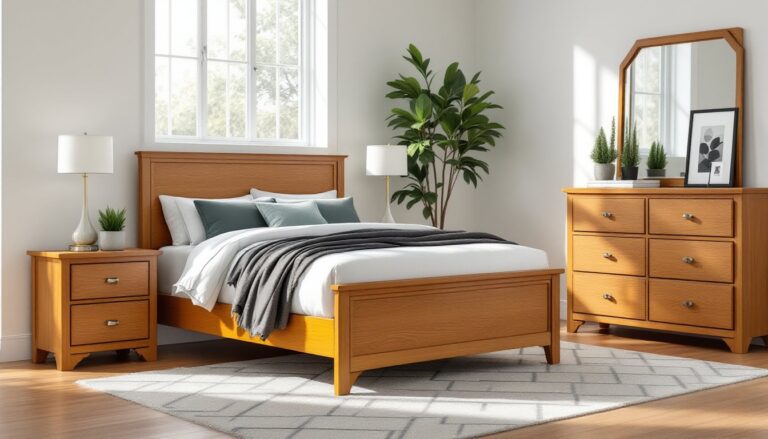
Homebuyers don’t just buy walls and a roof; they buy the feeling a space gives them. If a property helps them imagine their future—a family dinner in the dining room, laughter in the lounge, or coffee on the patio—they’re far more likely to make an offer. That’s why staging is such a powerful tool. By arranging furniture and décor in a way that feels welcoming and aspirational, sellers activate what psychologists call affective forecasting—the ability of people to imagine themselves in future emotional states. When buyers can feel what it’s like to live there, they act faster.
The Subtle Power of Scent, Sound, and Temperature
Our senses influence our emotions more than we realise. In fact, subtle sensory cues can trigger powerful psychological responses that speed up decision-making.
A faint hint of a pleasant scent—like fresh linen, baked bread, or clean citrus—can create feelings of warmth and familiarity. Studies show that scent is closely linked to memory, and a good smell can anchor positive associations with a space. Similarly, playing light background music during open homes can set the mood. Soft instrumental or acoustic tracks encourage relaxation and reduce stress, making buyers feel comfortable rather than rushed or pressured.
Temperature also matters. A slightly warm house on a cool day or a cool, airy room on a hot afternoon subconsciously signals “comfort.” The goal isn’t to manipulate buyers—it’s to create an environment where they can genuinely relax and picture themselves staying.
Decluttered Spaces Help Buyers Think Clearly
Clutter doesn’t just make a home look smaller—it actually affects how people think. Psychologists have found that clutter competes for a person’s attention, making it harder for them to process information and imagine possibilities.
When buyers walk into a room that feels clean, spacious, and well-organised, their minds can focus on the home itself rather than the objects in it. This mental clarity helps them visualise their own belongings in the space, a process known as mental simulation. The easier it is for someone to mentally move in, the faster they’ll be ready to make an offer.
Consider minimalist staging: remove personal photos, limit decorative items, and keep surfaces clear. It’s not about stripping the home of personality—it’s about giving buyers room to project their own stories onto it.
The Role of Colour Psychology

Colour affects mood, perception, and even perceived value. In home sales, choosing the right colours can quietly influence how buyers feel in each room.
Neutral tones—like soft whites, warm greys, and beige—create a sense of calm and allow light to reflect naturally, making rooms appear larger. These shades also appeal to a wider range of tastes, reducing any emotional friction buyers might feel toward bold or unconventional colours.
Accent colours can still play a role, though. A gentle blue in the bedroom can evoke tranquillity, while a touch of green in the living area can symbolise balance and renewal. Colour psychology isn’t about decoration—it’s about crafting an emotional journey through the home that feels inviting and harmonious.
The Scarcity and Urgency Effect
One of the most powerful psychological triggers in sales is scarcity. When people believe a desirable item might soon be unavailable, they act quickly to secure it. In real estate, creating a sense of urgency can accelerate decisions without resorting to high-pressure tactics.
For example, holding open homes for limited times, mentioning competing interest, or setting an offer deadline can activate a buyer’s fear of missing out (FOMO). This doesn’t mean being deceptive—it means presenting genuine interest in a way that communicates value. If multiple buyers are looking at your property, that social proof adds momentum. People are more inclined to trust their instincts when they see others doing the same.
Trust and Transparency Build Confidence
Buyers act faster when they trust the seller or agent. Transparency about the property’s condition, recent repairs, or upcoming costs fosters a sense of honesty. Humans are hardwired to avoid uncertainty, and open communication reduces perceived risk.
Providing detailed information packs, showcasing recent inspection reports, or being upfront about potential concerns actually works for you. It signals integrity and lowers emotional defences. Buyers who feel they’re being treated fairly are more likely to reciprocate with a fair offer—often faster than those left guessing.
Anchoring and Framing the Price
How you present your price matters as much as the number itself. Psychologists call this anchoring—the tendency to rely heavily on the first piece of information offered when making decisions.
For instance, if you set your price slightly higher than expected but justify it with clear reasoning (such as recent renovations or local demand), it anchors buyer expectations around that figure. When you later accept a slightly lower offer, buyers feel they’ve negotiated successfully—even though the price aligns with your target.
Framing also matters in how the property is marketed. Describing a house as “move-in ready” versus “needing minor updates” shifts perception drastically. People prefer to avoid potential hassle, even if it means paying more upfront for peace of mind.
Social Proof and Emotional Validation
No one likes feeling uncertain—especially when making a big financial decision. That’s why social proof, such as testimonials, neighbourhood popularity, or visible buyer activity, can significantly speed up sales.
If potential buyers see others showing interest or hear positive things about the area, their hesitation drops. Humans seek validation through the choices of others—it’s an evolutionary safety mechanism that says, “If others value this, it must be good.”
A busy open home, positive online reviews, or even neighbours expressing excitement about a new owner all add emotional credibility. The more validation buyers receive from external sources, the more confident they feel about making a quick decision.
The Final Emotional Push
At the end of the day, selling a home isn’t purely logical—it’s emotional. Buyers justify their decisions with data, but they make those decisions based on feeling. A fast sale happens when everything aligns: the home looks right, feels right, and inspires trust.
As a seller, your role is to remove mental barriers and amplify positive emotions. Every scent, colour, word, and interaction sends a signal that either accelerates or delays commitment. When you understand how the human mind works, you can create a selling environment that feels effortless for both sides.
Selling a home quickly isn’t luck—it’s psychology done right.