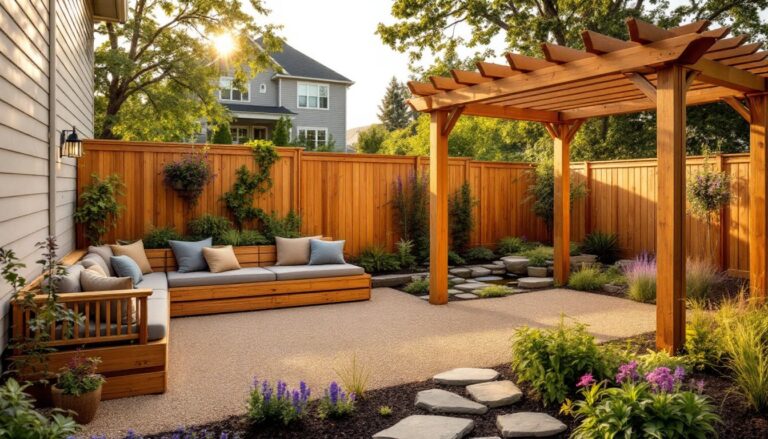
Omaha’s weather doesn’t mess around. Anyone who’s lived through a Nebraska summer followed by a freeze-thaw cycle winter knows that outdoor furniture takes a beating. The right patio furniture isn’t just about style, it’s about choosing materials and construction that can handle 90-degree heat, thunderstorms, ice, and everything in between without falling apart by year three. This guide walks through what works in Omaha’s climate, which styles hold up, and where locals can find quality pieces that won’t need replacing every other season.
Table of Contents
ToggleKey Takeaways
- Omaha’s extreme temperature swings (100°F+ annually) and humidity demand patio furniture built with rust-proof frames like aluminum or stainless steel and UV-resistant fabrics that won’t fade in one season.
- Choose aluminum frames with welded joints, resin wicker, or marine-grade cushion fabrics that drain quickly to survive Omaha’s freeze-thaw cycles and 30 inches of annual precipitation.
- Skip thin-gauge steel, untreated wood, and cheap polyester fabrics—these materials rust, rot, or fade within 1–2 seasons; invest upfront in quality patio furniture with 5–10 year frame warranties.
- Modular modern sets and powder-coated farmhouse styles work best with Omaha’s residential architecture while providing durability, with slatted designs that prevent water puddling.
- Local specialty retailers and Costco seasonal sales offer better material quality and warranties than generic big-box sets, though peak selection in April–May gives way to clearance deals in July–August.
Why Omaha’s Climate Demands the Right Patio Furniture
Omaha sits squarely in USDA hardiness zone 5b, which means summer highs regularly push into the 90s with humidity that makes everything feel hotter, while winter lows can drop below zero. That’s a 100-degree+ temperature swing across the year.
Add in spring storms with hail, UV exposure that fades cheap fabrics in one season, and freeze-thaw cycles that crack weak joints, and it’s clear: patio furniture here needs to be built differently than what works in coastal California or the desert Southwest.
Moisture is another factor. Omaha averages around 30 inches of precipitation annually, split between rain and snow. Furniture that traps water in joints or uses untreated wood will rot, rust, or warp. Even powder-coated metals can fail if the coating chips and moisture gets underneath.
Anyone shopping for outdoor furniture in Omaha should prioritize:
- UV-resistant fabrics and finishes that won’t fade or crack after one summer
- Rust-proof frames (aluminum, stainless steel, or quality resin)
- Weather-resistant joinery that won’t separate when temperatures fluctuate
- Quick-draining designs that don’t let water pool in seat cushions or frame cavities
Skip the $99 big-box sets made from thin-gauge steel with mystery coatings. They’ll look fine in May and be orange with rust by August. Spending more upfront on materials that match the climate saves money and frustration over time.
Top Patio Furniture Styles for Omaha Homes
Omaha’s residential landscape blends older brick bungalows, mid-century ranches, and newer builds in developments across Elkhorn, Papillion, and Millard. Patio furniture styles should complement the home’s architecture while standing up to use.
Modern and Minimalist Outdoor Sets
Clean lines, neutral tones, and low-profile seating define modern outdoor furniture. Think powder-coated aluminum frames in matte black or charcoal, paired with Sunbrella or solution-dyed acrylic cushions in gray, taupe, or navy.
Modular sectionals work well on larger concrete or paver patios common in newer Omaha construction. Homeowners can rearrange pieces for different gatherings, and most modular sets use rust-proof aluminum with welded joints that won’t loosen.
Look for pieces with marine-grade cushion foam that drains quickly after rain. Cheaper polyurethane foam holds water and grows mildew in Omaha’s humid summers.
Modern fire tables and conversation sets fit well with contemporary siding and large windows. Concrete composite or ceramic tabletops handle temperature swings better than glass, which can crack during sudden spring freezes.
Traditional and Farmhouse Patio Collections
For older homes in Dundee, Benson, or Aksarben, traditional patio furniture in all-weather wicker (actually resin woven over aluminum) or cast aluminum with ornate details pairs well with brick and wood trim.
Farmhouse-style dining sets made from powder-coated steel or aluminum often feature slatted tops that allow rain to drain and prevent puddling. Avoid real wood unless it’s teak or eucalyptus and the homeowner commits to annual sealing.
Rocking chairs and gliders in resin wicker or metal work on covered porches but need secure anchoring. Omaha storms can kick up 50+ mph winds, and lightweight furniture becomes a projectile.
Cushions in traditional styles often use florals or stripes. Stick with outdoor-rated fabrics (minimum 1,000-hour UV rating) or they’ll be bleached out by July. Store cushions indoors or in a deck box during winter, freeze-thaw cycles degrade even quality fabrics over time.
Best Materials for Omaha’s Four-Season Weather
Not all patio furniture materials perform equally in Nebraska. Here’s what holds up and what fails:
Aluminum: The gold standard for Omaha. Lightweight, rust-proof, and available in welded or powder-coated finishes. Welded aluminum frames don’t use bolts that loosen over time. Powder coating adds color and UV protection. Expect to pay more, but quality aluminum lasts 10+ years with minimal maintenance.
Resin Wicker (Synthetic Rattan): UV-stabilized HDPE (high-density polyethylene) resin woven over aluminum frames handles sun and rain without cracking. Cheaper PE or PVC wicker gets brittle in cold and cracks by the second winter. Check the weave density, tight, uniform weaves shed water better.
Steel: Can work if it’s hot-dip galvanized or powder-coated, but any chips in the coating expose bare metal to rust. Stainless steel (304 or 316 grade) resists corrosion better but costs significantly more. Avoid plain painted or thin powder-coated steel.
Teak and Hardwoods: Teak contains natural oils that resist rot and insects, making it one of the few woods suitable for Omaha without a cover. It weathers to a silver-gray patina unless treated annually with teak oil. Eucalyptus is a budget alternative but requires more maintenance. Skip pine, cedar, or acacia unless the furniture stays under a covered porch year-round.
Plastic Resin: Polywood or recycled HDPE lumber mimics wood but won’t rot, splinter, or require sealing. Heavy enough to resist wind but lighter than wood. Common in Adirondack chairs and dining sets. Doesn’t fade as fast as cheap resin furniture from discount stores.
Cushion Fabrics: Sunbrella (acrylic) and Outdura (solution-dyed) resist UV and mildew. Both have 1,000–2,000 hour UV ratings. Cheaper polyester cushions last one season before fading. Foam should be open-cell marine grade that drains and dries quickly.
Avoid:
- Untreated wood of any kind
- Thin-gauge painted steel (rusts through in 1–2 seasons)
- PVC wicker (cracks in cold)
- Non-outdoor fabrics (fade, mildew, tear)
When in doubt, ask for the material grade and warranty. Quality manufacturers back frames for 5–10 years and fabrics for 2–5 years.
Where to Buy Patio Furniture in Omaha
Omaha has a mix of big-box stores, regional chains, and local retailers. Each serves a different need.
Local Specialty Stores: Places like Mangelsen’s and regional outdoor living shops carry higher-end brands (Tropitone, Brown Jordan, Kingsley Bate) with better warranties and materials. Staff often know which pieces handle Nebraska weather. Expect to pay more, but delivery, assembly, and after-sale service are included. Good for homeowners investing in a full patio setup.
Big-Box Retailers: Home Depot, Lowe’s, Menards, and Nebraska Furniture Mart stock mid-range patio furniture from late March through July. Selection is hit-or-miss, some sets use quality aluminum and Sunbrella, others are thin steel with generic fabric. Read labels for material specs and warranties. Clearance sales in late August offer discounts, but popular styles sell out.
Online Retailers: Wayfair, Overstock, and Amazon provide huge selection and competitive pricing, but assembly is DIY and returns are a hassle with large items. Check shipping costs, bulky furniture often adds $100–$200. Read reviews specifically mentioning weather durability and rust issues.
Costco: Seasonal patio furniture (April–July) offers solid value. Sets often use better materials than equivalently priced big-box options. Limited selection, but what they carry tends to hold up. Membership required.
Secondhand and Outlet: Nebraska Furniture Mart Clearance Center and Habitat for Humanity ReStore occasionally have floor models or returns at steep discounts. Inspect carefully for rust, cracks, or frame damage. Skip anything with compromised powder coating or torn wicker.
Timing matters. Peak selection hits in April and May. By late June, popular colors and sizes are gone. Clearance starts in late July through August, with discounts up to 50%, but inventory is picked over.
Before buying, measure the patio space and bring dimensions to the store. Patio furniture looks smaller on a showroom floor than it does on a 10×12 concrete slab.
Conclusion
Omaha’s weather separates furniture that lasts from junk that needs replacing every few years. Stick with rust-proof frames, UV-resistant fabrics, and materials that drain rather than trap water. Whether shopping local for personalized service or hunting clearance deals at big-box stores, prioritizing climate-appropriate materials over price pays off long-term. A well-chosen patio set should handle at least five Nebraska seasons without major repairs.