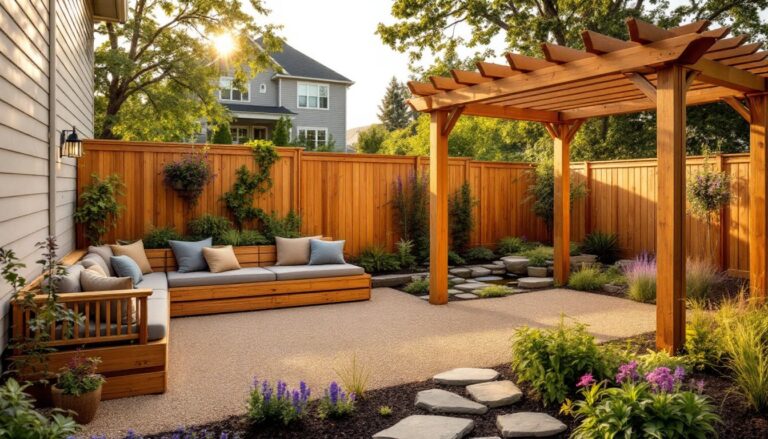
Florida’s climate offers year-round growing conditions, but it also delivers relentless heat, heavy rain, and sandy soil that can turn traditional landscaping into a weekly chore. Homeowners who want curb appeal without constant trimming, watering, and fertilizing are shifting toward native plants, smart groundcovers, and hardscaping features that thrive in the state’s subtropical zones. A well-planned low maintenance front yard doesn’t mean sacrificing beauty, it means working with Florida’s environment instead of fighting it. The right plant choices and design strategies reduce labor, lower water bills, and create a resilient landscape that looks good in every season.
Table of Contents
ToggleKey Takeaways
- Low maintenance front yard landscaping in Florida relies on native plants adapted to heat, humidity, and sandy soil rather than traditional turf that demands constant mowing, watering, and fertilizing.
- Replace high-maintenance lawns with drought-tolerant groundcovers like Sunshine Mimosa or Perennial Peanut to reduce mowing by 60–80% and cut water use by up to 50%.
- Native Florida plants such as Firebush, Muhly Grass, and Saw Palmetto require minimal intervention once established and thrive in full sun while supporting local ecosystems.
- Hardscaping features like permeable pavers, crushed shell pathways, and decorative rock mulch define spaces and reduce plant upkeep without sacrificing curb appeal.
- Install a drip irrigation system with a smart controller and rain sensor to automate watering efficiently while preventing overwatering, the most common mistake in Florida landscapes.
- Apply 3–4 inches of mulch around plants while keeping it away from stems, then replenish once or twice yearly to conserve moisture and suppress weeds in Florida’s fast-decomposing climate.
Why Florida Homeowners Are Choosing Low Maintenance Landscaping
Traditional lawns demand irrigation, mowing, edging, pest control, and frequent fertilization, all year. Florida’s water restrictions in many counties make high-demand turf impractical, and the state’s sandy, nutrient-poor soils don’t hold moisture well. Combine that with invasive pests like chinch bugs and fungal diseases encouraged by humidity, and conventional landscaping becomes a battle.
Native and adapted plants require far less intervention. They’ve evolved to handle Florida’s heat, occasional droughts, and storm surges. By reducing turf areas and incorporating hardscaping, homeowners cut mowing time by 60–80% and lower irrigation needs significantly. This approach also aligns with Florida-Friendly Landscaping™ principles promoted by the University of Florida IFAS Extension, which emphasize water conservation, pest resistance, and reduced chemical use.
Another factor: HOA compliance. Many communities now encourage or mandate Florida-Friendly designs. Low maintenance doesn’t mean neglected, it means strategic plant placement, mulched beds, and materials that age well without constant upkeep.
Best Drought-Tolerant Native Plants for Florida Front Yards
Choosing native species reduces watering, fertilizing, and pest problems. These plants are adapted to Florida’s USDA zones 8–11 and handle full sun, salt spray (in coastal areas), and poor drainage.
Coontie (Zamia integrifolia): A low-growing cycad with glossy, fern-like foliage. Stays under 2 feet tall, needs no irrigation once established, and tolerates shade or sun. It’s the only host plant for the atala butterfly, adding ecological value.
Firebush (Hamelia patens): Grows 4–8 feet tall with tubular red-orange flowers that attract hummingbirds. Blooms year-round in South Florida, dies back in North Florida winters but returns from roots. Requires minimal pruning.
Muhly Grass (Muhlenbergia capillaris): A 3-foot-tall ornamental grass that produces airy pink plumes in fall. Thrives in sandy soil, needs no fertilizer, and tolerates drought and occasional flooding. Plant in drifts for impact.
Blanket Flower (Gaillardia pulchella): A perennial groundcover with yellow-red daisy-like blooms. Handles heat, salt, and neglect. Self-seeds readily and fills gaps between larger plants.
Simpson’s Stopper (Myrcianthes fragrans): A 6–12-foot shrub or small tree with fragrant white flowers and orange berries. Dense foliage makes it ideal for hedges or privacy screens. Drought-tolerant and pest-free.
Saw Palmetto (Serenoa repens): A slow-growing palm that spreads 3–6 feet wide. Blue-green or silver varieties add texture. Once established, it needs zero maintenance beyond occasional pruning of dead fronds.
Group plants by water needs (hydrozoning) to avoid overwatering drought-tolerant species. Most natives need regular water for the first 6–12 months, then can survive on rainfall alone.
Smart Groundcover Options to Reduce Lawn Care
Replacing turf with groundcovers eliminates mowing and reduces water use by up to 50%. Florida-friendly groundcovers spread quickly, suppress weeds, and handle foot traffic better than St. Augustine or Bahia grass.
Sunshine Mimosa (Mimosa strigillosa): A spreading perennial with pink puffball flowers. Stays under 6 inches tall, fixes nitrogen in soil, and tolerates mowing if a neater look is desired. Thrives in full sun to part shade.
Perennial Peanut (Arachis glabrata): A legume groundcover that stays 4–6 inches tall and produces small yellow flowers. Needs no fertilizer, chokes out weeds, and tolerates moderate foot traffic. Requires full sun and well-drained soil.
Beach Sunflower (Helianthus debilis): Fast-spreading with bright yellow blooms. Works well in coastal yards with sandy soil. Can be mowed back once or twice a year to control spread.
Liriope (Liriope muscari): Technically not native, but widely adapted. Forms dense 12-inch clumps with purple flower spikes. Tolerates shade, drought, and neglect. Works well as an edging plant or mass planting.
For high-traffic areas near walkways, consider decomposed granite, pea gravel, or permeable pavers instead of living groundcover. These materials drain well and don’t compact like sand.
Hardscaping Elements That Minimize Upkeep
Hardscaping reduces plant maintenance and defines spaces. In Florida’s climate, choose materials that resist heat, moisture, and UV degradation.
Crushed Shell or Coral Rock Pathways: Natural materials that blend with coastal aesthetics. Crushed shell (often coquina) provides good drainage and light reflectivity, keeping surfaces cooler. Lay over landscape fabric to suppress weeds, with a depth of 2–3 inches.
Pavers or Flagstone: Concrete pavers or natural stone create clean edges and durable walkways. Set on a 2-inch crushed limestone base for stability. Polymeric sand between joints prevents weed growth and resists washout during storms.
Decorative Rock Mulch: River rock, lava rock, or gray granite chips last indefinitely and don’t need replacement like organic mulch. Use 2–4 inches over landscape fabric. Best suited for cacti, succulents, or areas where organic matter isn’t needed.
Retaining Walls or Raised Beds: Concrete blocks, natural stone, or pressure-treated timbers (ground-contact rated, .40 CCA or ACQ) create planting zones and improve drainage. Raised beds let homeowners control soil quality, which is critical in areas with pure sand or high pH.
Permeable Driveway Aprons or Borders: Grass pavers or permeable concrete reduce runoff and meet stormwater requirements in many Florida counties. They cut down on turf while maintaining a green appearance.
Avoid wood borders or edging unless using composite or rot-resistant materials, untreated wood degrades rapidly in Florida’s humidity.
Mulching Strategies for Florida’s Climate
Mulch conserves moisture, moderates soil temperature, suppresses weeds, and adds organic matter as it breaks down. Florida’s heat and rain decompose mulch faster than in northern climates, so depth and material choice matter.
Pine Bark Nuggets or Shredded Hardwood: Last 12–18 months in Florida conditions. Apply 3–4 inches deep around plants, keeping mulch 2–3 inches away from stems and trunks to prevent rot and pest issues. Nuggets resist washing out in heavy rain better than shredded varieties.
Cypress Mulch: Durable and attractive, but sourcing is controversial, ensure it’s from sustainably harvested or reclaimed wood. Lasts up to 2 years and resists termites naturally.
Eucalyptus Mulch: An imported option that’s become popular for its longevity (up to 24 months) and rich color. More expensive than pine, but requires less frequent replenishment.
Pine Straw (Pine Needles): Common in North and Central Florida. Lightweight, affordable, and easy to spread. Breaks down in 6–12 months, adding acid to soil, beneficial for azaleas and blueberries but less ideal for plants preferring neutral pH.
Avoid dyed mulch if you’re concerned about chemical leaching, though most modern dyes are considered safe. Also avoid piling mulch in “volcano” shapes around tree trunks, this traps moisture and invites fungal disease and bark rot.
Replenish mulch once or twice a year to maintain depth. In high-wind areas or on slopes, heavier nuggets or rock mulch prevent washout.
Irrigation Solutions for Effortless Watering
Even drought-tolerant plants need consistent water during establishment. The right irrigation system automates the process and prevents overwatering.
Drip Irrigation: The most efficient option. Delivers water directly to root zones with 90–95% efficiency (compared to 50–70% for spray heads). Use ½-inch polyethylene tubing with emitters spaced 12–18 inches apart for shrubs, closer for annuals. Install on a timer to water early morning, reducing evaporation and fungal growth.
Micro-Spray Emitters: Good for groundcovers or densely planted beds. Provide more coverage than drip lines but use slightly more water. Adjust spray radius to avoid pavement runoff.
Smart Controllers: Replace standard timers with Wi-Fi-enabled controllers that adjust watering based on rainfall, humidity, and evapotranspiration data. Many models qualify for rebates through local water utilities. Brands like Rachio or Hunter Hydrawise integrate with weather stations.
Rain Sensors: Required by law in Florida since 1991 for new irrigation installs. These inexpensive devices shut off systems when ½ inch or more of rain falls, preventing unnecessary watering.
Soaker Hoses: A budget-friendly option for small beds. Lay hoses in a serpentine pattern under mulch. They work best on flat terrain, Florida’s sandy soil can cause uneven distribution on slopes.
Water deeply but infrequently to encourage deep root growth. Newly planted natives need water 2–3 times per week for the first few months, then taper to weekly, then rainfall only. Overwatering is more common than underwatering in Florida landscapes.
Conclusion
A low maintenance front yard in Florida isn’t about doing less, it’s about choosing smarter. Native plants, strategic hardscaping, proper mulching, and efficient irrigation create a landscape that thrives with minimal intervention. Homeowners gain time, lower water bills, and a yard that looks good through hurricanes, droughts, and summer heat. Start by replacing high-maintenance turf with drought-tolerant groundcovers and natives, then layer in hardscaping and automated watering to lock in long-term curb appeal.