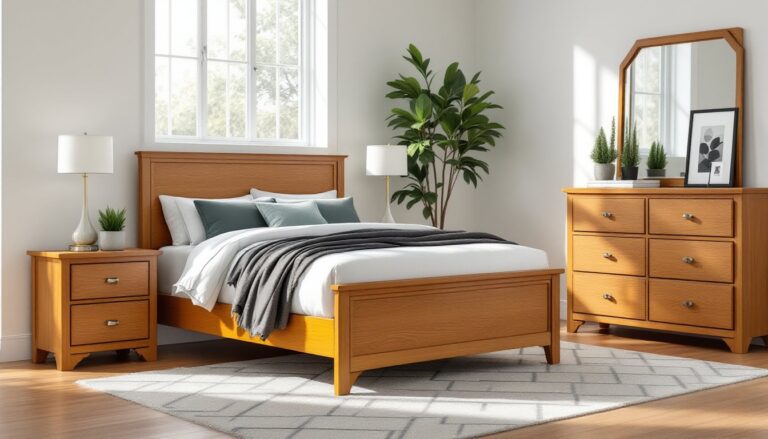
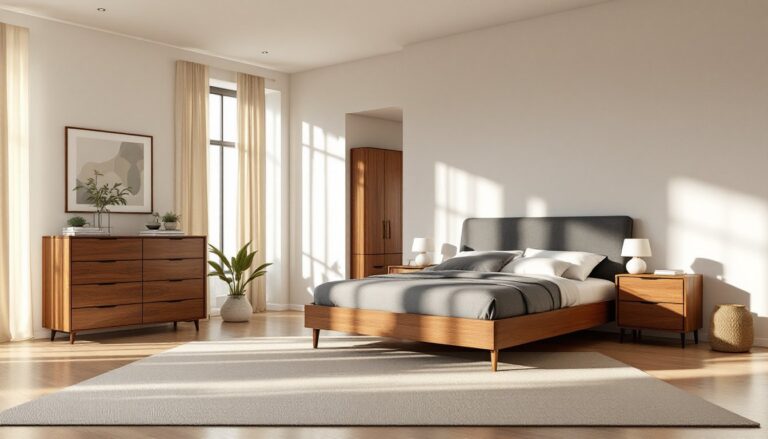
Light brown bedroom furniture offers the kind of versatility that lets homeowners shift decor styles without replacing major pieces. It’s warm enough to feel inviting, neutral enough to work with bold accent colors, and adaptable across everything from farmhouse to mid-century modern aesthetics. Unlike darker woods that can overpower a small room or white-washed pieces that show every scuff, light brown tones strike a practical middle ground. This guide walks through the styles, finishes, materials, and color schemes that make light brown furniture a reliable foundation for bedroom design, along with real-world tips for selecting and styling pieces that’ll last.
Table of Contents
ToggleKey Takeaways
- Light brown bedroom furniture works across multiple design styles—from farmhouse to mid-century modern—making it a versatile, trend-resistant choice for long-term bedroom design.
- Light brown tones reflect natural light effectively, making smaller rooms feel more open and spacious while hiding minor scratches better than darker or painted finishes.
- Choose cooler-toned light browns (ash, light walnut) for north-facing rooms and warmer tones (honey oak, maple) for south/west-facing spaces to ensure the shade complements your room’s lighting.
- Pair light brown furniture with complementary color palettes like navy and white for modern looks, or sage green and cream for warm, earthy aesthetics that enhance the wood’s natural appeal.
- Solid wood light brown bedroom furniture with dovetail joinery is durable and repairable, while high-quality veneered plywood offers stability and book-matched grain patterns at a lower price point.
- Layer lighting, anchor with neutral rugs, and break up large furniture pieces with varying heights and textures to maximize the visual appeal and functionality of light brown pieces.
Why Light Brown Bedroom Furniture Is a Timeless Choice
Light brown furniture holds up across design trends because it doesn’t commit to a single aesthetic. A honey oak dresser fits comfortably in a coastal bedroom with white linens, then transitions to a rustic space with plaid textiles and wrought iron accents. The wood grain remains visible without dominating the room’s color story.
From a practical standpoint, light brown hides minor scratches and dings better than painted finishes. Surface imperfections blend into the grain rather than standing out as chips or scuffs. For households with kids, pets, or frequent furniture rearrangement, this durability matters.
The tone also reflects natural light well, making smaller bedrooms feel more open. Dark furniture absorbs light and can make a 10×12 bedroom feel cramped, while light brown bounces ambient light around the space. Paired with the right wall color, it creates depth without visual weight.
Finally, resale value stays strong. Neutral wood tones appeal to a broad range of buyers, whereas bold painted furniture or ultra-dark stains limit the potential market. Light brown pieces retain functionality and aesthetic flexibility over decades.
Popular Styles and Finishes for Light Brown Bedroom Sets
Traditional and Transitional
Traditional light brown furniture often features raised panel detailing, curved edges, and hardware in antique brass or bronze. Oak and cherry are common, finished with a satin or semi-gloss polyurethane that emphasizes grain. Transitional pieces simplify the lines, flat-panel drawer fronts, minimal carving, while keeping the warm wood tone. These work well in homes with crown molding and neutral palettes.
Mid-Century Modern
Mid-century designs favor tapered legs, clean horizontal lines, and walnut or teak veneers in lighter finishes. The grain is often book-matched (mirrored across adjacent panels) for visual interest. Hardware is typically understated, recessed pulls or simple metal knobs. This style pairs well with low-profile platform beds and geometric textiles.
Farmhouse and Rustic
Farmhouse pieces lean on distressed finishes, planked surfaces, and visible knots. Reclaimed pine or fir, finished with a light stain and matte topcoat, delivers the lived-in look. Rustic doesn’t mean rough: joints should still be tight, and drawer slides should operate smoothly. X-bracing on bed frames and chunky turned legs are common design elements.
Scandinavian
Scandi furniture emphasizes pale ash, birch, or beech with minimal finish, often just a clear oil or water-based polyurethane. The aesthetic is light, airy, and functional. Drawer fronts are flush, legs are angled, and there’s little to no hardware. This style works best in rooms with plenty of natural light and monochromatic color schemes.
How to Choose the Right Shade of Light Brown
Light brown spans a wide spectrum, from pale ash with gray undertones to warm honey oak with red or orange hues. The right shade depends on the room’s natural light and existing finishes.
Cool-toned light browns (ash, light walnut with gray cast) pair well with north-facing rooms that receive indirect light. They prevent the space from feeling too yellow or orange. These tones also complement stainless steel hardware, cool gray walls, and white trim.
Warm-toned light browns (oak, pine, maple with amber stain) work best in south- or west-facing rooms with abundant natural light. The warmth balances cooler wall colors like pale blue or sage green. Warm browns also tie into brass or oil-rubbed bronze hardware.
Test samples in the actual bedroom before committing. Lighting shifts throughout the day, and a finish that looks perfect in a showroom under fluorescent lights may read too orange at sunset or too flat in morning light. Request finish samples or use return-friendly retailers.
Consider existing flooring. If the bedroom has red oak hardwood, a honey oak dresser will blend seamlessly. If it has gray laminate, a cooler ash tone prevents the furniture from clashing. Matching undertones creates a cohesive look without forcing an exact match.
Complementary Color Palettes and Decor Ideas
Light brown furniture acts as a neutral anchor, letting homeowners shift accent colors seasonally or as tastes evolve.
Warm Palettes
- Terracotta, rust, and cream: Lean into the furniture’s warmth. Use linen duvet covers in cream, terracotta throw pillows, and woven baskets.
- Sage green and mustard yellow: Earthy tones that feel grounded without going dark. Pair with plants and natural fiber rugs.
- Blush pink and soft coral: Adds a feminine touch without going overly sweet. Works especially well with honey oak.
Cool Palettes
- Navy, charcoal, and white: Crisp and modern. Navy accent walls make light brown furniture pop, while white bedding keeps the room bright.
- Soft gray and pale blue: Scandinavian-inspired. Use textured throws, ceramic lamps, and minimal decor.
- Black and white with greenery: High contrast. Black-framed art and white walls let the furniture’s grain stand out.
Metallics and Textures
Brass and copper hardware, light fixtures, and mirrors add warmth. Matte black accents create contrast without feeling heavy. Layering textures, linen, wool, jute, leather, adds depth to a neutral palette. A chunky knit throw or a sheepskin rug introduces softness against smooth wood surfaces.
Best Materials for Light Brown Bedroom Furniture
Solid Wood
Oak, maple, ash, and cherry are common hardwoods for bedroom furniture. Solid wood is repairable, scratches can be sanded and refinished. Look for dovetail or mortise-and-tenon joinery in drawers, which holds up better than stapled or glued joints. Solid wood furniture costs more upfront but lasts decades with basic care.
Veneered Plywood or MDF
High-quality plywood core with hardwood veneer offers stability at a lower price point. Veneer doesn’t warp as much as solid wood and allows for book-matched grain patterns. Avoid particleboard cores in high-use pieces like dressers: they sag and crumble if drawer slides are overtightened or the piece is moved frequently. MDF (medium-density fiberboard) with veneer works for bed frames and nightstands that don’t bear repeated stress.
Engineered Wood with Solid Accents
Many mid-range bedroom sets combine engineered wood panels (for case sides and drawer bottoms) with solid wood drawer fronts and legs. This keeps costs reasonable while maintaining a quality appearance. Check that drawer slides are metal (not plastic) and that the back panel is at least ¼-inch thick and screwed (not stapled) into place.
Reclaimed and Sustainable Options
Reclaimed barn wood or sustainably harvested timber appeals to eco-conscious buyers. FSC-certified (Forest Stewardship Council) lumber ensures responsible sourcing. Reclaimed wood often has character marks, nail holes, color variation, that add visual interest but may require extra prep if refinishing.
Styling Tips to Maximize Your Light Brown Furniture
Layer Lighting
Light brown furniture looks flat under a single overhead fixture. Add bedside table lamps with warm-temperature bulbs (2700K–3000K) and a floor lamp in a reading nook. Use dimmer switches to adjust ambiance. Accent lighting highlights wood grain and creates depth.
Break Up Large Expanses
A long dresser can feel monotonous. Top it with a framed mirror, a table lamp, and a small tray for jewelry or keys. Vary heights and textures, a tall ceramic vase next to a short stack of books. Avoid lining up objects in a rigid row.
Anchor with Rugs
A jute or wool area rug in a neutral tone grounds the furniture and defines the sleeping zone. If the room has carpet, a layered rug adds texture. Choose a size large enough that at least the front legs of the bed sit on it, typically 8×10 for a queen bed in a 12×14 room.
Balance with Contrast
Dark accent walls (charcoal, deep green, navy) make light brown furniture stand out. If painting the whole room feels too bold, try an accent wall behind the bed. Alternatively, use dark bedding or curtains for contrast without committing to permanent color.
Keep Hardware Consistent
Mismatched knobs and pulls look unfinished. If the furniture came with basic hardware, upgrading to matching brass, bronze, or matte black pulls across all pieces creates a cohesive look. Hardware is inexpensive and easy to swap, standard spacing is 3″ or 3.75″ for drawer pulls.
Mind the Scale
Oversized furniture overwhelms small bedrooms. A king bed and two seven-drawer dressers in a 10×12 room leave little walking space. Measure clearances: allow 36 inches minimum on either side of the bed for movement, and 30 inches in front of dressers for drawer operation.
Conclusion
Light brown bedroom furniture delivers long-term value through adaptability, durability, and broad aesthetic appeal. Choosing the right shade, pairing it with complementary colors, and sourcing quality materials ensures pieces that function well and look good for years. The styling flexibility means homeowners can refresh the room’s look with new textiles, paint, or accents without replacing major furniture, a practical advantage whether planning a quick update or a long-term investment.