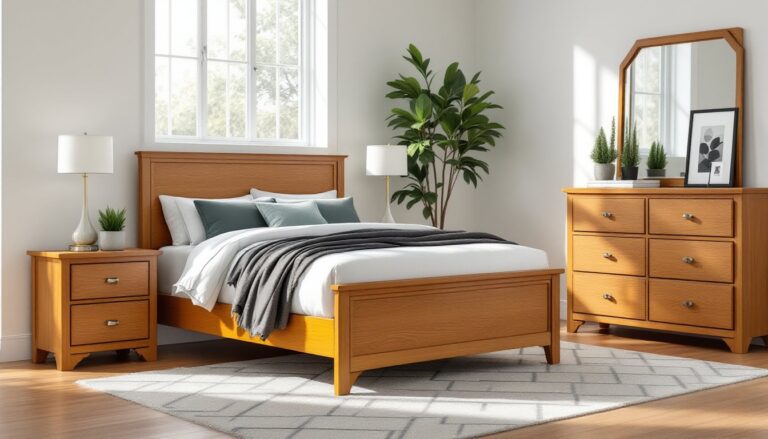
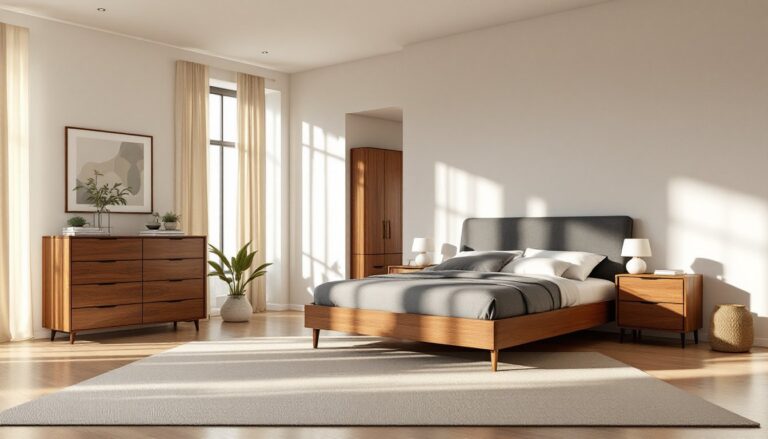
Outfitting a bedroom from scratch can feel overwhelming. Between measuring for bed frames, hunting down matching nightstands, and wondering if a dresser or chest makes more sense, the decisions pile up fast. A full bedroom furniture set takes the guesswork out of the equation by bundling essential pieces that work together visually and functionally. These sets aren’t just convenient, they’re designed to maximize space, maintain design consistency, and often save money compared to buying each piece individually. Whether furnishing a first apartment, upgrading a guest room, or refreshing a master suite, understanding what comes in a set and how to choose the right one makes the whole process smoother.
Table of Contents
ToggleKey Takeaways
- A full bedroom furniture set typically includes a bed frame, two nightstands, dresser, mirror, and chest of drawers, with options ranging from 3-piece budget sets to 7-piece premium collections.
- Purchasing a coordinated bedroom furniture set saves 10–20% compared to buying pieces separately while ensuring design consistency across wood tones, hardware, and construction styles.
- Measure your bedroom layout carefully before selecting a set—queen beds require at least 96 inches of wall space with nightstands, while king beds need 112 inches minimum clearance.
- Budget bedroom furniture sets ($800–$1,500) use particleboard and last 5–7 years, while mid-range ($1,500–$3,500) and premium ($3,500+) options offer superior materials, durability up to 20+ years, and better joinery construction.
- Choose a bedroom furniture set style that matches your long-term aesthetic preference—traditional solid wood, modern engineered materials, rustic reclaimed finishes, industrial metal accents, or upholstered designs all serve different lifestyle needs.
- Ensure proper room traffic flow and avoid blocking HVAC vents, windows, and doorways when positioning bedroom furniture to maintain functionality and comfort in daily routines.
What’s Included in a Full Bedroom Furniture Set?
A typical full bedroom furniture set includes the core pieces needed to furnish a functional sleeping space. Most sets contain:
- Bed frame (headboard, footboard, and side rails)
- Two nightstands (flanking the bed for symmetry)
- Dresser (usually six to nine drawers)
- Mirror (mounted or freestanding, often paired with the dresser)
- Chest of drawers (taller storage option, sometimes called a tallboy)
Some expanded sets add a bench or upholstered seating at the foot of the bed, though this is more common in premium collections. The mattress and box spring are typically sold separately, furniture sets focus on the case goods and frames, not the bedding itself.
Bed sizes vary, so buyers need to specify whether they’re purchasing for a twin, full, queen, or king bed. The frame dimensions change accordingly, but the accompanying furniture pieces (nightstands, dresser, chest) usually remain the same size across all configurations within a given set.
Not every set includes all five core pieces. Three-piece sets (bed, dresser, nightstand) and four-piece sets (bed, dresser, two nightstands) are common budget-friendly options. Five- to seven-piece sets offer the most complete room coverage.
Benefits of Buying a Complete Bedroom Furniture Set
Purchasing a coordinated set delivers several practical advantages beyond aesthetics.
Design consistency is the most obvious benefit. Matching wood tones, hardware finishes, and construction styles create a cohesive look without the trial-and-error of mixing individual pieces. Furniture manufacturers design sets with proportional balance in mind, nightstands pair naturally with the bed height, and drawer pulls match across all pieces.
Cost savings add up quickly. Retailers often discount bundled sets by 10–20% compared to buying each item separately. Shipping costs drop when everything arrives together, and assembly time consolidates into a single project day instead of multiple deliveries.
Simplified decision-making speeds up the process. Instead of cross-referencing dimensions, finish samples, and style compatibility across multiple products, buyers choose one set and move forward. This matters especially for those furnishing rental properties, staging homes for sale, or working under time pressure.
Space planning becomes easier when pieces are designed to work together. Manufacturers test sets in room mockups to ensure proportions make sense for typical bedroom sizes. A queen bed from a given collection won’t visually overwhelm the nightstands or make the dresser look undersized.
How to Choose the Right Bedroom Furniture Set for Your Space
Before committing to a set, measure the room and sketch a rough floor plan. Furniture looks smaller in showrooms and online photos than it does in a real bedroom.
Room Size and Layout Considerations
Start with the bed placement. Most bedrooms position the bed against the longest wall, with nightstands on either side. Measure the wall length and subtract 36 inches (3 feet) to allow for nightstands and walking space. That gives the maximum bed width that fits comfortably.
For a queen bed (60 inches wide), the wall needs at least 96 inches of clearance once nightstands are added. A king bed (76 inches wide) requires 112 inches minimum. Rooms smaller than 10×10 feet struggle to accommodate anything larger than a full-size bed without crowding.
Dresser placement depends on available wall space and door swing. Leave at least 30 inches of clearance in front of the dresser so drawers can open fully without hitting the bed frame or blocking the doorway. Tall chests work better in corners or along narrow walls where a wide dresser won’t fit.
Closet and window locations matter. Avoid blocking HVAC vents, electrical outlets, or window operation with bulky furniture. If the room has a single overhead light fixture, consider how furniture shadows will affect visibility, dressers near the doorway can create dark corners at night.
Traffic flow should allow clear pathways from the door to the bed, closet, and any adjoining bathroom. Cramped layouts make daily routines frustrating and increase the chance of stubbed toes or scraped furniture.
Popular Bedroom Furniture Set Styles and Materials
Bedroom sets fall into distinct style categories, each with material preferences that affect durability and price.
Traditional sets feature solid wood or wood veneers over engineered wood cores, often in cherry, oak, or walnut finishes. Expect raised panel detailing, crown molding on larger pieces, and ornate hardware. These sets last decades if properly maintained but come with higher price tags and heavier weights, plan on two people for assembly and moving.
Modern and contemporary sets lean toward clean lines, minimal hardware, and matte or high-gloss lacquer finishes. Materials include engineered wood (MDF or particleboard with laminate surfaces), metal accents, and sometimes upholstered headboards. Lighter construction makes them easier to move but less durable under heavy use.
Rustic and farmhouse styles use reclaimed wood, distressed finishes, or rough-hewn textures. Solid pine and acacia are common. Hardware tends toward wrought iron or antiqued bronze. These sets pair well with shiplap walls and vintage décor but show scratches and dents more readily, though that adds to the aesthetic for some buyers.
Industrial sets combine metal frames with wood tops or drawer fronts, often using pipe-style legs or rivet detailing. Storage pieces may include wire mesh inserts or exposed fasteners. Durable but visually busy, so they work best in larger rooms where the hardware doesn’t overwhelm.
Upholstered sets wrap the bed frame (and sometimes drawer fronts) in fabric or leather. Popular in modern and glam styles, these add softness but require regular vacuuming to prevent dust buildup. Not ideal for households with pets or kids prone to spills.
Budget-Friendly vs. Premium Bedroom Furniture Sets
Price differences reflect material quality, construction methods, and longevity.
Budget sets ($800–$1,500 for a five-piece queen set) typically use particleboard or MDF cores with laminate or thin veneer surfaces. Joinery relies on cam locks and dowels rather than dovetails. Drawer glides are basic side-mount metal or plastic tracks. These sets work fine for guest rooms, short-term rentals, or starter apartments where longevity isn’t the priority. Expect wear within 5–7 years of regular use.
Mid-range sets ($1,500–$3,500) upgrade to plywood or solid wood frames with quality veneers. Dovetail joints appear in dresser drawers, and full-extension ball-bearing glides make drawers easier to operate. Finishes resist scratches better, and hardware feels more substantial. These last 10–15 years with reasonable care.
Premium sets ($3,500+) use solid hardwood construction, hand-applied finishes, and felt-lined drawers. Dovetail joinery is standard, and some pieces feature soft-close drawer mechanisms. Dust panels separate drawer compartments to prevent contents from shifting. These sets can last 20+ years and often become heirloom pieces.
Shipping and assembly costs vary. Budget sets usually arrive flat-packed, requiring full assembly. Mid-range and premium pieces may come partially assembled, with professional white-glove delivery available (expect $200–$400 extra for that service).
Warranties offer clues about quality. Budget sets might include one year: premium manufacturers offer five years or more on frames and joinery.
Conclusion
A well-chosen bedroom furniture set simplifies the decorating process while delivering functional storage and visual cohesion. Measure the room carefully, match the style to long-term tastes, and choose materials that fit the use case and budget. Whether assembling a budget-friendly starter set or investing in solid wood heirlooms, the right furniture transforms a bedroom into a comfortable, organized retreat.