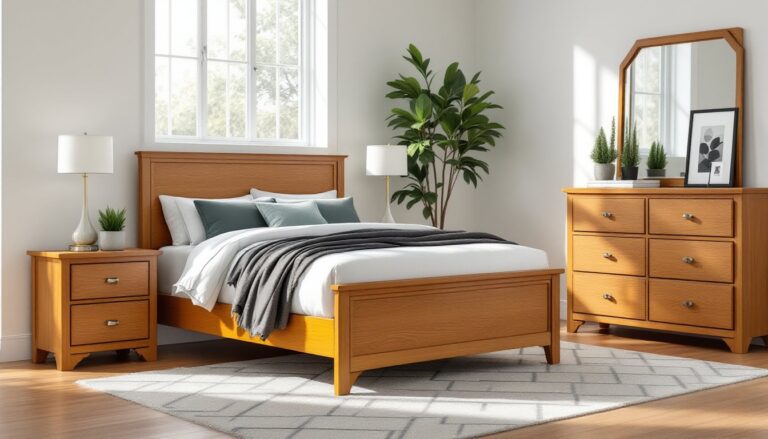
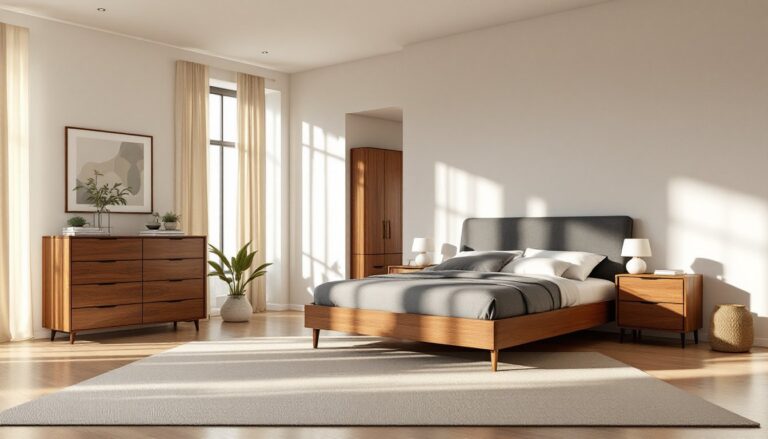
Cottage style bedroom furniture brings warmth, simplicity, and a hint of nostalgia to any sleeping space. Defined by natural materials, soft finishes, and unpretentious charm, this aesthetic works equally well in a vintage farmhouse or a modern suburban home. The style emphasizes comfort over formality, making it ideal for anyone who wants a bedroom that feels like a genuine retreat rather than a showroom. This guide covers the core furniture pieces, material choices, color schemes, and layout strategies that define cottage bedroom design, with practical advice for sourcing, refinishing, and arranging each element.
Table of Contents
ToggleKey Takeaways
- Cottage style bedroom furniture prioritizes natural materials, soft painted finishes, and weathered details that create warmth and comfort over formal sophistication.
- Essential cottage bedroom furniture pieces include low-profile beds with simple headboards, functional dressers with 6-9 drawers, and proportionate nightstands—all paired with period-appropriate hardware like porcelain knobs and brushed nickel pulls.
- Painted finishes in whites, creams, pale blues, and sage greens define the aesthetic, while distressing techniques and soft muted color palettes enhance the authentic, lived-in character of cottage spaces.
- Successful cottage bedroom furniture arrangement centers the bed on the longest wall, positions dressers perpendicular to the bed, and incorporates open shelving and area rugs to create spacious, inviting layouts.
- Refinishing secondhand cottage pieces requires proper surface preparation (sanding in stages), quality primers to prevent tannin bleed-through, and finishing touches like light distressing for authentic vintage appeal.
What Is Cottage Style Bedroom Furniture?
Cottage style draws from rural English, French, and American coastal traditions, blending vintage proportions with weathered or painted finishes. Unlike minimalist Scandinavian design, cottage furniture often features turned legs, beadboard panels, and hardware with a slightly aged patina. Unlike formal traditional furniture, it skips heavy carving and dark stains in favor of lighter woods or painted surfaces.
Key characteristics include:
- Natural wood species: Pine, oak, maple, and birch are common. Expect to see wood grain visible through thin stain or whitewash.
- Painted finishes: Soft white, cream, pale blue, or sage green dominate. Distressed edges and light sanding expose underlying wood for a lived-in look.
- Simple hardware: Porcelain knobs, brushed nickel pulls, or oil-rubbed bronze handles replace ornate brass.
- Proportions: Pieces tend to be scaled for comfort, not grandeur. A cottage dresser sits lower and wider than a tall Chippendale chest.
Authentic cottage pieces are often secondhand finds that have been refinished. New furniture marketed as cottage style mimics these features with factory distressing or faux-plank construction. Both approaches work: the priority is cohesive materials and finishes, not provenance.
Essential Cottage Bedroom Furniture Pieces
Beds and Headboards
A cottage-style bed frame typically features a slatted or paneled headboard, sometimes with a low footboard. Wood frames in white, cream, or natural pine are most common, but wrought iron or painted metal frames also fit the aesthetic if they have clean lines and minimal scrollwork.
Headboard options include:
- Plank headboards: Vertical or horizontal tongue-and-groove boards, often painted or whitewashed. These can be DIY projects using 1×6 or 1×8 pine boards mounted to a cleat attached to the wall.
- Spindle or slat designs: Evenly spaced vertical spindles in turned or square profiles, reminiscent of Windsor chairs.
- Upholstered panels: Linen or cotton fabric in neutral tones over a simple wood or MDF frame. Button tufting is rare: clean, flat upholstery is preferred.
Bed height matters. Cottage beds sit 18 to 24 inches from floor to mattress top, accommodating a standard box spring or platform base. Taller beds feel more formal: lower platforms lean modern. Match the footboard (if present) to the headboard material and finish for visual unity.
Dressers and Nightstands
Cottage dressers are functional workhorses. Look for six to nine drawers arranged in horizontal rows, built from solid wood or quality plywood with hardwood face frames. Dovetail joinery and full-extension drawer slides improve longevity, critical if refinishing a vintage piece. Painted finishes conceal mismatched wood species: natural finishes showcase grain.
Nightstands should match dresser height proportions. A cottage nightstand typically measures 24 to 28 inches tall, aligning with mattress height, and offers one or two drawers plus an open shelf. Avoid bulky enclosed cabinets: open lower shelves add airiness and storage for books or baskets.
Hardware replacement is one of the easiest upgrades. Swap outdated pulls for porcelain knobs (1.25 to 1.5 inches in diameter) or cup pulls in brushed nickel. Drill-center spacing on most dressers is either 3 or 4 inches: confirm measurements before ordering.
Choosing the Right Materials and Finishes
Solid wood remains the gold standard for cottage furniture. Pine and poplar are affordable and paint-friendly: oak and maple offer greater density and wear resistance. Engineered wood (MDF or particleboard) works for painted pieces if the face frame and legs are solid hardwood, check construction before purchasing.
When refinishing secondhand furniture, strip old finishes with a chemical stripper (wear gloves and a respirator with organic vapor cartridges) or a heat gun in well-ventilated areas. Sand in stages: 80-grit to remove residue, 120-grit for smoothing, and 220-grit before priming. Use a shellac-based primer to seal knots in pine and prevent tannin bleed-through.
For painted finishes, chalk paint is popular because it requires minimal prep and dries to a matte, velvety texture. Standard latex paint works equally well if properly primed. Apply two coats, lightly sand between with 220-grit, and finish with a water-based polyurethane or furniture wax. Distressing is optional: use 120-grit sandpaper on edges and high-contact areas after the final coat dries.
Stain and clear-coat finishes highlight wood grain. Test stain on scrap or an inconspicuous area first: pine absorbs unevenly without a wood conditioner. Apply a water-based or oil-based polyurethane in satin or semi-gloss (three coats minimum) for durability. Wipe-on poly is more forgiving for beginners.
Avoid ultra-glossy finishes or stark white that reads sterile. Cottage style thrives on subtle imperfection, slight color variation or visible brush strokes add character.
Color Palettes That Complement Cottage Furniture
Cottage bedrooms favor soft, muted palettes over saturated or high-contrast schemes. Walls, textiles, and accessories should support furniture rather than compete with it.
Classic combinations:
- Whites and creams: Off-white walls (try Benjamin Moore’s White Dove or Sherwin-Williams’ Alabaster) pair with white-painted furniture and linen bedding. Add warmth with natural wood floors or jute rugs.
- Pale blues and greens: Soft aqua, robin’s egg, or sage bring coastal or garden influence. Use these on walls or as accent colors in painted furniture.
- Warm neutrals: Beige, taupe, or greige walls balance natural wood furniture and layered textiles in cream, tan, or blush.
- Pastels with restraint: Pale pink, lavender, or buttercream work as accents (throw pillows, quilts) but can overwhelm if applied to walls or large furniture.
Accent colors should be desaturated. Instead of navy, use dusty slate blue: instead of forest green, choose moss or faded olive. Introduce pattern sparingly, ticking stripes, small florals, or gingham in bedding or window treatments.
Wood tones matter. Cool-toned gray or white furniture pairs well with cool wall colors: warm honey or amber-stained wood looks better with cream and warm neutrals. Test paint samples on poster board and view them at different times of day before committing.
How to Arrange Cottage Bedroom Furniture for Maximum Charm
Cottage rooms feel best when furniture placement encourages easy movement and highlights architectural features, windows, alcoves, or sloped ceilings.
Start with the bed. Center it on the longest wall, ideally opposite the door. If the room has a fireplace or large window, orient the bed to face it. Leave 24 to 36 inches of clearance on each side for nightstand access and movement. In smaller rooms, push the bed against one wall to free up floor space.
Nightstands should sit within arm’s reach. Match heights if possible, but slight variation (1 to 2 inches) won’t disrupt symmetry. If space is tight, wall-mounted shelves or a single nightstand on the dominant side (the side the occupant exits the bed) work fine.
Dressers belong on walls perpendicular to the bed, not directly facing it, which can feel confrontational. If the room includes a closet, position the dresser nearby to create a dedicated dressing zone. Top the dresser with a mirror (framed in wood or painted to match) at eye level, around 60 to 65 inches from the floor to the mirror’s center.
Add seating if space permits: a small upholstered bench at the foot of the bed, a vintage wooden chair near a window, or a wicker rocker in a corner. Seating should feel inviting, not obligatory, skip it if it creates congestion.
Rugs anchor the layout. A 5×8 or 6×9 area rug works in most bedrooms: place it so the front legs of the bed rest on the rug and nightstands sit just off the edge. Jute, sisal, or low-pile cotton rugs in natural tones suit cottage interiors better than plush synthetics.
Lighting completes the arrangement. Pair table lamps on nightstands, choosing bases in ceramic, painted wood, or clear glass. Aim for 40 to 60 watts (or LED equivalent) for reading. Overhead lighting should be soft, consider a flush-mount fixture in white or brushed metal, or add a dimmer switch (a straightforward DIY swap if the existing switch box has a neutral wire).
Avoid overcrowding. Cottage style celebrates breathing room. If a piece doesn’t serve a clear function or bring visual joy, leave it out.