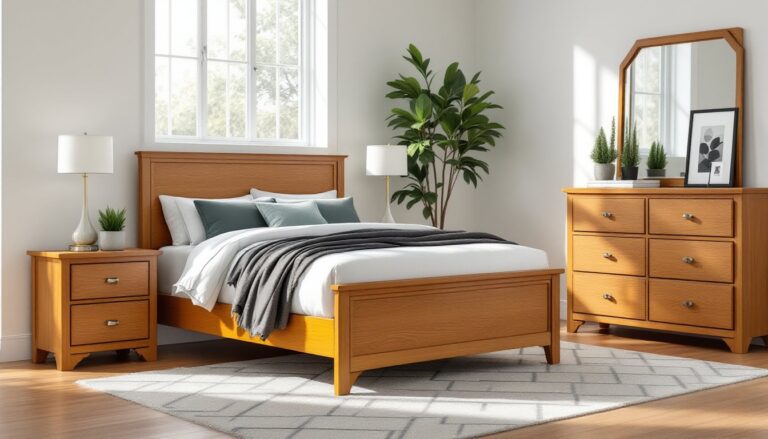
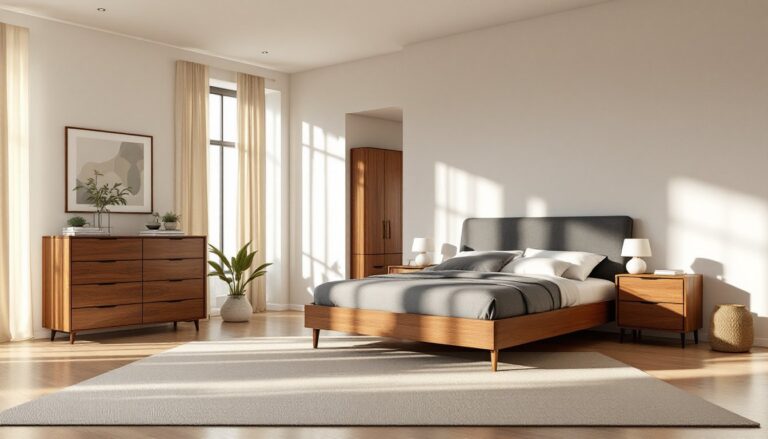
Contemporary bedroom furniture sets offer a clean, functional approach to bedroom design that’s both timeless and on-trend in 2026. Unlike traditional styles that lean heavily on ornamentation or mid-century modern pieces rooted in specific decades, contemporary furniture emphasizes current aesthetics, sleek lines, neutral palettes, and practical storage solutions. For homeowners looking to update their primary suite or a guest bedroom, these sets provide a cohesive foundation without the guesswork of mixing individual pieces. This guide breaks down what makes contemporary furniture distinct, which materials and configurations work best, and how to select a set that fits both the space and the lifestyle.
Table of Contents
ToggleKey Takeaways
- Contemporary bedroom furniture sets emphasize sleek lines, neutral palettes, and practical storage over ornamental details, making them a timeless foundation for any bedroom design.
- Platform beds with low profiles (12–18 inches) and built-in storage drawers are hallmark features of contemporary sets that maximize functionality in smaller spaces.
- Quality materials matter: solid wood or high-quality veneer with soft-close drawer glides offer durability, while laminates provide budget-friendly alternatives suitable for humid climates.
- Proper measurements of doorways, wall space, and delivery clearances are essential before purchasing contemporary bedroom furniture to avoid costly fit issues.
- Entry-level contemporary sets start around $800–$1,200, while mid-range solid wood options range from $1,800–$3,500, depending on materials and retailer.
- Styling contemporary bedrooms with solid-color bedding, minimalist lighting, low-pile rugs, and intentional accessories completes the streamlined aesthetic while maintaining visual restraint.
What Defines Contemporary Bedroom Furniture?
Contemporary furniture reflects current design trends rather than a fixed historical period. It borrows elements from modernism, geometric shapes, uncluttered surfaces, functionality, but adapts them to today’s materials and manufacturing techniques.
Key characteristics include horizontal lines, neutral or monochromatic color schemes, and an emphasis on function over decoration. Where traditional furniture might feature carved details or turned legs, contemporary pieces rely on contrasting textures, mixed materials (wood with metal or glass), and asymmetrical balance for visual interest.
This style evolved from late 20th-century minimalism but isn’t as rigid. Contemporary sets in 2026 might incorporate warm wood tones alongside cool grays, or add upholstered headboards for softness. The defining trait is simplicity: every element serves a purpose, and excess is edited out.
For DIYers planning a bedroom refresh, understanding this distinction helps when shopping. A set labeled “contemporary” should feel current and uncluttered, not tied to a specific decade like Art Deco or Shaker styles. If a piece has ornate molding or heavy traditional hardware, it’s not contemporary, even if it’s new.
Key Elements of a Contemporary Bedroom Set
A typical contemporary bedroom set includes a bed frame, dresser, and one or two nightstands. Some configurations add a chest of drawers or a media console. The pieces share consistent materials, finishes, and hardware to create a unified look.
Platform Beds and Low-Profile Frames
Platform beds dominate contemporary sets. These frames feature a solid or slatted base that supports a mattress directly, eliminating the need for a box spring. The low profile, often 12 to 18 inches from floor to mattress top, creates a grounded, streamlined appearance.
Many contemporary platforms incorporate built-in storage drawers underneath, a practical feature for smaller bedrooms or homes without walk-in closets. Drawers typically run on full-extension ball-bearing slides for smooth operation and durability. Check the weight capacity if storing heavier items like extra bedding or out-of-season clothing.
Headboards in contemporary sets range from simple flat panels to upholstered designs in linen, faux leather, or velvet. Upholstery adds texture and softens the room acoustically, helpful in spaces with hardwood or tile flooring. Floating or wall-mounted headboards are another option, creating the illusion of more floor space.
Frame construction matters. Solid wood or engineered wood with veneer provides stability: metal frames (often powder-coated steel) offer industrial edge. Avoid particleboard cores on anything supporting weight, they sag over time, especially in humid climates.
Minimalist Dressers and Storage Solutions
Contemporary dressers prioritize clean front panels with recessed or integrated hardware. Handleless designs with push-to-open mechanisms are popular, though some sets use slim metal bar pulls or edge pulls for a geometric accent.
Standard dresser dimensions run 60 to 72 inches wide for a double dresser, 30 to 36 inches tall, and 18 to 20 inches deep. Drawer interiors should have dovetail or dowel joinery, a sign of quality construction. Cheap sets use stapled corners that loosen after a year or two.
Look for soft-close drawer glides. They prevent slamming, reduce wear on the joints, and keep the piece quiet, important if the bedroom shares a wall with a nursery or home office. Soft-close hardware adds $50 to $150 to a set’s cost but extends the furniture’s lifespan.
Nightstands in contemporary sets typically offer one or two drawers, sometimes with an open shelf. Heights should align with the top of the mattress (usually 24 to 28 inches) for ergonomic access to a phone, lamp, or glass of water. Floating nightstands mounted to the wall save floor space and simplify cleaning underneath.
Popular Materials and Finishes in Contemporary Furniture
Material choice defines a contemporary set’s durability, maintenance needs, and price point. Common options include solid wood, veneers, laminates, and metal.
Solid wood, oak, walnut, maple, or ash, offers longevity and can be refinished. Contemporary sets often showcase the natural grain with matte or satin clear coats rather than heavy stains. Walnut’s dark, chocolatey tone contrasts well with light walls and linens. Oak provides a lighter, neutral base.
Wood veneer over engineered wood (MDF or plywood core) is the most common mid-range option. High-quality veneer looks nearly identical to solid wood at a fraction of the cost. Check the edge banding, cheap veneer peels at corners and drawer fronts. Solid wood edging or thick PVC banding holds up better.
Laminates (melamine or thermofoil) are budget-friendly and easy to clean but can’t be refinished. They work well for rental properties or kids’ rooms where the furniture will be replaced in a few years. Laminates resist moisture better than real wood, making them suitable for humid climates.
Metal accents, brushed nickel legs, matte black frames, or stainless steel insets, add industrial contrast. Powder-coated finishes resist chipping better than paint. If metal components will bear weight (bed frame legs, dresser bases), ensure they’re welded, not just bolted.
Finishes trend toward matte and satin rather than high gloss. Matte surfaces hide fingerprints and dust better, a practical advantage in real-world bedrooms. Popular colors in 2026 include warm grays, charcoal, white oak, and black-brown walnut tones. Two-tone sets, pairing a light wood body with dark drawer fronts or metal legs, add visual interest without clutter.
Choosing the Right Contemporary Bedroom Set for Your Space
Measure the bedroom before shopping. Wall-to-wall dimensions, ceiling height, door swing clearance, and window placement all affect furniture fit.
Leave at least 30 inches of walking space on each side of the bed and at the foot. This allows comfortable movement and bedmaking. If the room is narrow, consider a queen platform instead of a king, or opt for a bed without large side rails that extend beyond the mattress footprint.
Dresser placement depends on wall length and outlet access. If the dresser will hold a TV or lamp, confirm an outlet is within reach, most power cords run 6 feet or less. Wall-mounting the TV instead frees up dresser surface area.
For small bedrooms (10 by 12 feet or less), prioritize multi-functional pieces: a bed with storage drawers, a nightstand with two drawers instead of one, or a tall chest instead of a wide dresser. Vertical storage maximizes square footage.
Account for door and stairwell dimensions during delivery. A king headboard can measure 80 inches wide: a dresser might be 72 inches. Measure doorways, hallway widths, and any tight turns. Many contemporary sets ship in flat-pack boxes for easier transport, but fully assembled solid wood pieces may not fit through a 30-inch doorway.
Match the set’s visual weight to the room size. Dark, heavy frames can overwhelm a small space with low ceilings. Light wood tones and metal legs create an airier feel. In larger rooms, a substantial upholstered headboard or chunky wood frame anchors the space without floating awkwardly.
Budget wisely. Entry-level contemporary sets (laminate or veneer) start around $800 to $1,200 for a queen bed, dresser, and two nightstands. Mid-range solid wood or high-quality veneer sets run $1,800 to $3,500. Custom or designer pieces exceed $5,000. Prices vary by region, retailer, and current lumber costs.
Styling Tips for a Cohesive Contemporary Bedroom
Contemporary furniture’s neutral foundation allows flexibility in bedding, lighting, and accessories. Keep the approach intentional, each element should contribute to the room’s function or aesthetic.
Bedding works best in solid colors or subtle textures rather than bold patterns. Layer a duvet in linen or cotton over crisp white sheets, then add a textured throw in wool or waffle-weave cotton at the foot of the bed. Stick to two or three coordinating colors max.
Lighting serves multiple purposes. A pair of matching table lamps on nightstands provides task lighting for reading. Choose lamps with simple geometric bases, ceramic, metal, or wood, and neutral shades. Pendant lights flanking the bed (mounted to the wall or hung from the ceiling) free up nightstand space and add a modern touch. Ensure pendants hang 18 to 24 inches above the nightstand surface to avoid head bumps.
Area rugs define the sleep zone and soften hard flooring. In contemporary rooms, opt for low-pile rugs in solid tones, geometric patterns, or natural fibers like jute or sisal. Size the rug so it extends 24 to 36 inches beyond the sides and foot of the bed, or place smaller rugs on each side as landing pads.
Wall art can be minimal, one large piece above the headboard or a small gallery wall, but keep frames simple. Black, white, or natural wood frames complement contemporary furniture better than ornate gilding. Avoid overcrowding: negative space is part of the style.
Window treatments should be functional and unobtrusive. Roller shades, cellular shades, or simple linen drapes in neutral tones maintain the clean look. Skip heavy valances or layers of patterned fabric.
Keep surfaces clear. One or two curated objects, a small plant, a ceramic vase, a sculptural object, add personality without clutter. Contemporary design relies on restraint: if a surface feels crowded, remove an item.
Contemporary bedroom furniture sets deliver a streamlined, functional foundation that adapts to changing tastes and needs. By understanding the core elements, platform beds, minimalist storage, quality materials, and intentional styling, homeowners can create a bedroom that feels current, comfortable, and built to last.