Bluu patio furniture has carved out a niche in the outdoor living market by blending affordability with modern design and weather-resistant construction. For homeowners looking to upgrade decks, patios, or poolsides without very costly, Bluu offers a range of collections that balance durability with style. Unlike cheap big-box sets that fade and crack after one season or premium brands that demand thousands per piece, Bluu targets the mid-range buyer who wants quality materials and clean lines at accessible prices. This guide walks through what sets Bluu apart, how to select the right pieces for specific outdoor spaces, and how to keep them looking sharp for years.
Table of Contents
ToggleKey Takeaways
- Bluu patio furniture offers mid-range pricing with aluminum construction and solution-dyed fabrics that resist UV fading better than budget big-box alternatives, delivering two to three additional seasons of durability.
- The brand features three modular collections—Bluu Coast for deep lounging, Bluu Urban for small spaces, and Bluu Haven for poolside—allowing homeowners to select furniture tailored to their outdoor space size and style.
- Bluu patio furniture requires minimal maintenance beyond monthly cushion vacuuming and weekly frame wiping; storing cushions indoors during harsh winters and using breathable tarps extends longevity significantly.
- Solution-dyed acrylic cushions and stainless-steel hardware eliminate common failure points like rust stains and rapid fading, making Bluu a practical choice for five- to ten-year ownership without premium-brand pricing.
- Smart purchasing during end-of-season sales (August–October) can reduce Bluu patio furniture costs by 20–40%, and comparing shipping fees across retailers like Home Depot, Amazon, and Wayfair prevents hidden delivery charges from eroding savings.
What Makes Bluu Patio Furniture Stand Out?
Bluu differentiates itself through modular design systems that let homeowners configure seating layouts to fit irregular or evolving outdoor spaces. Most collections use a combination of powder-coated aluminum frames and solution-dyed acrylic fabrics, both of which resist UV degradation better than untreated steel or polyester.
The brand emphasizes no-tool assembly for many pieces, using snap-fit brackets and pre-drilled mounting points. This matters for DIYers who don’t want to spend half a day deciphering hardware bags. Frames typically carry a two-year warranty against structural failure, while cushions are covered for one year against fading and mildew, standard for mid-tier outdoor furniture.
Bluu also leans into neutral, contemporary palettes, charcoal, sand, navy, and rust, that pair well with a range of home exteriors, from modern stucco to traditional lap siding. The aesthetic skews minimalist, avoiding the ornate scrollwork of wrought iron or the rustic bulk of log-style furniture. For homeowners updating a dated patio on a budget, Bluu provides a clean visual reset without requiring a full hardscape overhaul.
Bluu Patio Furniture Collections and Styles
Bluu organizes its lineup into three primary collections:
- Bluu Coast: Deep-seating sectionals with low-profile frames (seat height around 16 inches) and thick cushions. Best for lounging. Frames are welded aluminum with a matte powder coat. Cushions use high-resilience polyurethane foam wrapped in solution-dyed acrylic (think Sunbrella-adjacent performance).
- Bluu Urban: Compact bistro sets, stacking chairs, and slatted-top tables. Designed for balconies and small patios. Chairs fold flat for winter storage. Frames use the same aluminum construction but with tighter dimensions, tables typically 30 to 36 inches in diameter.
- Bluu Haven: Daybeds, chaise lounges, and canopy pieces. These lean heavily into poolside and resort styling, with adjustable backrests and weather-resistant cushions that drain water instead of absorbing it.
All collections avoid particle board, MDF, or chipboard in structural components, common culprits in furniture that warps after a single rainy season. Table surfaces are either tempered glass with polished edges or powder-coated aluminum slats that allow water runoff.
Material Quality and Weather Resistance
Frames are constructed from 6063-grade aluminum alloy, which offers better corrosion resistance than mild steel and won’t rust through even in coastal or high-humidity climates. Welds are ground smooth and powder-coated in a two-stage process: an electrostatically applied base coat followed by a thermal cure at around 400°F. This creates a durable finish that resists chipping better than spray paint.
Cushions use solution-dyed acrylic fabric (often marketed under trade names like Sunbrella or similar generics), where color is added during the fiber extrusion process rather than applied as a surface treatment. This means UV exposure fades the material much more slowly, expect three to five years of direct sun before noticeable color shift, versus one season for standard outdoor polyester.
Foam cores are open-cell polyurethane wrapped in polyester batting and a moisture barrier. Water drains through rather than pooling, reducing mildew risk. That said, cushions should still be stored during extended wet periods or winter in freeze-thaw climates to maximize lifespan.
Hardware, bolts, brackets, and connectors, is stainless steel (typically 304-grade), not zinc-plated mild steel. Stainless won’t corrode or leave rust stains on decking, a common issue with cheaper furniture.
Choosing the Right Bluu Furniture for Your Space
Start by measuring the usable footprint of the patio or deck, accounting for door swing clearance, grill placement, and walking paths. A common mistake is buying a sectional that fits when pushed into a corner but blocks access to a sliding door or storage box.
For small spaces (balconies, 8×10 patios), the Bluu Urban collection works best. Stackable or folding chairs store off-season without eating garage space. A 30-inch bistro table seats two comfortably without overwhelming the area.
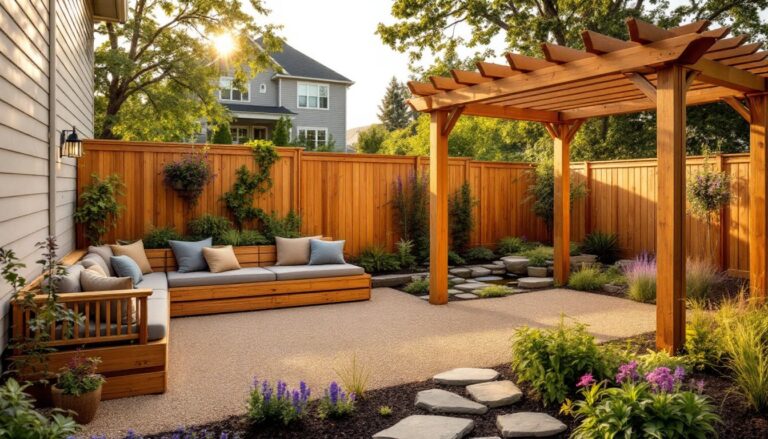
Mid-sized patios (10×12 to 12×16 feet) can handle a four-piece sectional from the Coast line or a dining set with six chairs. Consider a modular setup: two corner seats, two armless middle sections, and an ottoman that doubles as a coffee table. This configuration adapts if the homeowner later adds a pergola or fire pit.
Large outdoor rooms (16×20 feet or more) allow for layered zones: a conversation area with deep seating, a separate dining table, and accent pieces like a chaise or daybed. Bluu’s Haven collection fills this niche.
Substrate matters. On wood decks, furniture legs won’t damage properly sealed surfaces, but use felt pads or rubber caps to prevent scratching if pieces get dragged during cleaning. On concrete patios, aluminum frames won’t rust or stain, but cushions should still be elevated slightly (most Bluu pieces have legs 4 to 6 inches high) to promote airflow and prevent mildew on the underside.
For poolside placement, choose pieces from the Haven line with drainage holes in seat pans and quick-dry foam. Avoid glass-top tables near pools, tempered glass is tough, but a dropped weight or impact can still shatter it.
Price Range and Value Comparison
As of early 2026, Bluu pricing falls into these ranges:
- Bistro sets (two chairs, one table): $200–$350
- Four-piece sectionals: $800–$1,200
- Six-seat dining sets: $700–$1,000
- Daybeds and chaises: $400–$650
These figures assume online pricing with standard shipping. Regional freight costs can add $50–$150 for larger items.
Value context: Big-box retailers often sell patio sets in the same price range, but many use powder-coated steel (heavier, prone to rust at weld points) or resin wicker over steel frames (wicker cracks in UV exposure: steel corrodes if the coating chips). Bluu’s all-aluminum construction and solution-dyed fabrics typically outlast these alternatives by two to three seasons.
Premium brands (Polywood, Brown Jordan, Gloster) offer longer warranties and higher-grade materials but command two to four times Bluu’s prices. For a homeowner planning to stay in a house for five to ten years, Bluu hits a practical middle ground, durable enough to justify the investment, but not so costly that moving or remodeling feels wasteful.
Watch for end-of-season sales (late August through October in most regions) when retailers clear inventory. Discounts of 20–40% are common, though color and configuration selection narrows.
Care and Maintenance Tips for Longevity
Routine cleaning: Wipe frames weekly with a damp microfiber cloth to remove pollen, dust, and bird droppings before they bake onto powder coating in the sun. For stubborn grime, use a solution of mild dish soap and warm water, avoid ammonia-based cleaners or abrasive pads, which can dull or scratch the finish.
Cushion care: Vacuum cushions monthly to remove dirt that grinds into fabric fibers. For spills, blot immediately with a clean towel and rinse with cool water. Most solution-dyed fabrics resist staining, but oils (sunscreen, food grease) can penetrate if left untreated. A mix of one tablespoon dish soap per gallon of water works for spot cleaning. Let cushions air-dry completely before reassembling, don’t stack them wet, or mildew will develop in the foam core.
Off-season storage: In freeze-thaw climates or areas with heavy winter rain, store cushions indoors in a dry, ventilated space. Frames can stay outside year-round, but covering them with a breathable, UV-resistant tarp (not plastic sheeting, which traps condensation) prevents grime buildup and extends powder coat life. Secure tarps with bungee cords, not rope, which can abrade the finish.
Hardware check: Twice a year, inspect all bolts and connectors. Aluminum frames won’t rust, but vibrations from wind or use can loosen fasteners. Tighten with a 5mm Allen wrench or adjustable wrench, most Bluu pieces use standard metric hardware.
UV protection: Even high-quality fabrics fade over time. Positioning furniture under a pergola, awning, or large umbrella extends cushion life. If full shade isn’t an option, rotate cushions every few months so wear and fading stay even.
Avoid: Pressure washing (it can strip powder coating), leaving cushions submerged in standing water (foam cores will degrade), and dragging furniture across rough surfaces (scratches expose bare aluminum to oxidation, though it won’t rust).
Where to Buy Bluu Patio Furniture
Bluu sells primarily through online retailers and select home improvement stores. As of 2026, availability includes:
- Direct from Bluu’s website: Full catalog, occasional exclusive colorways, and bundled discounts on multi-piece orders. Shipping typically runs $50–$150 depending on item size and delivery zone.
- Amazon: Fast shipping for Prime members, but selection may be limited to top-selling items. Read reviews carefully, some third-party sellers list knock-offs or older models under similar names.
- Home Depot and Lowe’s: Seasonal in-store displays (March through August in most regions), with the full line available for online order and store pickup. This avoids residential freight charges for large items.
- Wayfair and Overstock: Competitive pricing during sales events, though return policies on assembled furniture can be restrictive. Confirm that the seller is authorized to avoid warranty issues.
Buying tips: Compare shipping costs across platforms, a lower sticker price can disappear if freight adds $100. Check return windows before ordering, especially for sectionals: a piece that looks right online may feel too deep or too firm in person. If buying in-store, inspect weld quality and powder coat consistency, uneven texture or visible pinholes suggest a manufacturing defect.