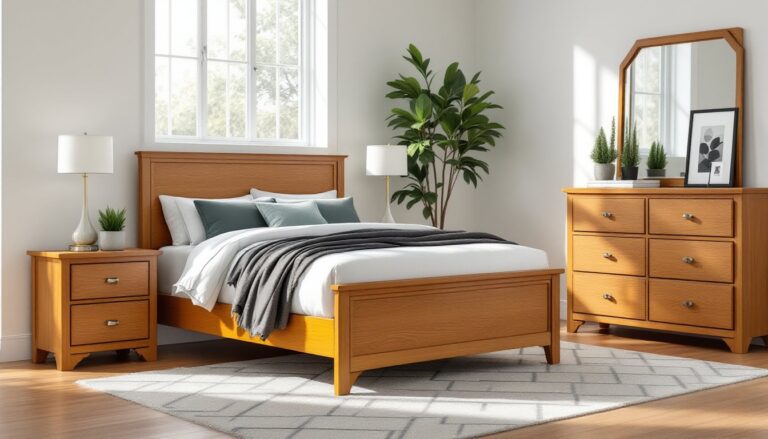
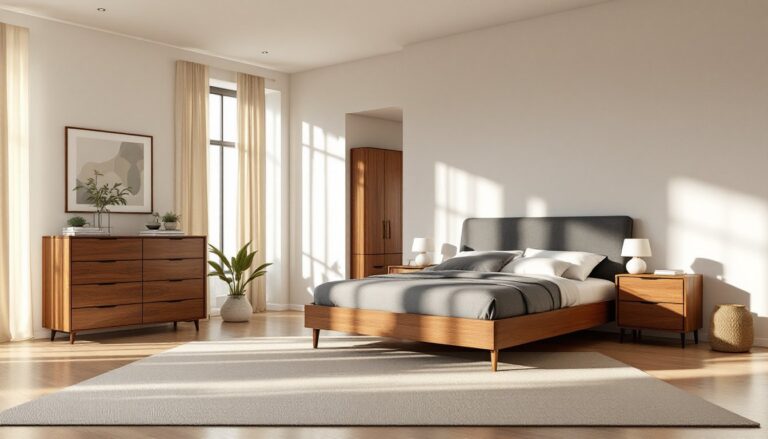
Luxury bedroom furniture isn’t just about price tags, it’s about craftsmanship, materials, and design details that turn a basic sleeping space into a personal sanctuary. High-end pieces feature dovetail joinery instead of staples, solid hardwood frames instead of particleboard, and finishes that develop character over decades instead of chipping after a year. For homeowners ready to invest in quality, understanding what separates true luxury from marketing hype makes all the difference. This guide breaks down the materials, construction methods, and design choices that define bedroom furniture worth the investment.
Table of Contents
ToggleKey Takeaways
- True luxury bedroom furniture is defined by superior construction quality, including dovetail joinery, solid hardwood frames, and hand-applied finishes that outperform budget alternatives.
- Quality hardware, proper proportions, and thoughtful design details—like soft-close drawer slides rated for 75–100 pounds and headboards extending 36–60 inches above the mattress—distinguish investment-worthy pieces.
- Premium materials such as solid hardwoods (walnut, white oak, cherry), high-quality veneers over Baltic birch plywood, and substantial metal accents ensure durability and resale value.
- Japandi and transitional styles dominate luxury bedroom trends in 2026, emphasizing organic modernism with natural materials, clean lines, and functional simplicity over maximalist approaches.
- Inspect joinery in person, verify kiln-dried wood moisture content (6–8%), test drawer capacity, and prioritize professional white-glove delivery and installation to protect your luxury bedroom furniture investment.
- Avoid impulse sales purchases; luxury furniture rarely discounts significantly, and deep discounts often signal overpricing or quality concerns rather than genuine bargains.
What Defines Luxury Bedroom Furniture?
Luxury bedroom furniture separates itself through three core factors: construction quality, material selection, and design longevity. The difference shows up in details most shoppers never check.
Joinery methods reveal quality instantly. Luxury case goods use dovetail or mortise-and-tenon joints with glue and sometimes wooden pegs. Budget furniture relies on dowels, cam locks, or straight butt joints reinforced with staples. Pull out a dresser drawer, if the sides interlock with visible dovetails (those triangular fingers), the piece was built to last. If the bottom sits in a groove rather than being stapled to the underside, that’s another mark of quality.
Finish work matters as much as the frame. High-end furniture gets hand-sanded through multiple grits (often up to 220-grit or finer), then finished with catalyzed varnish, lacquer, or oil-rubbed treatments that penetrate the wood. Cheaper pieces get a vinyl wrap or single-coat spray finish that photographs well but chips easily.
Hardware tells the story, too. Luxury dressers use full-extension ball-bearing drawer slides rated for 75–100 pounds, not the side-mounted friction slides that bind after a few years. Door hinges should be concealed European-style with soft-close dampers, and pulls should feel substantial, solid brass or stainless, not plated zinc alloy.
Finally, luxury furniture shows proportion and scale awareness. A well-designed nightstand stands 24–28 inches tall to align with standard mattress heights (mattress top plus box spring typically totals 25 inches). Dressers have drawers deep enough for folded items without overstuffing, and beds feature headboards scaled to room ceiling height.
Essential Luxury Bedroom Furniture Pieces
Statement Beds and Headboards
The bed anchors the room, and luxury options go far beyond a basic frame. Upholstered beds with deep-tufted headboards, nailhead trim, and kiln-dried hardwood frames offer both comfort and visual weight. Look for frames built from solid poplar, maple, or oak, not plywood with veneer. The upholstery should use at least 2-inch high-density foam (2.0 lb/ft³ or higher) over the padding to resist sagging.
Platform beds in walnut, teak, or white oak showcase wood grain and eliminate the need for a box spring. Quality platform beds use slat systems spaced no more than 3 inches apart to support memory foam or latex mattresses without voiding warranties. Floating platform designs require steel or engineered wood reinforcement in the side rails to cantilever the mattress weight safely.
Headboards deserve separate consideration. A luxury headboard should extend 36–60 inches above the mattress top depending on ceiling height. For standard 8-foot ceilings, aim for 48–52 inches total headboard height. Wall-mounted headboards need blocking installed between studs (typically 2×6 or 2×8 boards) to handle the weight and provide secure anchoring points. Never rely on drywall anchors alone for anything over 30 pounds.
Premium Nightstands and Dressers
Nightstand selection matters more than most realize. A luxury nightstand should be 24–27 inches tall, placing the surface within easy reach from a sitting position on the bed. It should offer a drawer with full-extension slides and a lower shelf for books or baskets. Width typically runs 20–28 inches to fit a lamp, phone, and book without crowding.
Three-drawer nightstands provide better storage than single-drawer models and balance visually with taller beds. Soft-close drawer mechanisms aren’t just a nice feature, they protect the joinery from repeated slamming and make late-night access quieter.
Dressers in the luxury category feature solid wood drawer boxes (not drawer fronts mounted to particleboard) with plywood or solid wood bottoms set into grouted channels. A quality 6-drawer dresser should accommodate 36–40 inches of hanging space when drawer depth allows for folded items. Drawer interiors should be sanded and sealed to prevent snags on clothing.
Look for dust panels between drawers, thin plywood sheets that separate each drawer cavity. This old-school detail keeps contents cleaner and adds rigidity to the cabinet. Budget dressers skip this entirely.
Materials That Elevate Bedroom Furniture to Luxury Status
Material choice defines durability and resale value. Here’s what separates premium from pretender:
Solid hardwoods, walnut, cherry, white oak, maple, and mahogany, remain the gold standard. These species offer tight grain, natural resistance to dents, and the ability to be refinished multiple times. Walnut brings rich brown tones with dark grain striping. White oak provides durability with a lighter, modern aesthetic. Cherry darkens beautifully with age, developing a deep reddish patina.
Veneers aren’t automatically bad. High-quality book-matched veneer over solid wood or premium plywood substrates allows intricate grain patterns impossible with solid boards. The substrate matters: Baltic birch plywood (13-ply minimum) or ApplePly resists warping better than standard plywood. Avoid furniture with veneer over MDF or particleboard unless it’s clearly marketed as budget-friendly.
Upholstery fabrics range widely. Linen offers breathability and a relaxed texture but wrinkles easily. Velvet adds depth and luxury but shows wear in high-contact areas. Performance fabrics (like Crypton or Sunbrella) provide stain resistance without sacrificing appearance, ideal for homes with pets. Top-grain leather ages gracefully, developing a patina that enhances character. Bonded leather, on the other hand, is leather scraps glued to a fabric backing: it peels within a few years.
Metal accents, solid brass drawer pulls, stainless steel legs, or iron bed frames, should feel heavy in the hand. Living finishes (unlacquered brass or oiled bronze) develop patina over time. Powder-coated steel offers durability for bed frames, especially platform designs.
Stone and glass tops appear on luxury dressers and nightstands. Marble adds elegance but requires sealing every 6–12 months to prevent staining. Quartzite offers marble’s look with better durability. Tempered glass withstands impacts better than standard glass but still shows fingerprints, plan for regular cleaning.
Design Styles for Luxury Bedrooms in 2026
Luxury bedroom design in 2026 leans toward organic modernism, blending natural materials with clean lines and functional simplicity. This isn’t cold minimalism, it’s warmth through restraint.
Japandi style (Japanese minimalism meets Scandinavian functionality) dominates high-end projects. Think low-profile platform beds in white oak or walnut, with wabi-sabi finishes that celebrate natural imperfections. Nightstands feature floating designs or tapered legs, and drawer fronts use finger pulls instead of hardware. Color palettes stay neutral: warm whites, soft grays, and natural wood tones.
Maximalist traditional holds strong for those who want richness and detail. Four-poster beds in mahogany or cherry, hand-carved details, and tufted upholstery in jewel tones define this approach. It requires commitment, mixing this style with modern elements rarely works. Dressers should feature bun feet or bracket feet, inset panels, and antiqued brass hardware.
Transitional luxury splits the difference, pairing upholstered headboards with streamlined case goods. A linen-wrapped bed might sit alongside a walnut dresser with simple brass pulls. This style forgives mixing wood tones and fabric textures, making it easier to assemble over time.
Industrial luxury sounds contradictory but works when executed with quality materials. Steel bed frames with blackened or brushed finishes, paired with reclaimed wood nightstands and concrete-topped dressers, create an urban loft feel. The key is craftsmanship, welded steel frames with smooth joints, not bolted angle iron.
How to Select Luxury Bedroom Furniture That Lasts
Buying luxury furniture requires more diligence than ordering online and hoping for the best. Follow these steps to avoid expensive mistakes:
Inspect joinery in person whenever possible. Wiggle drawers, open doors, and check for gaps or misalignment. Drawers should glide smoothly and stop gently with soft-close mechanisms engaged. Dovetail joints should fit tightly with no glue squeeze-out visible.
Ask about wood moisture content. Properly kiln-dried hardwood sits at 6–8% moisture content for interior furniture. Wood dried too quickly or inadequately will warp or crack after delivery. Reputable makers provide this spec.
Verify finish details. Hand-rubbed oil finishes require annual maintenance but allow easy spot repairs. Catalyzed lacquer offers durability with less upkeep. Avoid pieces that won’t specify their finish, it’s often a single-coat spray job.
Test drawer weight capacity if specs aren’t listed. A luxury dresser drawer should handle 75 pounds minimum. Cheap slides fail at 50 pounds or less, which barely covers a full load of folded jeans and sweats.
Measure your space carefully, accounting for door swing and drawer extension. A 6-drawer dresser needs 18–20 inches of clearance in front for drawers to open fully. Beds require 24–36 inches of walkway on each side for making the bed and accessing nightstands comfortably.
Consider professional delivery and assembly. Luxury furniture ships fully assembled or requires skilled setup. A $4,000 bed with a poorly installed frame voids warranties and risks damage. White-glove delivery (typically $150–$400) includes placement, assembly, and packaging removal.
Review warranty terms. Quality makers offer 5–10 year warranties covering joinery, frame integrity, and mechanisms. Upholstery typically gets 1–3 years. Lifetime warranties sound great but often exclude normal wear, limiting practical value.
Finally, avoid impulse purchases during sales. Luxury furniture rarely goes on clearance unless it’s being discontinued. Deep discounts (40%+ off) usually mean the piece was overpriced initially or has quality issues. Patience pays off, buy what fits your space and style perfectly rather than settling for what’s on sale.