Living in a small apartment doesn’t mean sacrificing comfort or style. The right furniture can transform a cramped 500-square-foot studio into a functional, livable home. Apartment sized furniture is specifically designed with reduced dimensions, typically 10-20% smaller than standard pieces, without compromising essential function. This isn’t about decorative trinkets or折叠 chairs that collapse when someone sits down. It’s about properly scaled sofas, beds, and tables built for real use in tight quarters. Understanding how to select and arrange these pieces can add usable square footage without knocking down walls or signing a new lease.
Table of Contents
ToggleKey Takeaways
- Apartment sized furniture is deliberately scaled 10-20% smaller than standard pieces, allowing proper function in small spaces without sacrificing comfort or creating a cramped feel.
- Accurate measurements of doorways, hallways, and room dimensions are essential before purchasing—a sofa that fits the room must also fit through the building’s entryways and up the stairs.
- Prioritize multi-function pieces like storage ottomans, extendable tables, and sleeper sofas to maximize utility in every square foot of your apartment.
- Furniture with exposed legs, thin arms, and lighter materials creates a visual sense of more space while maintaining durability and load capacity.
- Floating furniture away from walls and using vertical storage strategically amplifies the feeling of openness and improves functionality in studio and small apartment layouts.
What Is Apartment Sized Furniture and Why Does It Matter?
Apartment sized furniture refers to pieces manufactured with deliberately reduced footprints to fit smaller living spaces. A standard sofa typically measures 84-96 inches long, while an apartment sofa runs 68-80 inches. That 16-inch difference can determine whether a resident has room to walk behind the couch or needs to shuffle sideways past the armrest.
The distinctions go beyond length. Apartment fridges max out at 24 inches deep versus the standard 30-36 inches, reclaiming nearly a foot of kitchen floor space. Apartment washers and dryers fit 24-inch-wide spaces instead of requiring the standard 27-30 inches. Dining tables, dressers, and desks follow similar scaling principles.
This matters because poor furniture scaling creates functional problems. Oversized pieces block traffic flow, prevent doors from opening fully, and make rooms feel claustrophobic. They also waste money, a $1,200 sectional that doesn’t fit through the door or overwhelms the room is a $1,200 mistake. Also, many urban apartment buildings have narrow stairwells, tight elevator dimensions, and building entrance restrictions that make moving standard furniture difficult or impossible.
Proper scaling improves both aesthetics and function. Rooms appear larger when furniture maintains appropriate negative space, typically 30-36 inches for major walkways and 18 inches for secondary paths. This isn’t about going minimalist: it’s about choosing pieces that serve their purpose without dominating the floor plan.
Essential Apartment Sized Furniture Pieces for Every Room
Living Room Essentials
The living room requires the most careful furniture selection since it typically serves multiple functions, seating, entertainment, dining, and sometimes sleeping.
Sofas and loveseats: An apartment sofa (68-76 inches) fits most living rooms while still seating three adults comfortably. Loveseats (52-64 inches) work better in studio layouts or when paired with accent chairs. Look for models with exposed legs rather than skirted bases, the visible floor underneath creates a visual sense of more space. Avoid bulky rolled arms: track arms or English arms reduce overall width by 4-6 inches per side.
Coffee tables: Standard coffee tables measure 48 inches long, but apartment versions run 36-42 inches. Maintain 14-18 inches between the table edge and sofa for leg clearance. Nesting tables or lift-top designs add functionality without permanent footprint commitment. Glass tops or open-frame designs minimize visual weight.
TV stands: Wall-mounting a TV eliminates the need for a stand entirely, but for renters who can’t install brackets, apartment media consoles (42-50 inches wide) accommodate up to 55-inch screens while leaving space for traffic flow. Units with open shelving feel less blocky than closed cabinets.
Accent chairs: Instead of a second sofa, pair the main seating with one or two lightweight accent chairs (26-30 inches wide). Choose armless slipper chairs or versions with thin arms. Chairs on casters or with low weight can be moved easily when the layout needs to shift for guests or activities.
Bedroom Solutions
Bedrooms in small apartments often pull double duty as home offices or dressing areas, making efficient furniture choices critical.
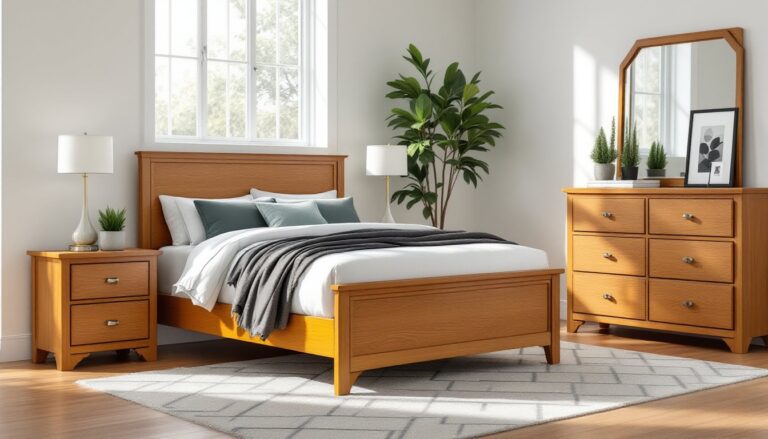
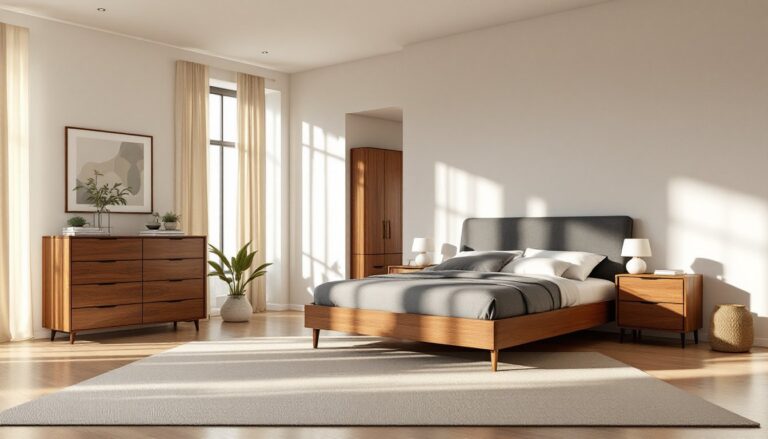
Beds: Full-size beds (54×75 inches) fit most bedrooms more appropriately than queens (60×80 inches), and that six-inch width difference matters when trying to fit nightstands or walk around the bed. For very tight spaces, consider Murphy beds or daybed configurations that function as seating during the day. Platform beds with built-in storage drawers eliminate the need for separate dressers. Maintain at least 24 inches of clearance on the side you’ll use to get in and out of bed: the wall side can be tighter.
Dressers and nightstands: Standard dressers run 60-70 inches wide: apartment versions measure 48-54 inches but maintain similar drawer capacity through slightly deeper dimensions (18-20 inches versus standard 16-18 inches). Tall dressers (5-6 drawers vertical) work better than long, low dressers in tight bedrooms, they use vertical space without consuming floor area. Nightstands shouldn’t exceed 24 inches wide: floating wall-mounted shelves work even better for phone and alarm clock storage.
Wardrobes: In apartments with inadequate closet space, a wardrobe armoire (36-48 inches wide) provides hanging and shelf storage without built-in installation. Choose units with mirrored doors to avoid needing a separate standing mirror.
How to Choose the Right Apartment Sized Furniture
Selecting appropriate furniture requires more than checking dimensions on a product page. Start by mapping the floor plan accurately. Measure the room length and width, then mark door swings, window locations, radiators, outlets, and any architectural features like columns or alcoves. Graph paper (¼-inch scale) or free digital tools make this easier. Cut out scale furniture templates to test arrangements before buying anything.
Measure doorways, stairwells, and elevators. A sofa might fit perfectly in the living room but won’t help if it can’t make the turn from the hallway. Measure door openings (most are 32-36 inches), hallway widths, and stairwell turns. Many furniture pieces have legs that remove, but the main body dimensions matter most. Retailers often list “carton dimensions” or “smallest entry required”, use those numbers.
Prioritize multi-function pieces. Storage ottomans serve as coffee tables, extra seating, and blanket storage. Extendable dining tables seat two daily but accommodate six when needed. Sleeper sofas turn living rooms into guest rooms. In apartments where every square foot counts, furniture that serves 2-3 purposes justifies its footprint better than single-use pieces.
Check actual dimensions, not descriptions. A manufacturer’s “apartment sofa” might still measure 82 inches if their standard line runs 96 inches. Always verify specific measurements rather than trusting category labels. Pay attention to depth as well, a 76-inch sofa with 40-inch depth takes up more space than an 80-inch sofa with 32-inch depth, depending on room configuration.
Consider visual weight. Dark, heavy upholstery and solid wood pieces feel more massive than lighter fabrics and mixed materials. Metal frames, acrylic elements, and lighter wood tones (oak, maple, birch) maintain an airy feel. This doesn’t mean avoiding bold colors, but a navy velvet sofa with chunky cushions will make a room feel smaller than a navy sofa with tailored lines and thin track arms.
Test load-bearing and quality. Smaller doesn’t mean flimsier. Check weight ratings on chairs and sofas (most should support 250+ pounds per seat). Sit on pieces, open drawers, test mechanisms. Engineered wood (plywood, MDF) is fine for case goods like dressers but solid wood or metal frames last longer for seating. Scrutinize joints, dovetail or mortise-and-tenon joints outlast stapled or glued connections.
Smart Design Strategies to Make Your Space Feel Larger
Furniture selection is just one part of maximizing small spaces. Strategic placement and design tricks amplify the effect.
Float furniture away from walls. Counter-intuitively, pulling a sofa 6-12 inches from the wall creates visual depth and defines separate zones in open layouts. This works especially well in studio apartments where creating a “living room” area distinct from the “bedroom” area improves functionality.
Use vertical space aggressively. Tall bookcases, wall-mounted shelves, and stacked storage draw the eye upward and take advantage of often-wasted space above eye level. In rooms with 8-foot ceilings, shelving or cabinets that reach within 12 inches of the ceiling maximize capacity. Just keep a step stool handy for access.
Maintain clear sightlines. Arrange furniture so doorways and windows remain visible from main seating areas. Blocked sightlines make rooms feel closed-in. Use lower-profile pieces (under 36 inches tall) near windows to preserve natural light flow.
Create zones with rugs, not walls. A 5×7-foot or 6×9-foot area rug anchors a seating area in a studio apartment without building barriers. The rug defines the space visually while keeping the layout flexible. Make sure front furniture legs rest on the rug, floating all furniture around a too-small rug shrinks the room visually.
Edit ruthlessly. Not every piece needs a match. A bedroom doesn’t require nightstands on both sides if one side is against a wall. A dining table for daily use by one or two people doesn’t need four permanent chairs, stackable or folding extras can live in a closet until needed. Empty space is a design feature in small apartments, not a problem to solve.
Conclusion
Apartment living doesn’t require settling for discomfort or cramped quarters. Properly scaled furniture, thoughtful selection criteria, and smart spatial strategies make small spaces livable and functional. Measure carefully, prioritize multi-function pieces, and remember that the right 70-inch sofa will always outperform the wrong 90-inch model. Small spaces reward planning, start with accurate measurements and a clear floor plan, and the furniture choices become straightforward.