Backyard corners often become forgotten zones, awkward triangles where the mower can’t quite reach and weeds claim territory. But these neglected spaces hold serious potential. With the right landscaping approach, a bare corner transforms into a cozy retreat, a vertical garden showcase, or a functional utility zone that actually improves yard flow. The key is working with the corner’s natural advantages: defined boundaries, often partial shade, and a built-in backdrop that makes design easier than open-lawn projects. This guide walks through practical, budget-conscious ideas that turn those dead zones into purposeful features.
Table of Contents
ToggleKey Takeaways
- Backyard corner landscaping ideas transform neglected spaces into functional features by leveraging natural boundaries, partial shade, and built-in backdrops that cost less than open-lawn projects.
- Vertical gardens maximize limited corner space by using fence height through trellis systems or modular pocket planters, yielding up to 72 square feet of planting surface on a 6-foot fence.
- Layer plants in three depth zones—tall backdrop shrubs (5–8 feet), mid-height perennials (2–4 feet), and low groundcovers (under 12 inches)—to create visual interest and prevent flat, single-row landscaping.
- Water features in corners amplify sound and attract pollinators; pondless designs (20–40 gallons) offer safer, lower-maintenance alternatives to traditional ponds for households with young children.
- Corner sheds and storage use existing fence lines as two walls, reducing material costs and improving yard workflow, though structures over 120 square feet typically require permits and setback compliance.
- Address drainage and grading before installing any features; corners naturally concentrate runoff, making them ideal for rain gardens or French drains that prevent erosion while supporting moisture-loving plants.
Why Backyard Corners Deserve Your Attention
Corners create natural focal points without additional hardscaping. Two fence lines or property boundaries already frame the space, eliminating the need for costly borders or edging materials.
From a practical standpoint, corners solve drainage issues. Many yards slope toward corners, making them ideal for rain gardens or French drains that handle runoff naturally. Installing a gravel bed with a perforated drain pipe along the property line can prevent erosion while supporting moisture-loving plants like Carex sedges or Lobelia cardinalis.
Corners also offer microclimates. Afternoon shade from two fence sides lets homeowners grow hostas, ferns, or astilbes in otherwise sunny yards. Conversely, south-facing corners trap heat, perfect for extending the growing season for tomatoes or peppers in containers.
Zoning codes rarely affect corner landscaping unless it involves structures over 120 square feet or alters drainage onto neighboring properties. Always check local setback requirements before installing sheds, pergolas, or substantial retaining walls.
Create a Cozy Corner Retreat with Seating Areas
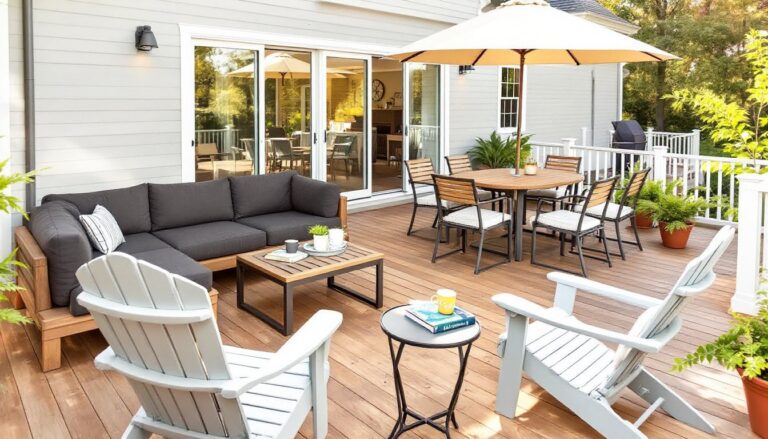
A corner seating area needs three elements: level ground, comfortable seating, and some visual enclosure.
Foundation Options
For soft surfaces, lay landscaping fabric followed by 3–4 inches of pea gravel (covering approximately 100 sq ft per ton). Edge with pressure-treated 4×4 timbers or concrete pavers to contain the gravel. This approach drains well and costs roughly $150–$250 in materials for a 10×10-foot space.
For a more permanent base, pour a 4-inch concrete pad over 4 inches of compacted gravel. This requires forming, rebar, and a weekend’s work, but supports heavier furniture and fire pits. Budget $300–$500 for a modest DIY pour, plus concrete mixer rental.
Seating and Shelter
Built-in benches work well in corners. Frame with 2×4 pressure-treated lumber, face with 1×6 cedar or composite decking, and add a hinged seat for hidden storage. A simple L-shaped bench measuring 5 feet per side uses about $120 in lumber.
Overhead coverage extends usability. A DIY pergola using 4×4 posts and 2×6 rafters with 12-inch on-center spacing provides dappled shade and supports climbing roses or wisteria. Anchor posts in concrete footings at least 36 inches deep in cold climates to prevent frost heave. Expect $400–$600 in materials for a 10×10-foot structure.
Safety note: If adding a propane or wood-burning fire pit, maintain a 10-foot clearance from structures and check local fire codes. Many municipalities require spark screens and non-combustible surfaces like brick or stone within a 3-foot radius.
Vertical Gardens and Living Walls for Small Corner Spaces
Vertical planting maximizes limited square footage by using fence height. A bare 6-foot fence corner offers roughly 72 square feet of planting surface when both sides are utilized.
Trellis Systems
Install galvanized wire mesh (4-inch openings) or welded wire fencing secured to fence posts with exterior-grade screws and fender washers. Keep the mesh 2 inches off the fence using spacer blocks to allow air circulation and prevent rot. This setup supports pole beans, clematis, or climbing hydrangeas.
For heavier vines like grapes or hardy kiwi, upgrade to 2×2 cedar lattice or a cable system using 3/16-inch stainless steel cable tensioned with turnbuckles. Anchor cables to fence posts or wall-mounted eye bolts rated for at least 100 pounds.
Modular Living Walls
Pocket planters made from felt fabric or rigid plastic grids mount directly to fences. Fill pockets with potting mix (not garden soil, which compacts and drains poorly) and plant herbs, sedums, or trailing annuals.
Drip irrigation simplifies maintenance. Run 1/4-inch drip tubing along the top with emitters spaced every 6–8 inches. Connect to a hose bib via a battery-operated timer for automated watering. Expect $50–$80 for a basic kit covering 30–40 square feet.
Critical: Ensure the fence can support added weight. Saturated soil and plants add approximately 8–12 pounds per square foot. Older or damaged fences may need reinforcement with additional posts or cross-bracing.
Water Features That Turn Corners into Focal Points
Water features mask street noise and attract pollinators. Corners naturally concentrate sound, amplifying the effect of moving water.
Preformed Pond Liners
Rigid polyethylene or fiberglass pond shells (100–300 gallons) install faster than flexible liners. Excavate 2 inches deeper and wider than the shell dimensions, add a sand base for leveling, and backfill with sand or soil to eliminate voids. A submersible pump (200–500 gallons per hour) circulates water through a small fountain or spitter. Total DIY cost: $250–$500.
For flexible liner installations, use 45-mil EPDM rubber rather than PVC, which cracks in UV exposure. Underlayment fabric protects the liner from punctures. Edge with flagstone or stacked slate, securing with construction adhesive rated for wet environments.
Pondless Water Features
These eliminate standing water (safer for households with young children) while providing sound and movement. Dig a reservoir basin, install a rigid plastic basin or line with EPDM, then place a pump vault inside. Cover with plastic grating, then river rock or cobbles. Water bubbles up through stacked stone or a decorative urn, recirculates into the hidden basin.
Pondless features use less water (20–40 gallons vs. 100+) and require minimal maintenance, just top off monthly and clean the pump intake twice per season.
Electrical requirements: Install a GFCI-protected outdoor outlet within 6 feet of the feature. If trenching more than 10 feet from an existing circuit, hire a licensed electrician. Burial depth for UF-B cable is 12 inches minimum under GFCI protection per NEC Article 680.
Multi-Layered Plantings for Depth and Visual Interest
Layering, tall backdrop plants, mid-height fillers, and low groundcovers, creates the illusion of depth and prevents the flat, single-row look.
Backdrop Layer (5–8 feet)
Use evergreen shrubs for year-round structure: Thuja ‘Green Giant’ (fast-growing, 3–5 feet per year), Ilex ‘Nellie Stevens’ holly (dense, tolerates shade), or ornamental grasses like Miscanthus sinensis (6–8 feet, winter interest). Space according to mature width, most shrubs need 3–5 feet between centers.
For deciduous interest, Hydrangea paniculata cultivars (‘Limelight’, ‘Fire Light’) bloom late summer into fall and support themselves without staking.
Mid-Layer (2–4 feet)
Perennials anchor the middle: Peonies, Salvia nemorosa, Echinacea, or ornamental alliums. Group in odd numbers (3, 5, 7) for a natural look. Mulch with 2–3 inches of shredded hardwood bark to suppress weeds and retain moisture, not volcano mounds against plant crowns, which invite rot.
Container groupings add flexibility. Use frost-proof ceramic or resin planters in graduated sizes. Fill with a soilless potting mix (peat, coir, perlite) rather than garden soil, which compacts in containers.
Groundcover and Edge Layer (under 12 inches)
Low spreaders soften edges: Ajuga reptans (shade-tolerant, purple foliage), Sedum ‘Angelina’ (drought-tolerant, chartreuse), or Thymus serpyllum (walkable, fragrant). These outcompete weeds once established and require no mowing.
Prep work matters: Amend clay soil with compost at a 1:1 ratio to improve drainage. Kill existing turf with a sod cutter (rental ~$80/day) or solarize under clear plastic for 6–8 weeks before planting.
Functional Corner Solutions: Storage, Composting, and Utility Areas
Not every corner needs ornamental treatment. Strategic placement of functional elements improves yard workflow.
Garden Sheds and Storage
A corner shed uses fence lines as two walls, reducing material costs. Pre-fab resin sheds (4×6 feet, ~$400–$700) require only a level base, either a gravel pad or concrete pavers on leveling sand. For a custom build, frame with 2×4 studs on 4×4 skid runners (treated lumber), sheath with T1-11 siding or LP SmartSide, and roof with architectural shingles over 1/2-inch OSB sheathing.
Structures over 120 square feet typically trigger permit requirements. Setbacks from property lines range from 3–10 feet depending on jurisdiction, verify before breaking ground.
Compost Bins
Three-bin systems allow rotation: one for active composting, one for curing, one for finished product. Build with 2×4 frames and 1/2-inch hardware cloth or wooden slats with 1-inch gaps for airflow. Dimensions around 3x3x3 feet per bin provide adequate volume for heat generation.
Tumbler-style composters work in tighter spaces but cost more ($150–$300). They speed decomposition but don’t handle large volumes.
HVAC and Equipment Screening
Air conditioner condensers, pool pumps, and utility boxes cluster in corners. Screen with lattice panels mounted on 4×4 posts, leaving 2 feet of clearance around HVAC units for airflow (check manufacturer specs, restricting airflow voids warranties).
Alternatively, plant a semi-circle of evergreen shrubs 3–4 feet from equipment. Buxus (boxwood), Taxus (yew), or compact Ilex varieties work well. Avoid dense plantings that trap heat or obstruct service access.
Safety reminder: Never block utility meters, gas lines, or electrical panels. Most codes require unobstructed access within 3 feet.
Conclusion
Backyard corners represent underutilized real estate with built-in structure and natural advantages. Whether the goal is adding seating, growing vertically, incorporating water, layering plants for year-round interest, or tucking away functional elements, corners offer flexibility that open lawn spaces can’t match. Start with one corner, test techniques, and expand. Most importantly, handle grading and drainage first, everything else builds on a solid foundation that sheds water properly.