A back deck without the right furniture is just a platform. The difference between a rarely-used outdoor space and one that becomes the summer hub comes down to thoughtful furniture choices that balance comfort, durability, and function. Whether the deck is a compact 10×10 off a city condo or a sprawling 400-square-foot extension on a ranch home, the furniture determines how the space actually gets used. From weatherproof dining sets to modular seating that adapts to both solo coffee mornings and weekend barbecues, selecting pieces that suit the deck’s size, exposure, and purpose makes all the difference.
Table of Contents
ToggleKey Takeaways
- Back deck furniture transforms an underused platform into a functional outdoor living space by prioritizing comfort, durability, and pieces scaled to the deck’s size and purpose.
- Weather-resistant materials like teak, poly lumber, and powder-coated aluminum significantly extend furniture lifespan, with quality options lasting 10–20+ years versus cheaper alternatives that deteriorate in 2–3 seasons.
- Space-saving back deck furniture ideas include bistro sets, corner benches with storage, and wall-mounted drop-leaf tables that maximize functionality on compact decks without creating a cramped feel.
- Outdoor dining tables require at least 36 inches of clearance on all sides for chairs to push back safely, and proper sizing (24 inches of width per person) ensures comfortable meals.
- Deep-seat lounges, adjustable chaise lounges, and storage benches serve multiple purposes—providing relaxation, seating, and functional storage to stretch limited deck space and budget.
- Solution-dyed acrylic cushion fabrics with UV stabilization rated for 1,000+ hours of exposure prevent fading and maintain comfort through seasons of outdoor use.
Classic Seating Arrangements for Maximum Comfort
Traditional seating configurations remain popular because they work. A sectional sofa anchors one side of the deck while leaving pathways clear, and L-shaped arrangements naturally encourage conversation without forcing guests to crane their necks.
Adirondack chairs still top the list for back decks, especially in weather-resistant poly lumber or treated cedar. They’re angled for genuine comfort without cushions, and the wide armrests hold a drink or book. Spacing them 18–24 inches apart allows elbow room while keeping the group connected.
Rocking chairs offer the same classic appeal with added motion, which many find more relaxing for extended sitting. Pair them with a small side table between each seat, 16–20 inches in diameter is ideal for holding essentials without crowding.
For families or frequent entertainers, a conversation set with four chairs and a central coffee table creates a defined gathering zone. Look for chairs with contoured backs and seats at least 18 inches deep: shallow seats get uncomfortable fast. Powder-coated aluminum frames hold up better than stamped steel in humid climates, and they won’t rust through at the joints after two seasons.
Cushions aren’t required, but they upgrade comfort significantly. Choose solution-dyed acrylic fabric with UV stabilization, covers rated for 1,000+ hours of UV exposure won’t fade to pastel in one summer. Store cushions during heavy rain or winter to extend their lifespan.
Dining Sets That Make Outdoor Meals Memorable
An outdoor dining table changes how a deck gets used. Meals move outside, laptop work happens in fresh air, and weekend card games stretch into the evening.
Standard dining tables run 28–30 inches high, the same as indoor tables, and should accommodate at least 24 inches of width per person. A 60-inch round table seats six comfortably: a 72-inch rectangular table seats eight. Measure the deck first: the table needs at least 36 inches of clearance on all sides for chairs to push back without hitting railings or stairs.
Teak remains the gold standard for outdoor dining tables. It weathers to a silver-gray patina and resists warping, though it requires annual oiling if the original honey tone is preferred. Eucalyptus offers similar performance at a lower price point, though it’s slightly less dense.
For lower-maintenance options, powder-coated aluminum tables with slatted tops drain water quickly and won’t splinter. Tempered glass tops look sharp but show every water spot and pollen streak, plan on frequent wiping.
Stacking chairs make storage easier. Metal stacking chairs hold up better than resin: look for welded joints rather than riveted, which loosen over time. If storage isn’t an issue, wicker dining chairs with cushioned seats feel more welcoming than bare metal or wood.
Umbrella compatibility matters. A center pole umbrella requires a table with a pre-drilled hole (usually 1.5–2 inches) and a sturdy base, at least 50 pounds for tables up to 54 inches, heavier for larger spans. Offset cantilever umbrellas eliminate the center pole issue but need a weighted base of 75–100 pounds to stay put in wind.
Space-Saving Furniture Solutions for Small Decks
Small decks demand furniture that earns its footprint. Oversized sectionals and bulky dining sets overwhelm compact spaces, making them feel cramped rather than cozy.
Bistro sets, a 24–30 inch round table with two chairs, fit comfortably on decks as small as 6×8 feet. Folding bistro sets store flat against a wall or hang on heavy-duty hooks when not in use. Look for marine-grade stainless steel hardware on folding mechanisms: cheaper hinges corrode and bind within a season.
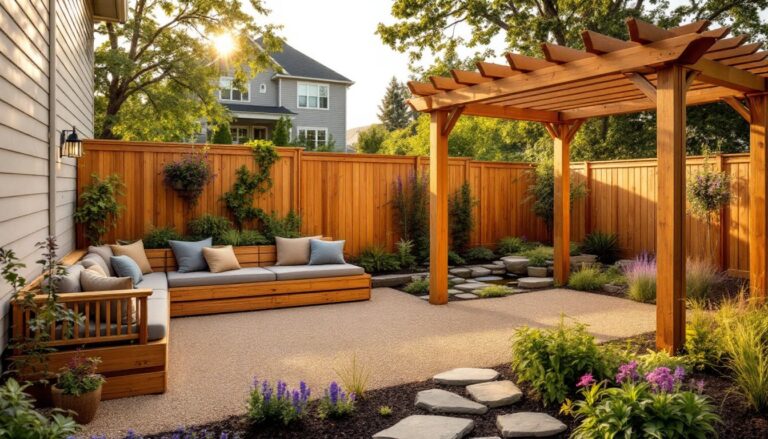
Corner benches with built-in storage underneath maximize seating without eating up circulation space. An L-shaped bench along two sides of a 10×10 deck provides seating for five or six while keeping the center open. Add weatherproof cushions with ties to prevent them from blowing off.
Wall-mounted drop-leaf tables offer dining or workspace that folds flat when not needed. Secure them to wall studs or blocking with lag bolts, not just exterior sheathing. A 36-inch drop-leaf can seat three on folding chairs and disappears completely when lowered.
Nesting tables and stacking stools tuck away easily. Metal nesting tables with powder-coated finishes resist rust: avoid ones with sharp corner welds that snag clothing or scratch adjacent pieces when stacked.
Choose furniture with exposed legs rather than solid bases, visual space underneath makes a small deck feel larger. Glass or mesh tabletops also maintain sightlines better than solid wood or stone.
Lounge-Worthy Pieces for Ultimate Relaxation
Lounge furniture transforms a deck into a true outdoor living room, not just a place to perch for fifteen minutes.
Chaise lounges with adjustable backs offer five or six reclining positions, from upright reading to nearly flat napping. Full-length chaises run 72–78 inches long: make sure the deck can accommodate them without blocking walkways. Wheels on the rear legs make repositioning for sun or shade easier, though the wheels should lock, unlocked chaises roll unexpectedly on sloped decks.
Deep-seat sofas with cushions 5–7 inches thick and seats at least 24 inches deep provide actual lounging comfort, not just upright sitting. Pair with an ottoman or oversized coffee table that doubles as a footrest. Sunbrella or similar solution-dyed acrylic cushion covers resist mildew and clean with mild soap and water.
Hammocks and hanging chairs add a resort feel but require solid overhead structure. A hammock needs anchor points 10–15 feet apart, each capable of supporting 400+ pounds. If the deck’s overhead beam or pergola wasn’t built for it, hire a contractor or engineer to assess load capacity before installing hardware, people get hurt when inadequately fastened hammocks fail.
Swing benches offer similar relaxation with easier installation. Porch swings should hang from eye bolts screwed into joists or blocking, never just into decking boards. Use zinc-plated or stainless steel hardware rated for outdoor use.
Pair lounge furniture with side tables at arm’s reach, nothing ruins relaxation faster than having to get up for a drink.
Multi-Functional Furniture That Does Double Duty
Furniture that serves multiple purposes stretches a deck’s versatility, especially when space or budget is limited.
Storage benches are the MVP of multi-function outdoor furniture. A 48-inch bench seats two adults while stashing cushions, garden tools, or pool toys in a weatherproof interior. Look for resin or poly lumber construction with stainless steel hinges, wood storage benches rot from the inside out unless they’re lined with waterproof material.
Ottomans function as footrests, extra seating, or side tables depending on the moment. Opt for ones with removable tops or trays that convert the cushioned surface into a stable platform for drinks and plates.
Fire pit tables combine warmth, ambiance, and a gathering spot. Rectangular fire tables double as regular coffee tables when the burner’s covered with the included lid. Propane models connect to standard 20-pound tanks stored underneath: natural gas versions require a gas line rough-in, which means hiring a licensed plumber or gas fitter if one isn’t already present. Keep furniture at least 24 inches away from the flame, and never use a fire feature under a covered roof without verifying adequate ventilation.
Convertible benches flip between picnic-table mode and separate bench seating. They’re practical for households that alternate between large group meals and casual hangouts, though the mechanisms take up width even when folded.
Bar carts on wheels move drinks and supplies from kitchen to deck and back again. Look for carts with all-weather wicker or powder-coated steel frames, and wheels at least 4 inches in diameter to roll smoothly over deck boards without catching.
Weather-Resistant Materials Worth the Investment
Material choice determines whether deck furniture lasts two seasons or twenty. Outdoor conditions are brutal, UV exposure, rain, temperature swings, and humidity age furniture fast.
Teak tops the durability list. Its natural oils repel water and resist rot, and it doesn’t require finish or sealant to survive outdoors. Expect to pay $800–$1,500 for a quality teak dining chair, but it’ll outlast cheaper alternatives several times over. Lower grades contain more sapwood (lighter streaks), which weathers unevenly.
Poly lumber (recycled HDPE plastic) mimics wood without the maintenance. It won’t crack, splinter, or fade, and it never needs staining or sealing. Color runs throughout the material, so scratches don’t show raw substrate. Poly lumber furniture is heavier than wood, a good thing in windy areas, and typically comes with 20-year warranties.
Powder-coated aluminum combines light weight with rust resistance. Quality powder coating is baked on in multiple layers and should feel smooth, not gritty. Welded aluminum frames outperform cheaper extruded and riveted construction. Avoid raw aluminum, which oxidizes into a chalky white residue.
Eucalyptus and acacia offer mid-range durability at lower cost than teak. Both need annual sealing with penetrating oil to maintain color and prevent checking (small surface cracks).
Wicker made from synthetic resin (polyethylene or PVC) lasts outdoors: natural wicker doesn’t. High-quality synthetic wicker is woven tightly over powder-coated aluminum frames and resists UV breakdown. Cheap versions use thin strands that snap within two seasons.
Marine-grade stainless steel (316-grade) and powder-coated steel hold up in coastal areas. Regular steel, even painted, corrodes quickly in salt air.
Cushion fabric matters as much as frames. Solution-dyed acrylic (Sunbrella is the best-known brand) resists fading and mildew far better than polyester or cotton blends. Cushions should have drainage grommets and quick-dry foam cores, not standard upholstery foam that stays soggy for days after rain.
Conclusion
The right deck furniture turns an underused platform into a space that genuinely extends the home’s living area. Focus on durable materials that suit the local climate, choose pieces scaled to the deck’s dimensions, and prioritize comfort for how the space will actually be used. Whether it’s a compact bistro set for morning coffee or a full outdoor sectional for weekend gatherings, furniture that balances function, durability, and style makes the deck worth building in the first place.