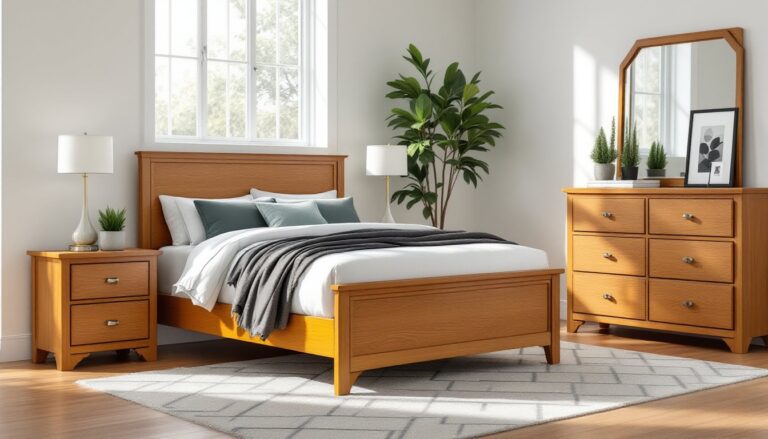
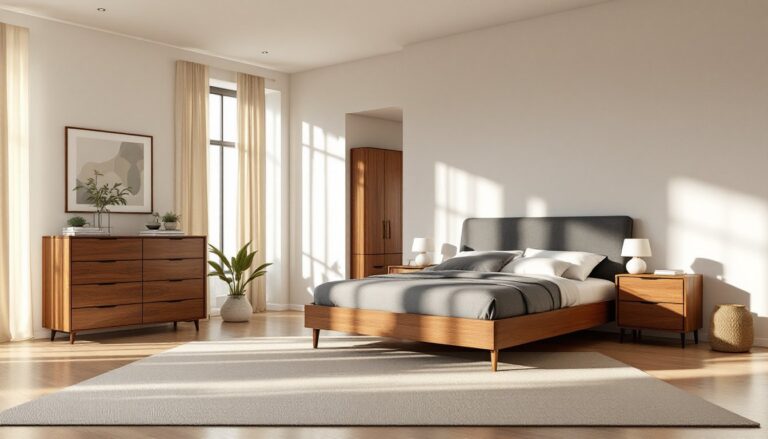
Choosing bedroom furniture isn’t about trends, it’s about function, durability, and making the most of every square foot. The right pieces anchor a room, improve storage, and set the tone for rest and daily routines. Whether furnishing a master suite or a compact guest room, understanding how each piece contributes to the layout helps avoid costly mistakes and wasted space. This guide breaks down the essential bedroom furniture categories, what to look for in construction and materials, and how to match pieces to specific needs without overspending or cluttering the floor plan.
Table of Contents
ToggleKey Takeaways
- Choose top bedroom furniture based on function and durability rather than trends, prioritizing solid construction like dovetail joints and quality slides over appearance.
- Platform and storage bed frames maximize space and under-bed storage potential, with platform beds ideal for low ceilings and minimalist styles while storage beds require proper weight-rated drawer slides.
- Nightstands should align with mattress height (24–28 inches), use full-extension ball-bearing slides, and include security features like USB ports or wireless charging to reduce cord clutter.
- Dressers and chests require quality drawer construction with solid wood or plywood boxes, deep drawers (10–12 inches), and anti-tip brackets for units over 30 inches to ensure safety and longevity.
- Wardrobes and armoires provide essential storage for closetless rooms, with solid wood and proper assembly (level frames, quality back panels) preventing wobbling and door misalignment issues.
- Measure doorways, stairwells, and floor space before purchasing any bedroom furniture piece to avoid costly mistakes and ensure proper installation, especially for king-size frames and tall armoires exceeding 72 inches.
The Bed Frame: Foundation of Your Bedroom Design
The bed frame does more than hold a mattress, it dictates room layout, under-bed storage potential, and overall style. Platform beds eliminate the need for a box spring and often include built-in slat systems that provide solid support for memory foam or hybrid mattresses. These frames sit lower to the ground, typically 10–14 inches in height, making them ideal for rooms with low ceilings or a minimalist aesthetic.
Panel beds feature a headboard and footboard, often constructed from solid wood or engineered wood with veneer. They pair with standard box springs and work well in traditional or transitional interiors. Look for frames made from hardwoods like oak, maple, or birch for longevity: avoid particleboard cores in high-stress joints.
Storage beds integrate drawers or hydraulic lift mechanisms that access the space beneath the mattress. Drawer units typically run on ball-bearing slides rated for 75–100 pounds and work best in rooms where a dresser won’t fit. Lift-storage frames require clearance behind the headboard (usually 2–3 inches) and benefit from gas-lift struts rather than manual hinges.
Frame dimensions follow mattress standards: Twin (38″ × 75″), Full (54″ × 75″), Queen (60″ × 80″), King (76″ × 80″), and California King (72″ × 84″). Always measure doorways and stairwells before ordering, most king frames ship in pieces, but headboards can exceed 80 inches in width.
Check that frames include center support legs for queen sizes and larger. Frames without center support risk sagging and void some mattress warranties. Metal frames should use steel tubing with welded corners, not bolted brackets that loosen over time.
Nightstands: Functional Elegance Within Reach
A nightstand should align with the top of the mattress, typically 24–28 inches tall, to avoid awkward reaches for a phone or glass of water. Two-drawer models offer the best balance of storage and footprint, usually measuring 18–24 inches wide and 16–18 inches deep.
Solid wood nightstands with dovetail joinery hold up better than those using stapled or glued corners. Pull out a drawer and check the slides, full-extension ball-bearing slides rated for 75 pounds handle the weight of books and electronics without binding.
For tight spaces, consider floating nightstands or wall-mounted shelves that free up floor space and simplify vacuuming. These require installation into wall studs using lag screws or heavy-duty anchors rated for at least 50 pounds. Mark stud locations with a stud finder before drilling.
Nightstands with built-in USB ports or wireless charging pads reduce cord clutter, but verify compatibility with device standards (USB-A, USB-C, Qi charging). Some units include surge protection, a worthwhile feature for protecting electronics.
Match nightstand height and style to the bed frame. A tall platform bed paired with short nightstands creates visual imbalance. Conversely, oversized nightstands can overwhelm a twin or full bed in a small room.
Dressers and Chests: Maximize Your Storage Potential
Dressers (horizontal, 6–9 drawers) and chests (vertical, 4–6 drawers) serve different layouts. Dressers work well along long walls and double as TV stands or display surfaces. Chests fit narrow spaces like corners or between windows.
Drawer depth matters: shallow drawers (4–6 inches) suit accessories and undergarments, while deep drawers (10–12 inches) accommodate folded jeans and sweaters. Full-extension drawer slides allow access to the entire interior, essential for deep drawers.
Inspect construction before buying. Quality dressers use solid wood or plywood drawer boxes with dovetail or dowel joints. Drawer bottoms should be at least 1/4-inch plywood or hardboard, not thin particleboard that sags under weight. Felt or cork pads on drawer bottoms protect delicate fabrics.
Dresser height ranges from 30–40 inches. Taller units (36 inches and up) require anti-tip brackets anchored into wall studs, especially in homes with children. The Consumer Product Safety Commission recommends securing all furniture over 30 inches tall.
Finish quality affects durability. Catalyzed lacquer or conversion varnish resists scratches better than basic polyurethane. Avoid dressers with paper-thin veneer, corners and edges wear through quickly, exposing particleboard underneath.
For shared bedrooms, consider two narrow chests instead of one wide dresser to give each person dedicated storage without negotiating drawer space.
Wardrobes and Armoires: Stylish Solutions for Any Closet
Wardrobes and armoires provide hanging and shelving storage without built-in closets, common in older homes or converted spaces. Standard wardrobe interiors include a hanging rod rated for 30–50 pounds and adjustable shelves above or below.
Two-door wardrobes typically measure 36–48 inches wide and 18–24 inches deep, enough for front-facing hangers but not side-by-side hanging. Deeper models (24 inches) accommodate bulkier items like coats and suit jackets.
Knockdown (flat-pack) wardrobes ship in pieces and require assembly with cam locks or barrel nuts. Check that the back panel is at least 1/4-inch hardboard or plywood: thin panels flex and destabilize the unit. Use a level during assembly, racked frames cause doors to swing open or bind.
Solid wood armoires often feature mortise-and-tenon joinery and hand-fitted doors. These pieces are heavy (150–300 pounds) and may require disassembly to navigate stairs. Measure doorways and ceiling height, armoires often exceed 72 inches tall.
Some armoires convert to media centers with removable rods and pre-drilled holes for AV equipment. This flexibility extends the furniture’s lifespan if storage needs change.
Modular wardrobe systems (like PAX or California Closets) let users configure interiors with pull-out trays, drawer inserts, and accessory organizers. These systems attach to walls and may require blocking or toggle anchors in drywall for lateral stability.
Seating Options: Chairs, Benches, and Beyond
Bedroom seating serves multiple roles: a place to put on shoes, a reading nook, or a landing spot for tomorrow’s outfit. Upholstered benches at the foot of the bed add function without visual clutter and typically measure 14–18 inches tall, low enough to tuck partially under the frame.
Accent chairs require more floor space but offer comfortable reading or relaxation spots. Look for chairs with kiln-dried hardwood frames, softer woods or green lumber warp over time. Eight-way hand-tied springs provide superior support compared to sinuous (S-shaped) springs or webbing alone.
Storage benches with lift lids or pull-out drawers maximize dual-purpose use. Hydraulic hinges prevent lids from slamming shut and pinching fingers, a key safety feature. Weight capacity on storage benches typically ranges from 200–300 pounds: verify this if the bench will see regular use.
Bedroom chairs should complement the room’s scale. A wingback or club chair suits a spacious master bedroom, while a compact slipper chair (armless, low seat) fits tighter quarters.
For couples sharing space, two small chairs flanking a side table create symmetry and personal zones without sacrificing floor area. Benches work better in narrow rooms where chairs would block walkways.
Always test seating before buying. Sit down, shift weight, and check for creaks or wobbles, signs of weak joinery or undersized hardware.
Vanities and Desks: Multi-Functional Furniture for Modern Living
Bedroom vanities and desks extend a room’s utility, supporting grooming routines, remote work, or hobbies. Standard desk height is 28–30 inches, matching most office chairs. Vanities range from 30–32 inches to accommodate seated makeup application.
Vanities with lighted mirrors should include dimmable LED bulbs rated for at least 800 lumens per side. Color temperature matters, 5000K (daylight) mimics natural light for accurate makeup application, while 3000K (warm white) creates softer ambiance. Hardwired fixtures require an electrician: plug-in models offer flexibility but add cord clutter.
Desks in bedrooms often lack the depth of dedicated home-office furniture. A 24-inch-deep desk provides enough workspace for a laptop and notebook, while 30-inch depths accommodate monitors and desk lamps. Cable management grommets or rear cutouts keep cords organized.
Secretary desks or drop-front desks fold closed to hide work clutter, ideal for small bedrooms where visual calm matters. These typically include cubbies and small drawers inside the fold-down surface.
Check that desks and vanities include adjustable levelers on the feet. Floors are rarely perfectly flat, and wobbling furniture frustrates daily use.
Integrated storage (drawers, shelves, or hutches) reduces the need for separate bookcases or filing cabinets. Match storage type to the intended use: shallow drawers for stationery and cosmetics, deeper drawers for files or electronics.
Conclusion
Bedroom furniture succeeds when it balances storage, durability, and spatial efficiency. Prioritize solid construction, dovetail joints, quality slides, and hardwood frames, over trendy finishes that wear poorly. Measure twice, account for door swings and drawer clearances, and anchor tall pieces to prevent tip-overs. The best furniture adapts to changing needs without requiring replacement every few years.