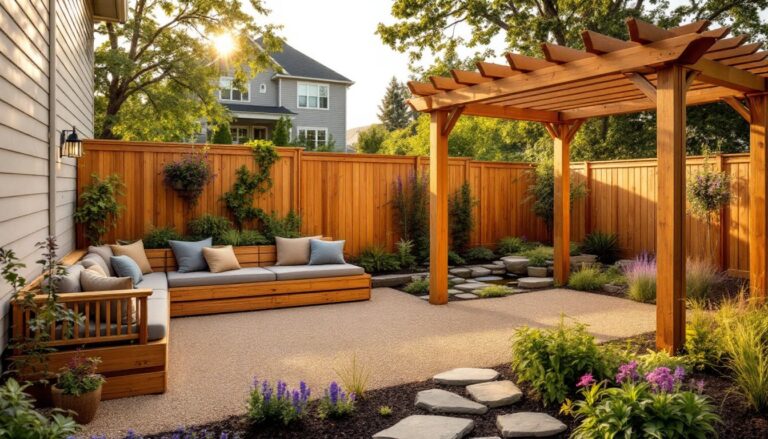
Small backyards often feel like design puzzles with limited solutions, but constraints can actually spark creativity. A compact outdoor space doesn’t have to sacrifice style, function, or comfort, it just requires smarter choices. With the right landscaping techniques, even a 200-square-foot patch can become an inviting retreat that feels twice its actual size. This guide covers practical, space-maximizing strategies that homeowners can carry out without massive budgets or professional crews. From vertical gardens to multi-use features, these ideas turn tight quarters into well-designed outdoor rooms.
Table of Contents
ToggleKey Takeaways
- Vertical landscaping solutions like trellises, wall-mounted planters, and living walls maximize growing space without consuming precious ground area in small backyards.
- Breaking your yard into distinct zones with subtle borders, layered materials, and diagonal layouts creates visual interest and the illusion of more square footage.
- Choose dwarf and compact plant cultivars bred specifically for tight spaces to avoid overcrowding and constant pruning maintenance.
- Multi-functional features such as built-in seating with storage, fold-down tables, and raised garden beds with cap rails serve double duty to save space.
- Strategic uplighting, string lights, light color palettes, and outdoor-rated mirrors expand perceived space and add dimension to small backyard design.
- Budget-friendly landscaping ideas like DIY gravel patios, pallet planters, painted concrete, and fresh mulch deliver high-impact results for under $300 per project.
Maximize Space With Vertical Landscaping Solutions
When square footage is limited, the only direction left is up. Vertical landscaping transforms fences, walls, and standalone structures into productive growing surfaces that don’t consume precious ground space.
Trellises and wall-mounted planters are the workhorses of vertical gardening. Install a cedar or pressure-treated trellis against a fence to support climbing vines like clematis, jasmine, or even compact vegetable varieties such as pole beans and cucumbers. Wall-mounted planter boxes (typically 6–8 inches deep) work well for herbs, succulents, and shallow-rooted annuals. Mount them to wall studs using lag bolts rated for outdoor use, not just drywall anchors.
Living walls or modular pocket planters create dramatic focal points. These systems use stacked fabric pockets or plastic grids that hold soil and plants vertically. They require consistent watering, drip irrigation on a timer is the most reliable method, and work best with ferns, pothos, or other shade-tolerant plants if the wall doesn’t get full sun. Expect to spend $150–$400 for a DIY kit covering a 4×6-foot section.
Espalier fruit trees are another space-efficient option. This pruning technique trains apple, pear, or fig trees to grow flat against a fence or wire framework. It takes patience and annual maintenance, but a mature espalier produces fruit while occupying only 12–18 inches of depth. This is a multi-year commitment, not a weekend project.
Create Zones to Make Your Backyard Feel Larger
A single, undefined lawn can make a small yard feel even smaller. Breaking the space into distinct zones, each with a clear purpose, creates visual interest and the illusion of more square footage.
Use low borders and pathways to define areas without blocking sightlines. A simple gravel path (3–4 feet wide, laid over landscape fabric) can separate a seating area from a planting bed. Low stone edging, timber borders, or even a row of pavers set flush with the ground all work as subtle dividers. Avoid tall fences or hedges that chop the space into claustrophobic boxes.
Layer different surface materials for each zone. A composite deck for dining, a pea gravel lounge area with Adirondack chairs, and a mulched garden bed all feel like separate “rooms.” This technique adds depth and keeps the eye moving, which makes the yard feel larger than it is.
Consider a diagonal layout instead of straight lines parallel to the house. Angling a patio or walkway forces the eye to travel the longest possible distance across the yard, stretching the perceived dimensions. It’s a simple optical trick that works surprisingly well in rectangular lots.
Outdoor rugs can also define seating or dining zones on patios. Choose polypropylene outdoor rugs that resist mold and fading. They’re affordable, hose-clean, and add color without permanent commitment.
Smart Plant Choices for Compact Outdoor Spaces
Plant selection makes or breaks a small-yard design. The wrong choices lead to constant pruning, overcrowding, and visual chaos.
Dwarf and compact cultivars are bred specifically for tight spaces. Look for dwarf conifers like ‘Blue Star’ juniper (grows 2–3 feet tall), compact hydrangeas such as ‘Little Lime’ or ‘Bobo,’ or ornamental grasses like ‘Little Bunny’ fountain grass. These mature at predictable sizes and won’t swallow the yard in five years.
Multi-season interest is critical when every plant must earn its spot. Choose varieties that offer spring blooms, summer foliage, fall color, and winter structure. Examples include ‘Winter Gem’ boxwood (evergreen), ninebark (spring flowers, summer foliage, peeling bark in winter), or ‘Autumn Joy’ sedum (late-season blooms, structural seed heads).
Avoid common space hogs like Bradford pears, large burning bushes, or sprawling junipers. These were popular decades ago but outgrow small yards quickly. If a plant’s mature spread exceeds 4–5 feet, think twice.
Container gardening offers ultimate flexibility. Large ceramic or resin planters (14–20 inches in diameter) can host shrubs, perennials, or even small trees. Containers allow rearranging the layout seasonally and make it easy to overwinter tender plants indoors. Use a quality potting mix, not garden soil, and ensure pots have drainage holes.
Multi-Functional Features That Save Space
Every element in a small backyard should ideally serve multiple purposes. Single-use features are a luxury tight spaces can’t afford.
Built-in seating with storage is a double-duty winner. A simple bench frame built from pressure-treated 2x4s with a hinged seat lid provides both seating and a place to stash cushions, garden tools, or kids’ toys. Line the interior with a waterproof tarp or use a weatherproof deck box insert. Finish with exterior-grade stain or paint.
Fold-down tables mounted to a fence or deck railing offer dining or workspace that disappears when not needed. Commercial brackets are available, or handy DIYers can build one using piano hinges and a support leg that folds flat. A 30×48-inch table seats four comfortably and stores in about 3 inches of depth.
Fire pits that double as coffee tables are increasingly popular. Propane models with burner covers allow the feature to function as a table when the fire isn’t running. This saves floor space compared to separate fire pit and seating table setups.
Raised garden beds with cap rails provide planting space and perimeter seating. Build beds from cedar 2x10s or 2x12s (actual dimensions 1.5×9.25 or 1.5×11.25 inches), and top them with a flat 2×6 cap that’s wide enough to sit on. This works well along property lines or edges of patios.
Lighting and Color Tricks to Expand Visual Space
Strategic lighting and color choices manipulate perception, making small yards feel open and inviting after dark.
Uplighting and path lights add depth and dimension. Low-voltage LED landscape lights (12V systems) are DIY-friendly and energy-efficient. Place uplights at the base of trees or architectural plants to cast shadows on fences, this pushes visual boundaries outward. Path lights along walkways guide movement and define zones without taking up space.
String lights or café lights soften overhead space and draw the eye upward. Hang them in a zigzag or catenary pattern across the yard using eye bolts screwed into fence posts or the house soffit. Use outdoor-rated extension cords and GFCI-protected outlets. Avoid overloading circuits: most strings are 15–25 watts per bulb.
Light color palettes reflect more light and feel airy. Whites, soft grays, pale blues, and pastels keep spaces feeling open. Dark colors recede, which can work strategically on a back fence to push it visually farther away, but use them sparingly.
Mirrors (outdoor-rated) are an old design trick that actually works in gardens. A weatherproof mirror mounted on a fence behind plantings creates the illusion of depth and reflects light. Frame it to look like a window or garden gate for a more intentional look. Ensure it’s secured properly, use construction adhesive and screws into fence boards.
Budget-Friendly Small Backyard Landscaping Projects
Small doesn’t have to mean expensive. Many high-impact projects cost under $300 and take a weekend or less.
DIY gravel patios offer great value. Excavate 4–6 inches, lay landscape fabric, add 3 inches of compacted crushed stone base, then top with 2 inches of pea gravel or decomposed granite. A 10×10-foot area costs roughly $150–$250 in materials. It’s permeable, low-maintenance, and looks cleaner than plain dirt or patchy grass.
Pallet planters repurpose free or cheap wood pallets into vertical gardens. Sand them, treat with exterior stain, attach landscape fabric to the back, fill with soil, and plant. Lean them against a fence or mount securely. Wear work gloves and safety glasses, pallet wood can splinter. Ensure pallets are stamped “HT” (heat-treated), not “MB” (methyl bromide-treated, which is toxic).
Painted concrete transforms ugly slabs. Clean thoroughly with a pressure washer or deck cleaner, let dry fully, then apply concrete stain or porch and patio paint. Stenciling patterns or faux tile designs adds character without the cost of real pavers. Use products rated for foot traffic and UV resistance.
Mulch and edging are low-cost, high-impact upgrades. Fresh hardwood mulch (2–3 inches deep) costs $25–$40 per cubic yard and makes beds look finished. Pair it with clean edging, steel landscape edging or plastic paver edging, to keep lines sharp. Edge beds with a flat spade or half-moon edger for crisp, professional results.
Conclusion
Small backyards reward careful planning and intentional design. By building upward, defining zones, choosing compact plants, incorporating multi-use features, and playing with light and color, homeowners can create spaces that feel far larger than their actual footprint. Start with one or two projects, refine the layout over time, and don’t be afraid to experiment. A well-designed small yard can outperform a poorly planned large one any day.