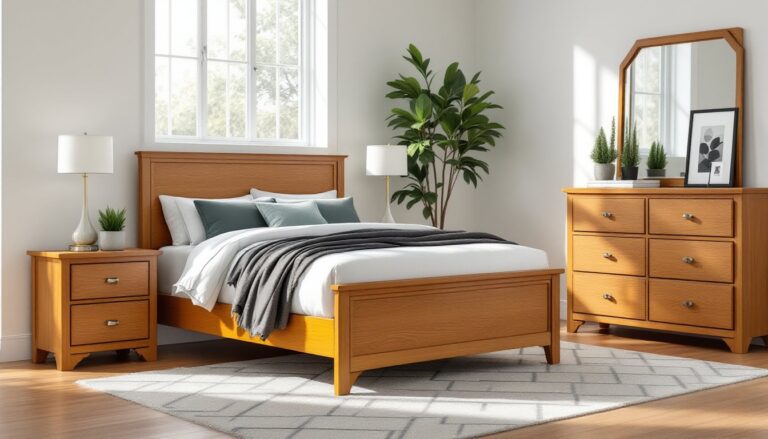
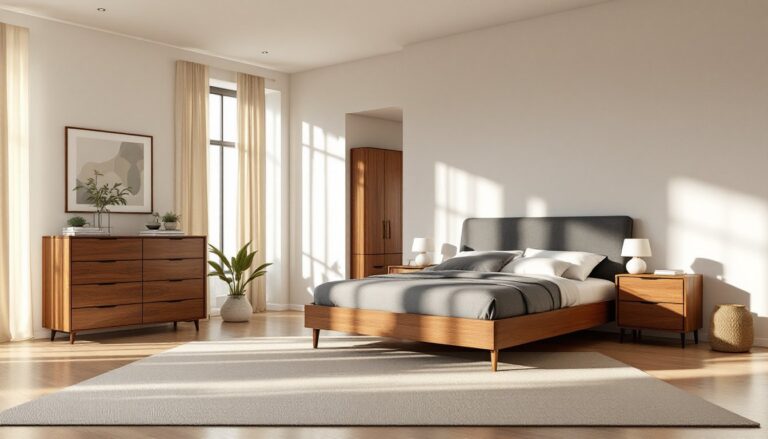
A bedroom should be more than just a place to sleep, it’s a personal sanctuary where every detail contributes to comfort and style. Luxurious bedroom furniture doesn’t just elevate aesthetics: it changes how someone feels the moment they walk through the door. The right pieces combine exceptional craftsmanship, premium materials, and thoughtful design to create a space that rivals high-end hotels. But luxury doesn’t require an unlimited budget or a designer on speed dial. With a clear understanding of what separates ordinary furniture from truly elevated pieces, anyone can transform their bedroom into a retreat that looks expensive and feels even better.
Table of Contents
ToggleKey Takeaways
- Luxurious bedroom furniture is defined by solid hardwood construction, dovetail joinery, and premium finishes rather than price alone—quality that lasts decades and performs flawlessly.
- Statement beds, properly proportioned nightstands (24–28 inches high), and well-constructed dressers with soft-close drawers and felt linings form the foundation of a high-end bedroom.
- Premium materials like solid walnut, oak, cherry, top-grain leather, and Belgian linen elevate both aesthetics and functionality while developing character over time.
- Modern luxury trends in 2026 range from minimalist platform beds with mixed metals to maximalist art deco styles and organic modern designs featuring sculptural forms and natural textures.
- Smart budgeting for luxurious bedroom furniture means investing first in the bed frame, buying case goods from the same collection for cohesion, and exploring floor models and semi-custom options for better value.
- Avoid false economies like particle board ‘luxury’ pieces and trend-dependent designs—timeless silhouettes in solid wood adapt to changing styles and provide lasting value for decades.
What Defines Truly Luxurious Bedroom Furniture
Luxury isn’t just about a high price tag, it’s about quality that lasts and details that matter. The hallmarks of luxurious bedroom furniture include solid wood construction (not particle board or MDF cores), dovetail joinery in drawers, and full-extension drawer glides that operate smoothly for decades. Premium pieces feature hand-applied finishes with multiple coats and proper sealing, not thin veneers that chip after a year.
Weight often signals quality. A solid hardwood dresser feels substantially heavier than its mass-market counterpart because it uses 3/4-inch or thicker hardwood panels instead of engineered composites. Hardware matters too, look for brushed brass, solid bronze, or stainless steel pulls rather than zinc alloy that tarnishes. High-end furniture makers use mortise-and-tenon joints for bed frames and case goods, which distribute stress better than screws alone.
Attention to proportion and scale separates luxury pieces from standard offerings. A well-designed bed or dresser considers room dimensions and ceiling height, an oversized upholstered headboard that reaches 60–72 inches adds drama in a room with 9-foot ceilings but overwhelms an 8-foot space. Luxury furniture also embraces negative space: drawers and compartments are thoughtfully sized for actual use, not crammed in to maximize count.
Essential Pieces for a High-End Bedroom
Statement Beds That Command Attention
The bed anchors the entire room, so it’s where investment pays off most. Upholstered platform beds with channel tufting or wingback silhouettes create instant visual impact. For a classic approach, a solid wood sleigh bed or canopy bed in walnut or cherry delivers timeless elegance. Frame dimensions matter, a true luxury bed uses king-size mattresses measuring 76 x 80 inches and frames that add 4–6 inches per side, so the overall footprint approaches 84–88 inches wide.
Headboard construction separates good from great. Premium upholstered headboards use high-density foam (2.5–3.5 lb/ft³) over solid wood backing, wrapped in performance fabrics like linen, velvet, or top-grain leather. Avoid headboards with thin batting over particle board, they look puffy and cheap. For wood beds, check that posts and rails use solid 2-inch or thicker stock, not hollow construction. Four-poster beds should have posts measuring at least 3 x 3 inches at the base for proper proportion.
Premium Nightstands and Dressers
Nightstand height should align with mattress top, typically 24–28 inches for modern platform beds, slightly higher for traditional frames with box springs. Luxury nightstands feature soft-close drawer mechanisms and felt-lined top drawers to protect jewelry and watches. Look for pieces with USB charging ports or wireless charging surfaces built into the design, a practical upgrade that feels thoughtful, not tacked-on.
Dressers in the luxury category use English or French dovetail joints with at least five dovetails per corner on drawers wider than 20 inches. The bottom panels should be solid wood or high-grade plywood (not hardboard) set into grooves, not stapled. A quality dresser drawer can support 75–100 pounds without sagging. Cedar-lined drawers add both function and a subtle, refined scent. Dresser tops should be at least 3/4-inch thick: anything less feels flimsy and can warp under the weight of mirrors or lamps.
Materials That Elevate Bedroom Aesthetics
Solid hardwoods, walnut, oak, cherry, and mahogany, remain the gold standard for luxury furniture. Walnut’s dark, straight grain and natural chocolate tones work especially well in modern and mid-century designs. White oak’s pronounced grain and honey hues suit both contemporary and farmhouse aesthetics. Cherry ages beautifully, deepening to a rich amber over time. Each species machines differently, so quality makers match joinery techniques to the wood’s characteristics.
Veneers aren’t automatically inferior. High-end furniture often uses book-matched veneer over solid cores to achieve grain patterns impossible with solid boards, think cathedral mahogany or burl walnut. The key is veneer thickness (look for 1/32-inch or thicker) and proper edge banding. Cheap veneers peel at corners: luxury pieces use solid wood edge banding or thick veneer that wraps edges cleanly.
Upholstery materials define comfort and longevity. Belgian linen offers breathability and a relaxed texture that improves with age, though it wrinkles easily. Performance velvets combine luxury feel with stain resistance, useful for headboards. Top-grain leather (not bonded or split leather) develops a patina and lasts 15–20 years with minimal care. Avoid polyester “microfiber” marketed as suede: it pills and looks tired quickly.
Metal accents, brass, bronze, or blackened steel, add contrast and refinement. Brushed or unlacquered brass develops a natural patina: lacquered finishes stay bright but feel less organic. Powder-coated steel frames on platform beds provide clean lines and support mattresses up to 1,000 pounds when properly welded.
Design Styles for Luxury Bedrooms in 2026
Modern luxury emphasizes clean lines, mixed materials, and restraint. Think platform beds with leather-wrapped frames, floating nightstands mounted to the wall, and dressers with integrated LED lighting in recessed toe kicks or behind pulls. Walnut paired with blackened steel or brushed brass creates warmth without ornament. This style works well in urban spaces and contemporary homes where architecture is minimal.
Transitional designs blend traditional craftsmanship with modern proportions. An upholstered bed with nailhead trim but a low-profile silhouette, or a classic wooden dresser with updated hardware and finish. This approach suits buyers who want elegance without feeling dated. Colors trend toward warm neutrals, greige, taupe, soft charcoal, with natural wood tones in medium to dark ranges.
Maximalist and art deco influences are gaining traction in 2026, especially in primary suites with space to spare. Channel-tufted headboards, mirrored nightstands, and lacquered finishes in deep jewel tones (emerald, sapphire, burgundy) make bold statements. Brass or gold-finished hardware and geometric patterns in upholstery fabrics complete the look. This style requires commitment, it doesn’t fade into the background.
Organic modern combines natural materials with sculptural forms. Beds and case goods feature live-edge wood, curved silhouettes, and earthy textures like rattan or cane insets. Finishes tend toward lighter tones, white oak, ash, or bleached walnut, to emphasize grain. This style pairs well with linen bedding and minimal accessories, creating a serene, gallery-like environment.
How to Choose Luxurious Furniture Within Your Budget
Start with the bed, it’s the visual anchor and the piece most worth splurging on. A well-made upholstered or solid wood bed frame in the $1,200–$2,500 range will outlast three cheaper versions and elevate everything around it. If budget is tight, invest here and fill in other pieces over time.
Buy case goods (dressers, nightstands, armoires) from the same collection or maker when possible. Matching wood species, finish, and hardware creates cohesion without requiring custom work. Many mid-to-high-end manufacturers offer modular collections where you can add pieces as budget allows. Look for brands that disclose construction details, dovetail joints, solid wood, and plywood backs instead of vague “wood composite” listings.
Floor models and showroom samples often sell at 30–50% discounts. Minor cosmetic flaws, a small scratch on a dresser side that faces a wall, don’t affect function. Estate sales and consignment shops occasionally yield vintage luxury pieces (mid-century credenzas, art deco vanities) that cost less than new mid-range furniture but offer better materials and construction.
Consider semi-custom or made-to-order options for specific needs. Regional furniture makers and online platforms like custom upholstery studios let buyers choose frame style, fabric, and dimensions. Pricing often sits between mass-market luxury and full custom, with lead times of 8–12 weeks. This approach works especially well for headboards and upholstered benches where fit and fabric matter most.
Avoid these false economies: particle board furniture marketed as “luxury” because of a trendy finish, oversized pieces that dominate small rooms, and overly trendy designs that look dated in two years. A solid wood dresser in a classic silhouette serves for decades and adapts to changing styles with new hardware or a refinished top. That’s the real luxury, furniture that doesn’t need replacing.