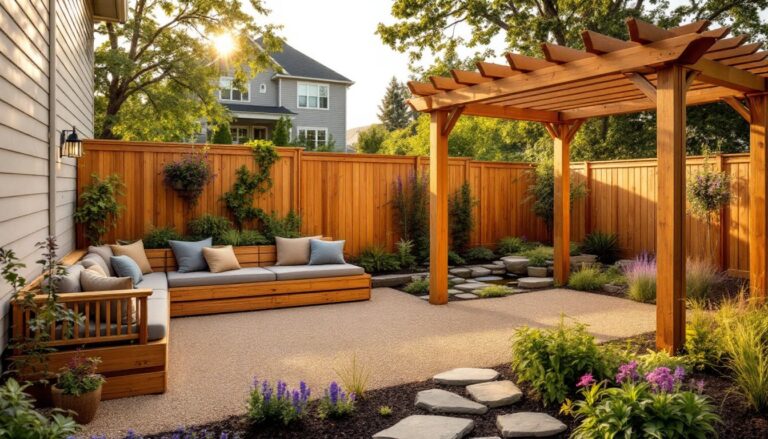
A well-designed backyard can transform a property from functional to extraordinary, but most homeowners lack the equipment, expertise, or time to tackle large-scale outdoor projects. Whether someone’s dealing with a sloped yard that needs grading, a dated patio begging for replacement, or drainage issues turning the lawn into a swamp after every rain, professional landscapers bring the tools and know-how to get it done right. Hiring the wrong company, though, can mean blown budgets, missed permits, and results that look nothing like the sketch they paid for. This guide walks through what landscaping companies actually do, when it’s time to call one, and how to vet contractors so the project doesn’t turn into a costly regret.
Table of Contents
ToggleKey Takeaways
- A professional backyard landscaping company handles design, installation, and maintenance of outdoor spaces, including hardscaping, softscaping, drainage solutions, and irrigation systems.
- Drainage issues, large hardscape projects, mature tree work, and complex designs justify hiring a landscaping company to avoid costly mistakes and ensure proper permits and engineering.
- Verify a landscaping company’s experience, portfolio, licenses, and insurance (general liability and workers’ compensation) before hiring to protect your investment.
- Get at least three itemized written estimates comparing labor, materials, equipment, and permits; avoid suspiciously low bids and contractors requesting large upfront deposits (over 25%).
- Ask critical questions about project timeline, crew consistency, warranty coverage, and how change orders are handled to prevent miscommunications and budget overruns.
- Choose a backyard landscaping company with solid reputation and clear communication over the lowest bid, balancing cost with quality to ensure long-term satisfaction.
What Does a Backyard Landscaping Company Do?
A backyard landscaping company handles everything from design and planning to installation and ongoing maintenance of outdoor spaces. The scope varies widely depending on the firm’s size and specialty, but most full-service companies offer a combination of hardscaping (patios, retaining walls, walkways, outdoor kitchens) and softscaping (planting, sod installation, mulching, garden beds).
Many landscapers also manage grading and drainage work, critical for properties with standing water, erosion, or uneven terrain. This often involves moving soil, installing French drains or catch basins, and resloping areas to direct water away from foundations. Some companies coordinate irrigation system installation, from simple drip lines to fully automated sprinkler zones with smart controllers.
Larger firms may employ landscape architects or designers who create detailed plans, including plant palettes suited to the local climate, hardscape materials that match the home’s style, and layouts that account for sun exposure and foot traffic. Smaller outfits might focus on execution, they’ll install what the homeowner designs or work from a rough sketch.
Maintenance services are common add-ons: mowing, pruning, seasonal cleanups, fertilization, and pest control. Some companies offer design-build packages where they handle everything from concept to completion, while others subcontract portions like electrical work for landscape lighting or masonry for custom fire pits.
It’s worth noting that structural work, like building tall retaining walls or anything affecting a property’s drainage onto neighboring lots, may require permits and engineered plans. A reputable company will know when to pull permits and when a project needs a licensed engineer’s stamp.
Signs You Need Professional Landscaping Services
Not every yard project requires a pro, but certain situations make hiring a landscaping company the smarter, and safer, choice.
Drainage and grading issues top the list. If water pools near the foundation, the lawn stays soggy for days after rain, or erosion is washing out garden beds, the problem likely needs more than a bag of topsoil and a rake. Poor grading can damage foundations and basements: fixing it often requires heavy equipment like a skid steer or excavator, plus knowledge of how to slope terrain properly (typically a minimum 2% grade away from structures).
Large hardscape projects fall into pro territory. Installing a paver patio, building a retaining wall over 3–4 feet tall, or pouring a concrete pad for an outdoor kitchen involves base prep, material calculations, and often permits. Retaining walls, in particular, require proper drainage behind the wall (backfill and weeping tile) to prevent failure.
Mature tree work should never be DIY. Removing large trees, especially near structures or power lines, requires certified arborists with liability insurance. Many landscaping companies either have arborists on staff or partner with tree services.
If a homeowner is short on time or tools, hiring out makes sense even for simpler projects. Hauling and spreading 10 yards of mulch, installing sod across a half-acre, or digging post holes for a fence line are physically demanding and time-consuming without the right equipment.
Finally, if the goal is a cohesive design, not just piecemeal fixes, a landscape designer or design-build firm can create a master plan that phases work over time, ensuring plantings, pathways, and structures work together rather than looking like afterthoughts.
Key Factors to Consider When Hiring a Landscaping Company
Choosing the right landscaping company comes down to verifying their track record, understanding what they specialize in, and making sure they’re properly licensed and insured.
Experience, Portfolio, and Credentials
Experience matters, especially for complex projects. A company that’s been operating for 10+ years has likely navigated permit processes, handled problem sites, and refined their installation methods. Ask how long they’ve been in business and whether the crew doing the work is in-house or subcontracted. Subcontractors aren’t inherently bad, but quality control can slip if the company doesn’t vet their subs carefully.
Request a portfolio of completed projects similar in scope to what the homeowner is planning. Photos should show finished work, not just stock images. If possible, ask for references and actually call them. Questions to ask past clients: Did the crew show up on time? Was the site left clean daily? Did the final cost match the estimate? Would they hire the company again?
Check for relevant credentials and certifications. Landscape contractors often hold state or local licenses (requirements vary widely). Certifications from organizations like the National Association of Landscape Professionals (NALP) or credentials as a Certified Landscape Technician indicate the company invests in training. If the project involves irrigation, look for certified irrigation contractors or designers. For larger structural work, confirm the company works with licensed engineers when needed.
Insurance is non-negotiable. The company should carry general liability insurance (typically $1–2 million coverage) and workers’ compensation for their crew. Ask for certificates of insurance and verify they’re current. If an uninsured worker gets hurt on the property, the homeowner could be liable.
Services Offered and Specializations
Not all landscaping companies do everything. Some focus primarily on maintenance (mowing, trimming, cleanups), while others specialize in installation or design-build. If a homeowner needs a custom outdoor kitchen with gas lines and electrical for lighting, they’ll want a company experienced in coordinating trades and pulling permits, not a lawn care service branching into hardscaping.
Ask whether the company has in-house designers or if they work with independent landscape architects. Design fees are sometimes rolled into project costs, but clarifying upfront avoids surprises.
Some firms specialize in niches: xeriscaping for drought-prone regions, native plantings for low-maintenance or pollinator-friendly gardens, or high-end hardscaping with natural stone and custom masonry. Hiring a specialist often means better results, but it may also mean a higher price tag.
Confirm what’s included in their service. Does the estimate cover hauling away old materials? Will they handle soil amendments and grading, or is that on the homeowner? Is there a warranty on plants or hardscape work? Many reputable companies guarantee plantings for one growing season and offer warranties on hardscape installations (often 1–3 years, depending on materials and scope).
Questions to Ask Before You Hire
Before signing a contract, homeowners should ask pointed questions to weed out unreliable contractors and clarify expectations.
- How long will the project take? Get a start date and estimated completion timeline. Weather and material delays happen, but the company should provide a realistic window.
- Who will be on-site daily? Ask if the same crew works the project start to finish or if different teams rotate in. A consistent crew tends to mean fewer miscommunications.
- What permits are required, and who obtains them? For grading, retaining walls, electrical, or irrigation tied into municipal water, permits may be necessary. The contractor should handle this, and the cost should be in the estimate.
- What happens if we encounter rock or poor soil? Unforeseen site conditions (ledge rock, contaminated fill, high water table) can blow up budgets. Ask how change orders are handled and whether the estimate includes contingencies.
- Is there a warranty? Clarify what’s covered and for how long. Warranties on plantings typically require the homeowner to follow care instructions (watering schedules, mulching).
- What’s the payment schedule? Be wary of contractors asking for large upfront deposits (more than 10–25% is a red flag). Payment schedules typically break into thirds: deposit, mid-project, and final payment upon completion. Never pay in full before work is done.
- Do you pull permits and carry insurance? This should be a yes. Ask for proof of both insurance and any required licenses.
- Can you provide a written, itemized estimate? Vague estimates lead to disputes. The breakdown should include labor, materials, equipment rental, permits, and any subcontractor fees.
Understanding Landscaping Costs and Getting Accurate Quotes
Landscaping costs swing wildly depending on region, scope, materials, and site conditions. A simple sod installation might run $1–2 per square foot, while a high-end paver patio with custom borders and lighting can hit $25–50+ per square foot.
Get at least three quotes from different companies, and make sure they’re bidding on the same scope. If one estimate seems far lower, it might exclude key steps (base prep, grading, or hauling), use inferior materials, or signal a contractor who underbids to get work then tacks on change orders.
Material quality matters. Concrete pavers are cheaper than natural stone, but natural stone lasts longer and often looks better. Topsoil quality varies, cheap fill dirt may be full of clay or weed seeds. If a company’s estimate includes specific products (brand of pavers, type of mulch, plant sizes), compare them across quotes.
Ask what’s not included. Does the homeowner need to remove old plantings or demo an existing patio, or is that in the bid? Who handles final grading and seeding in areas disturbed by equipment?
Beware of cash discounts. If a contractor offers a steep discount for paying cash or off the books, that’s a warning sign they’re cutting corners, possibly on permits, insurance, or taxes. If something goes wrong, the homeowner has little recourse.
Finally, don’t choose solely on price. The lowest bid often reflects lower quality, less experienced crews, or a contractor who won’t be around if issues crop up later. Balance cost against reputation, portfolio, and the homeowner’s gut feeling after meeting with the crew. A mid-range bid from a company with a solid track record and clear communication usually beats a rock-bottom price from an unknown entity.
Understanding how companies price work, and what to watch for in estimates, helps homeowners avoid overpaying or getting stuck with subpar results. A thoughtful vetting process upfront saves headaches, money, and the disappointment of a backyard that doesn’t live up to expectations.