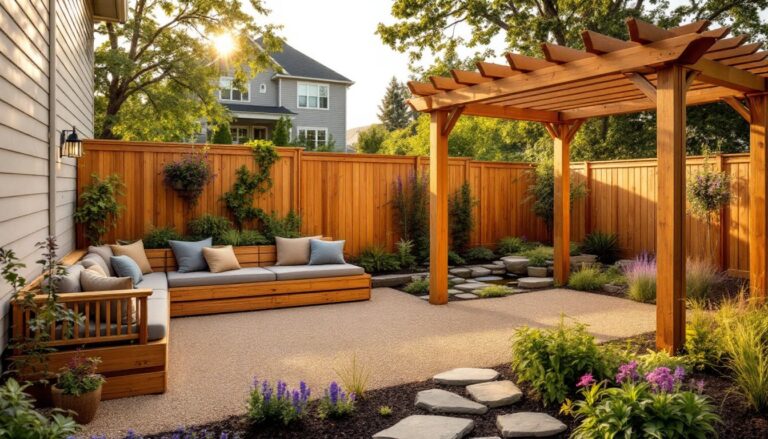
The side yard is often the most neglected strip of property, too narrow for furniture, too shaded for a traditional garden, and somehow always littered with weeds or mud. But that slim corridor between the house and fence line doesn’t have to be a dumping ground for garbage cans and forgotten tools. With the right plant choices, hardscaping, and a realistic approach to maintenance, homeowners can turn this awkward zone into an attractive, functional space that practically takes care of itself. The goal isn’t perfection: it’s creating a design that looks intentional and requires minimal weekend hours to maintain year-round.
Table of Contents
ToggleKey Takeaways
- Low maintenance side yard landscaping succeeds by combining drought-tolerant plants, proper drainage solutions, and hardscaping that work together to reduce weekly upkeep.
- Choose evergreen shrubs, ornamental grasses, and ground covers that tolerate shade, poor soil, and irregular watering—such as Japanese holly, sedges, and creeping thyme—rather than high-maintenance nursery favorites.
- Install landscape fabric and gravel or permeable pavers to suppress weeds and eliminate the need for constant mulch refreshing and mowing in narrow spaces.
- Address drainage issues with proper grading (¼ inch slope per foot away from the house) or French drains before planting to prevent mud, foundation damage, and root rot.
- Keep designs simple and cohesive—use three plant species or fewer, mass plantings in groups, and add vertical elements like trellises to maximize visual interest without increasing maintenance demands.
- Avoid common mistakes like overplanting immature specimens, skipping landscape edging, neglecting utility access, and underestimating seasonal sun exposure changes.
Why Side Yard Landscaping Requires a Different Approach
Side yards present challenges that front or backyards don’t. They’re typically 3 to 6 feet wide, which rules out most traditional landscaping layouts. Foot traffic patterns are different, people use side yards as pathways to backyard gates, utility access, or trash bins, so any design needs to accommodate movement without getting trampled.
Light conditions vary wildly depending on house orientation. North-facing side yards may receive only indirect light year-round, while south-facing strips can bake in full sun with heat radiating off siding. East or west exposures create sharp transitions from morning shade to afternoon glare. These microclimates demand plant selections that tolerate extremes.
Drainage is another complication. Side yards often sit lower than surrounding grade or collect runoff from downspouts and adjacent hardscaping. Without proper grading or drainage solutions, they turn into muddy channels or create moisture problems against the foundation. Many HOAs and local codes also restrict fence heights, materials, and setbacks in side yards, so it’s worth checking regulations before investing in permanent structures.
Best Low Maintenance Plants for Narrow Side Yards
The key to low maintenance planting is choosing species that thrive in neglect, those that tolerate inconsistent watering, don’t need deadheading, and won’t outgrow their space in two seasons.
Evergreen shrubs work well for year-round structure. Varieties like Japanese holly (Ilex crenata), dwarf boxwood (Buxus sempervirens ‘Suffruticosa’), or inkberry holly (Ilex glabra) stay compact (under 3 feet), tolerate part shade, and require only annual shaping. For sunnier exposures, dwarf yaupon holly (Ilex vomitoria ‘Nana’) handles heat and drought once established.
Ornamental grasses add texture without weekly trimming. Sedges like Carex species adapt to shade and moisture, while blue fescue (Festuca glauca) or Mexican feather grass (Nassella tenuissima) thrive in full sun with minimal water. Cut them back once in late winter, that’s the extent of maintenance.
For color without fuss, consider daylilies (Hemerocallis) in sun or hellebores (Helleborus orientalis) in shade. Both are tough perennials that spread slowly, tolerate poor soil, and bloom reliably without fertilizing or spraying.
Ground Cover Solutions That Suppress Weeds
Ground covers eliminate the need for mulch refreshing and choke out weeds by forming dense mats. Creeping thyme (Thymus serpyllum) tolerates light foot traffic, smells great when stepped on, and handles sun and drought. Ajuga (Ajuga reptans) spreads quickly in shade with purple or bronze foliage and spring flower spikes.
For deep shade under eaves, pachysandra (Pachysandra terminalis) or sweet woodruff (Galium odoratum) establish thick carpets that block weeds and need zero mowing. In regions with mild winters, Asian jasmine (Trachelospermum asiaticum) creates evergreen coverage that laughs at heat, shade, and neglect.
Install plants on 12 to 18-inch centers through landscape fabric secured with staples, then top with 2 inches of mulch until they fill in. This setup drastically reduces weed pressure during establishment and cuts long-term maintenance to occasional trimming at borders.
Hardscaping Ideas to Minimize Upkeep
Replacing turf or plant beds with hardscaping is the ultimate low-maintenance move. Gravel pathways are affordable and drain well. Use ¾-inch crushed stone over compacted base and landscape fabric for stability: it won’t shift like pea gravel and is easier to walk on. Edge with steel or aluminum landscape edging to keep stones in place.
Pavers or flagstone create a more finished look. Set them in polymeric sand over a gravel base, and they’ll stay put without weeding between joints for years. For narrow side yards (under 4 feet), running the pavers lengthwise makes the space feel less cramped.
Decomposed granite (DG) is a California favorite that compacts into a semi-solid surface. It’s permeable, weed-resistant when installed correctly, and softens the industrial feel of concrete. Apply over a 3-inch compacted base, wet thoroughly, and tamp. Reapply a thin top layer every few years as it slowly erodes.
Concrete or composite stepping stones embedded in ground cover split the difference, some green, some hardscape, less cost than full paving. Space them 18 to 24 inches apart for a natural stride.
If the side yard doubles as utility access, consider permeable pavers or reinforced grass grid systems. They support occasional vehicle traffic (lawn mowers, wheelbarrows) while allowing drainage and reducing mud.
Smart Drainage and Irrigation for Side Yards
Poor drainage is the fastest way to turn a side yard into a maintenance nightmare. Start by observing water flow during a heavy rain. If water pools or runs toward the foundation, address grading first, soil should slope away from the house at a minimum 1/4 inch per foot for the first 6 to 10 feet.
French drains are effective for persistent moisture. Dig a trench 12 to 18 inches deep along the problem area, line it with landscape fabric, fill with 3/4-inch drain rock, and embed a 4-inch perforated drain pipe (holes down) that daylights at a lower elevation or ties into a dry well. Cap with more rock and fabric, then cover with soil or mulch. This setup intercepts runoff before it saturates plant roots or siding.
For downspouts dumping directly into the side yard, extend them with solid corrugated pipe or a pop-up emitter at least 10 feet from the foundation. Burying the pipe prevents tripping hazards and keeps the area cleaner.
Drip irrigation beats overhead sprinklers in tight spaces. Run 1/2-inch drip line along plant rows with emitters every 12 inches, controlled by a battery-operated timer at the hose bib. This delivers water to roots, not weeds, and eliminates the need to drag hoses through narrow gates. In dry climates, drip systems cut water use by 30 to 50 percent compared to spray heads.
Design Layouts That Maximize Curb Appeal With Minimal Effort
A cohesive design makes maintenance easier because everything has a clear purpose. For very narrow side yards (3 feet or less), embrace simplicity: a single hardscape pathway flanked by a uniform ground cover or low evergreen hedge. Trying to cram in variety at this width creates visual clutter and increases upkeep.
In wider side yards (4 to 6 feet), use a layered approach: hardscape path down the center, low ground cover or mulch bed on one side, and a narrow border of taller evergreen shrubs or ornamental grasses on the other. This creates depth without overwhelming the space.
Vertical elements add interest without consuming floor space. A trellis with evergreen climbing plants like star jasmine (Trachelospermum jasminoides) or climbing hydrangea (Hydrangea anomala petiolaris) softens bare walls and fences. Avoid aggressive vines like English ivy or trumpet vine, which require constant pruning and can damage siding.
Lighting extends usability and safety with minimal maintenance. Low-voltage LED path lights or solar stake lights need no wiring and last years on a single bulb. Position them to highlight pathway edges or architectural features, not plants that’ll eventually obscure them.
Keep plantings to three species or fewer per side yard. Repetition looks intentional: a jumble of random plants looks like leftovers from a garage sale. Mass the same plant in groups of three or five rather than dotting singles.
Common Mistakes to Avoid in Side Yard Landscaping
The biggest mistake is choosing high-maintenance plants because they looked good at the nursery. Roses, annual flowers, and non-native ornamentals that need weekly feeding, spraying, or deadheading defeat the purpose of low-maintenance design. Stick to regionally adapted, proven performers.
Skipping landscape fabric or weed barrier under mulch or gravel leads to years of hand-weeding. Use commercial-grade woven fabric, not the flimsy black plastic that shreds in one season. Overlap seams by 6 inches and secure every 3 feet.
Neglecting edging allows grass, gravel, or mulch to migrate. Metal or composite edging installed flush with soil makes mowing and trimming cleaner and holds materials in place. Plastic roll edging is nearly useless, it pops out and looks cheap.
Ignoring utility access causes headaches. Homeowners plant densely over utility easements, water shutoffs, or cleanouts, then have to rip everything out when service is needed. Mark utility locations before planting and leave access paths.
Overplanting is another common error. New shrubs look tiny in 1-gallon pots but reach mature spread in 3 to 5 years. Space them based on mature width, not current size. It’s tempting to fill gaps immediately, but patience pays off. Use mulch or temporary annuals to cover bare soil until permanent plants mature.
Finally, many homeowners underestimate sun exposure. A side yard that’s shaded in winter might bake in summer as the sun angle shifts. Observe the site through multiple seasons before committing to a plant list, or choose species with wide light tolerance.