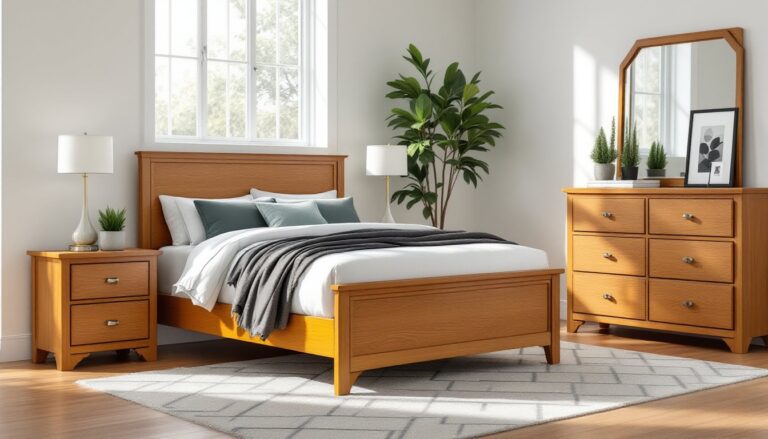
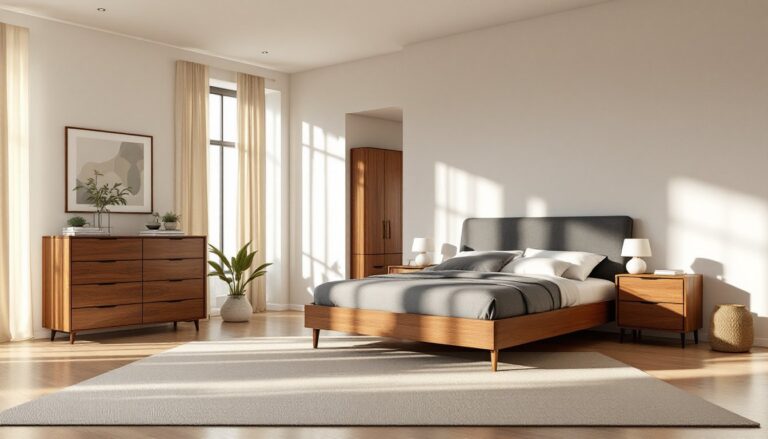
Living room furniture cabinets do more than hold stuff, they anchor a room’s layout, hide clutter, and display the things worth showing off. Whether someone’s wrestling with a tangle of media cables or looking for a place to showcase heirloom china, the right cabinet solves real problems while pulling a room together. But with options ranging from sleek media consoles to glass-front display cases, choosing the right piece means understanding both form and function. This guide walks through cabinet types, selection criteria, and styling strategies that work in real homes.
Table of Contents
ToggleKey Takeaways
- Living room furniture cabinets serve dual purposes by providing functional storage while acting as a design anchor that pulls the room together.
- Media consoles should be at least as wide as your TV (ideally 6–12 inches wider) and constructed from solid wood or plywood to safely support heavy electronics for years.
- Display cabinets require tempered glass shelves at least 1/4 inch thick, built-in LED lighting, and soft-close hinges to showcase collections while protecting them from dust.
- Proper measurements are critical—account for walkway clearance (30–36 inches), ceiling height, and visual proportion to avoid a cabinet that looks lost or oppressive in your space.
- Style display shelves using odd numbers of items, vary heights and shapes, and leave breathing room to create curated displays rather than cluttered arrangements.
- Quality construction matters: check that drawers glide smoothly, doors hang straight, and joints use dovetail or mortise-and-tenon joinery rather than stapled butt joints.
What Is a Living Room Furniture Cabinet?
A living room furniture cabinet is a freestanding or built-in storage unit designed to organize, conceal, or display items while complementing the room’s aesthetic. Unlike open shelving, cabinets feature enclosed compartments, typically with doors, drawers, or both, that keep contents protected from dust and out of sight.
Most living room cabinets fall into a few functional categories: media storage (housing electronics, DVDs, gaming gear), display storage (showing off collections behind glass), or general storage (books, blankets, board games, random household overflow). The construction typically involves a combination of solid wood, engineered wood like MDF or plywood, and sometimes metal or glass accents.
Dimensions vary widely, but standard TV consoles usually measure 48–72 inches wide and 16–24 inches tall, while taller display cabinets or sideboards can reach 60–80 inches high. The depth typically ranges from 15–20 inches to avoid protruding too far into the room’s walkways.
What sets living room cabinets apart from other storage furniture is their visibility. They’re not tucked into a closet or garage, they’re on display, so aesthetics matter as much as utility. A well-chosen cabinet should handle the practical load (literally and figuratively) while holding its own as a design element.
Types of Living Room Furniture Cabinets
Media Consoles and TV Cabinets
Media consoles are built for the modern living room’s tech demands. They typically feature open shelving for cable boxes and streaming devices (which need ventilation), cable management cutouts or channels in the back panel, and enclosed cabinets for hiding remotes, DVDs, and gaming controllers.
When selecting a media console, measure the TV’s base width and compare it to the console’s top surface, a good rule is the console should be at least as wide as the TV, ideally 6–12 inches wider for visual balance. Check the weight capacity too: a 65-inch TV can weigh 50–70 pounds, and the console needs to handle that plus any additional media equipment.
Materials matter here. Particleboard units from big-box stores might sag under heavy loads after a year or two, while solid wood or plywood construction with proper bracing will last decades. Look for adjustable shelves, component sizes change as tech evolves.
Some media cabinets include barn-style sliding doors or lift mechanisms that hide the TV when not in use. These work well in multipurpose spaces but add mechanical complexity and cost. Make sure any moving parts feel sturdy during testing: cheap hardware fails fast.
Display Cabinets and Curio Cases
Display cabinets (also called curio cabinets) feature glass doors and sides, interior lighting, and adjustable glass shelving. They’re designed to showcase collectibles, glassware, family heirlooms, or decorative objects while keeping them dust-free and secure.
These units range from compact corner curios (18–24 inches wide) to substantial wall-spanning display cases (60+ inches wide). Height varies from low console-style (30–36 inches) to full-height towers (70–80 inches).
Key features to evaluate:
- Glass thickness: Tempered glass shelves should be at least 1/4 inch thick to safely hold decorative items. Cheaper units use thin glass that’s prone to breakage.
- Lighting: Built-in LED puck lights or strip lighting enhances displays. Check if it’s plug-in or battery-powered and whether it’s easily replaceable.
- Door hardware: Soft-close hinges and magnetic catches keep doors aligned and quiet. Exposed hinges on the outside are easier to adjust than concealed European-style hinges but less refined looking.
- Back panel: Mirrored backs amplify light and make displays appear larger. Solid backs in a contrasting color (like black or navy) make objects pop.
Display cabinets work best away from direct sunlight, which can fade textiles and heat up the enclosed space. If the cabinet holds valuable items, consider models with locking doors.
How to Choose the Perfect Cabinet for Your Living Room
Start with function. Write down what needs storage, if it’s primarily electronics and media, a console makes sense. If it’s decorative objects or dishware overflow, a display cabinet fits better. For general household clutter, a closed-door credenza or sideboard offers flexible hidden storage.
Next, measure the space carefully. Note the wall width, but also measure depth from the wall to any opposing furniture, leaving at least 30–36 inches of walkway clearance. If the cabinet will sit under a window or between architectural features, measure those constraints too. Don’t forget ceiling height for taller units, and account for crown molding or baseboards that might interfere with flush placement.
Proportion matters. A tiny 42-inch console under a massive sectional looks lost: a towering 7-foot display cabinet in a room with 8-foot ceilings feels oppressive. Match the cabinet’s visual weight to the room’s scale. In smaller spaces, consider cabinets with legs or a floating design to preserve sightlines and make the room feel larger.
Evaluate construction quality before buying. Open drawers fully, they should glide smoothly on ball-bearing slides or undermount soft-close mechanisms, not cheap plastic tracks. Check that doors hang straight and close evenly. Examine joints: dovetail or mortise-and-tenon joinery in solid wood beats stapled butt joints in particleboard. Finished backs (rather than raw particleboard or cardboard) indicate better overall build quality.
Material choice affects both aesthetics and durability. Solid hardwoods like oak, walnut, or maple age well and can be refinished, but they’re pricey. Plywood with hardwood veneer offers good stability at moderate cost. MDF takes paint beautifully and resists warping but doesn’t hold screws as well over time. Engineered woods are fine for low-stress applications but avoid particleboard for anything supporting significant weight.
Consider existing room finishes. Matching or complementing wood tones creates cohesion, a warm walnut cabinet pairs well with medium-tone hardwood floors, while a painted white or gray piece works in rooms with cooler palettes. Mixed-material cabinets (wood with metal accents or glass inserts) bridge modern and traditional styles.
Finally, think about future flexibility. Modular systems or cabinets with adjustable shelving adapt as needs change. Avoid overly trendy finishes unless the plan is to replace the piece in a few years, classic profiles and neutral colors have staying power.
Styling Tips for Living Room Cabinets
Declutter first. Cabinets amplify whatever’s inside, so edit ruthlessly before arranging. If it doesn’t serve a purpose or spark genuine interest, it doesn’t belong on display.
For media consoles, hide the messy stuff (cable tangles, instruction manuals) in closed compartments and use open shelves for a few curated objects, a small plant, a stack of three coffee table books, a decorative bowl. Keep it minimal: open shelving on a media console isn’t meant to be a library.
Group items in odd numbers (three or five) when styling display cabinets. Vary heights and shapes, a tall vase next to a short wide bowl next to a medium sculpture creates visual interest. Use the rule of thirds: place focal items off-center rather than dead-center on a shelf.
Layer depth by placing smaller items in front of larger ones, but leave breathing room. Crammed shelves look cluttered, not collected. If the cabinet has glass shelves, remember viewers can see through from below, arrange thoughtfully on every level.
Lighting transforms displays. If the cabinet doesn’t have built-in lights, battery-powered LED puck lights stick to the top interior and highlight contents (check and replace batteries every few months). Adjustable spotlights from above or below also work.
Add texture and color with book spines, textiles (a folded throw on a lower shelf), or objects in complementary hues. If the cabinet interior is light-colored, darker objects stand out: in a dark cabinet, lighter items pop.
For closed cabinets used for general storage, use bins or baskets to corral smaller items, it keeps interiors tidy when doors open and makes retrieval easier. Label bins if the cabinet is shared by multiple household members.
Top surfaces on cabinets are prime real estate. Style them like a console table: a lamp at one end for ambient lighting, a tray with remotes or coasters, and a plant or art object for visual weight. Avoid turning the top into a dumping ground, if mail and keys constantly pile up there, the cabinet’s in the wrong spot or the household needs a better drop zone near the entry.
Conclusion
The right living room furniture cabinet does quiet, essential work, corralling chaos, showing off what matters, and anchoring the room’s layout without demanding constant attention. Focus on the practical stuff first: what needs storing, how much space is available, and what construction quality will last. Once the functional boxes are checked, style becomes easier because the cabinet already fits the room and the life happening in it.