Mini excavators are awesome for landscaping but to really get the most out of them, it is essential to have the right attachment as it can really make a huge difference in how quickly you can get things done, how much money you can save, and how good the final result of your landscaping projects will turn out.
Understanding these attachments is key. We’ll focus on buckets, augers, and rakes, which are essential for tasks like digging, trenching, grading, and material handling. In this article, we’ll explore these common mini excavator attachments for landscaping so you can start working smarter, not harder.
Mini Excavator Attachments in Modern Landscaping
Landscaping these days is all about bringing your vision to life efficiently. It’s important to know your tools and equipment inside out. Take excavators, for instance— they’re not just for big construction sites. A mini excavator, with the right attachment, can make your landscaping projects way easier and faster.
Some important excavation tools and landscaping equipment include:
- Buckets for digging and moving materials.
- Augers for drilling holes for plants or structures.
- Rakes for preparing sites and removing debris.
These mini excavator attachments are the most common landscaping equipment used and help achieve better results:
- Bucket Attachment
The bucket is the most common and versatile attachment of every mini excavator. Its job is to dig, shift soil, load gravel, and even break down small walls or structures. The cool thing is, there are different types of buckets for different jobs, so picking the right one is important.
Some buckets are made for specific things or certain types of soil. Grading buckets are your go-to for smoothing out surfaces and getting that precise final grade for your lawns, while trenching buckets are purpose-built for digging those narrow trenches needed for utilities or irrigation.
Precise soil management is another critical task for bucket attachments. Knowing your soil type is essential, as wet soil behaves differently than dry sand. For damp or sticky materials, a mud bucket is often suggested as it can prevent clogs. For dry materials like sand, a grading bucket can often be effective. Selecting the optimal bucket is crucial for proper soil handling, maintaining straight trench walls, and achieving a consistently level grade.
Beyond attachment selection, you must apply a controlled approach to the machine’s speed, lift, and draw rate. Mastering these techniques ensures you shape the earth exactly as planned, resulting in a structurally sound and long-lasting foundation.
- Rock Rake Attachment
When starting landscaping from scratch, rake attachments come in handy as it can remove debris like big boulders, tiny brush, and roots. They gather everything in one location, which greatly expedites the cleanup process.
The rake attachment can help in conditioning the soil by releasing compressed areas and creating a consistent surface for seeds or plants, which will improve their growth and remove undesired items from your landscape project.
Large areas in your landscaping project require a strong and rigid mini excavator rake attachment since it can save a great deal of time and labor when compared to a manual rake. It is important to note that there are different kinds of rock rakes out there, such as power rakes and collection rakes. The power rake is designed to pulverize, level, and prepare the soil surface, simultaneously pushing debris into piles for cleanup. In contrast, the grapple rake filters the soil, automatically separating and collecting rocks and debris for efficient removal.
- Auger Attachments
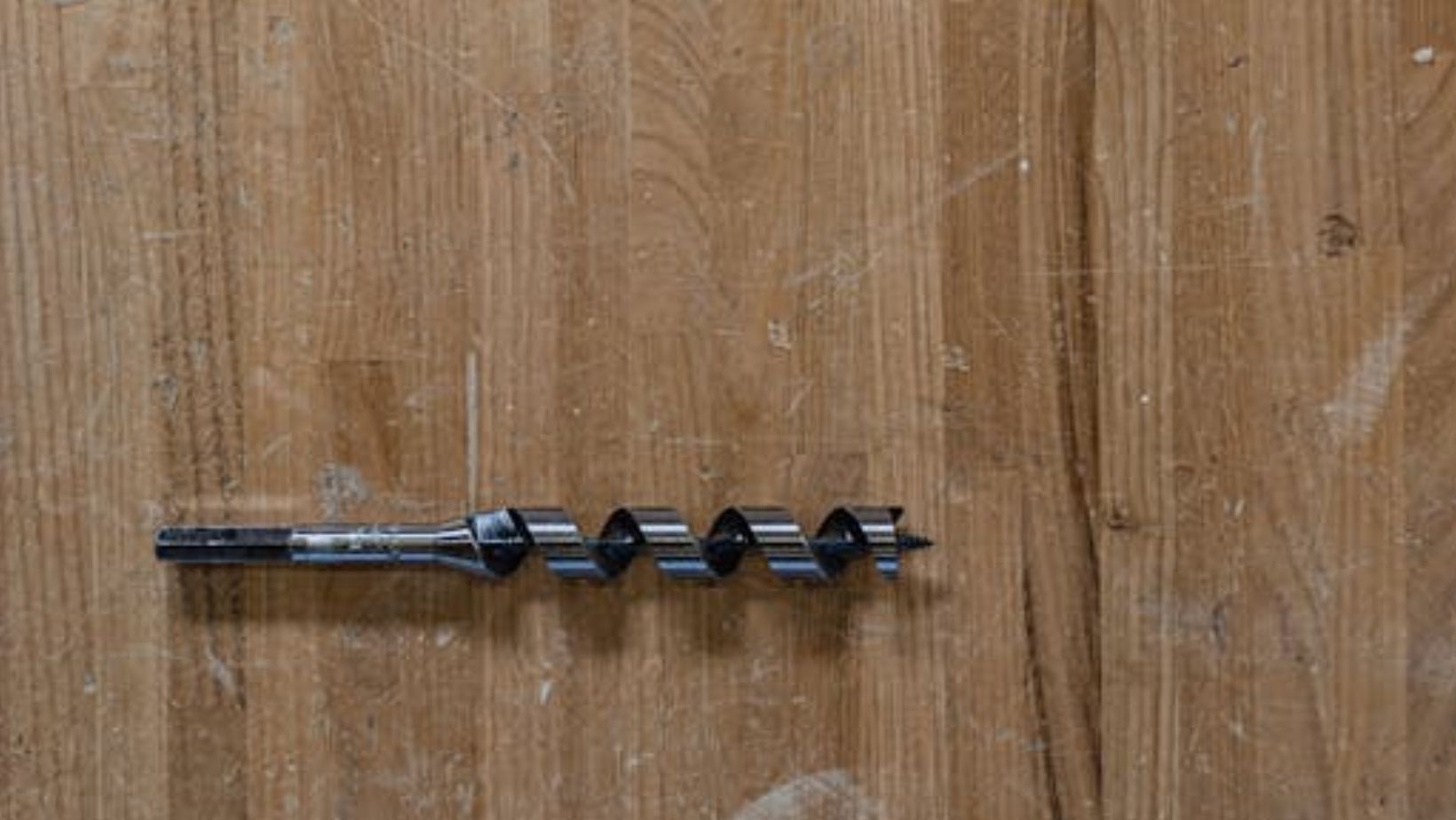
The Auger attachment is the key to drilling precise holes in modern landscaping. It creates perfectly sized cavities for everything from new tree planting and shrubs to solid fence posts and deck footings.
The first step is to acquire the appropriate auger equipment for the task. The auger bit’s length and diameter must match the needs of your project to ensure the best fit. For smaller jobs like planting shrubs, smaller diameter bits offer greater control and cleaner results. Conversely, large projects such as installing heavy fence posts or trees require a larger diameter bit to accommodate the root ball or concrete footing.
Due to this reason, the majority of experts favor the adaptability of an auger drive unit that can handle a variety of bit diameters. Using an auger attachment can significantly increase efficiency and precision compared to manual digging and ensuring that high-quality results for projects are achieved.
Final Thoughts
You can increase productivity and project success by choosing your attachments wisely. A mini excavator is undoubtedly a multipurpose machine, especially when all this equipment can be strategically combined with other processes to maximize project efficiency, in which heavy earthmoving can be done with a bucket, fine grading and debris cleanup can be done with a rake, and hole planting can be done with an auger attachment. As a result, you can save a great deal of time and effort at work, ensuring workflow and high-quality outcomes that will boost your customers’ or your own satisfaction.