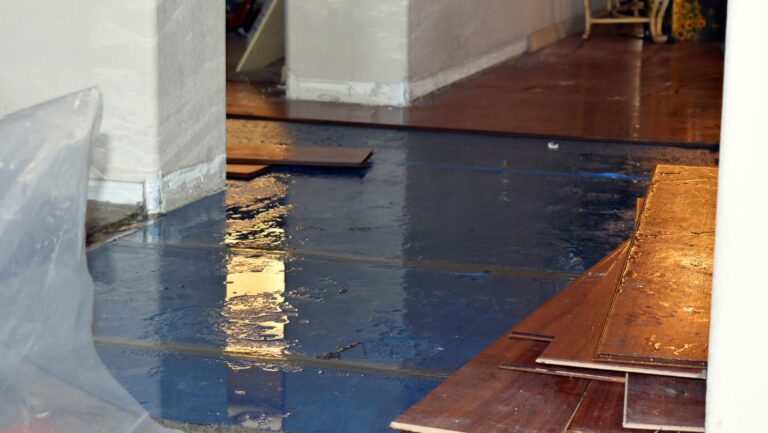
Have you ever stepped back from a weekend project — a fence post, a pergola footing, a mailbox, a new clothesline — only to realise it’s just slightly off? Not disastrous, but not quite straight either. It’s frustrating because you measured, you checked, you tried to be precise… yet somehow the final result still leans, twists, or settles unevenly.
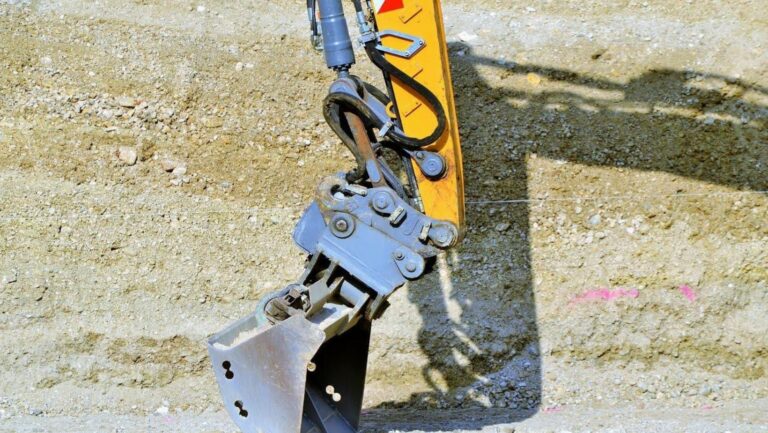
These small imperfections often have less to do with your skills and more to do with what’s happening under the surface. In fact, many issues begin before the first bit of timber or concrete is even placed. If you’ve ever looked into tools like auger drilling, you’ll know one of the biggest challenges is getting the ground prepared properly — and that’s where most DIY projects unintentionally slip up.
Here’s why so many outdoor builds end up crooked or uneven, and what you can do to achieve straighter, sturdier results every time.
1. The Ground Is Almost Never as Even as It Looks
Most people assume their garden or yard is reasonably flat. But soil is full of subtle dips, slopes, mounds, and soft spots that throw accuracy off by a surprising amount.
Even a small variation of:
- 1–2 cm in soil density
- A slight soft patch
- Hidden roots or rubble
- A gentle slope your eye doesn’t detect
…can make a post or structure lean the moment weight is applied.
How to fix this:
Rake, level, and compact the area before you do anything else. Use a long, straight piece of timber or a proper level to find the true high and low points — not just the ones you think you see.
2. Holes Aren’t Consistent Enough
Uneven holes are one of the biggest culprits of “mystery leaning projects.”
A hole that is:
- wider on one side
- slightly angled
- deeper in the front than the back
- cut through mixed soil densities
…will naturally force whatever you’re placing inside to sit crooked.
This is one reason professionals often rely on machinery designed specifically for consistent ground preparation — because a perfectly straight and uniform hole makes everything that follows far easier.
What you can do at home:
Use a digging tool that keeps your boreholes consistent, check depth from multiple angles, and avoid rushing the process. A few extra minutes measuring the hole can save hours of frustration later.
3. Posts Shift During Backfilling — Even When You Think They Don’t
You can get a post perfectly straight… and then lose all that accuracy while filling the hole back in.
Backfilling pushes the post, sometimes by just a few millimetres, which is enough to ruin the alignment once concrete sets or once the structure is loaded.
To prevent shifting:
- Brace posts firmly before backfilling
- Fill the hole slowly and evenly
- Compact in layers rather than dumping soil or concrete all at once
- Keep checking the level as you fill, not just at the start
New DIYers often think “it looks fine” and move on — only to notice the lean the next day.
4. You’re Not Accounting for Soil Movement Over Time
The ground is constantly expanding, shrinking, and shifting. Temperature changes, rain, drought, foot traffic, and tree root growth all move the soil, even if only slightly.
This means perfectly straight work can become uneven weeks or months later.
How to stay ahead of natural movement:
- Compact the soil firmly before building
- Dig deeper holes if the structure needs more stability
- Use harder-setting materials where appropriate
- Avoid building too close to trees with aggressive roots
Even small seasonal changes can throw your project off if the base isn’t prepared carefully.
5. You’re Measuring the Wrong Way Around
The most common DIY mistake isn’t lack of tools or lack of effort — it’s measuring from the wrong reference point.
People often measure:
- from a fence that isn’t actually straight
- from a patio edge that was installed on a slight angle
- from a deck that slopes for water drainage
- from visual cues like rooflines that aren’t level
If your reference point isn’t straight, your project won’t be either.
A better approach:
Use a laser level, string line, or chalk line. Always create a fresh straight reference point rather than trusting what’s already there.
6. Gravity Is Ruthlessly Honest
A project might look perfect while you’re holding it… but gravity exposes every tiny mistake the moment you let go.
That’s why bracing, checking, and rechecking are essential. Professional builders rarely trust their eyes — they trust tools, lines, and physics.
7. Your Tools Might Be Working Against You
Old levels, bent shovels, dull bits, and cheap spirit levels can make a straight job look crooked.
Even a level that is off by a few millimetres can throw off an entire fence or structure.
Invest in or borrow quality tools:
It makes a noticeable difference in accuracy, effort, and long-term results.
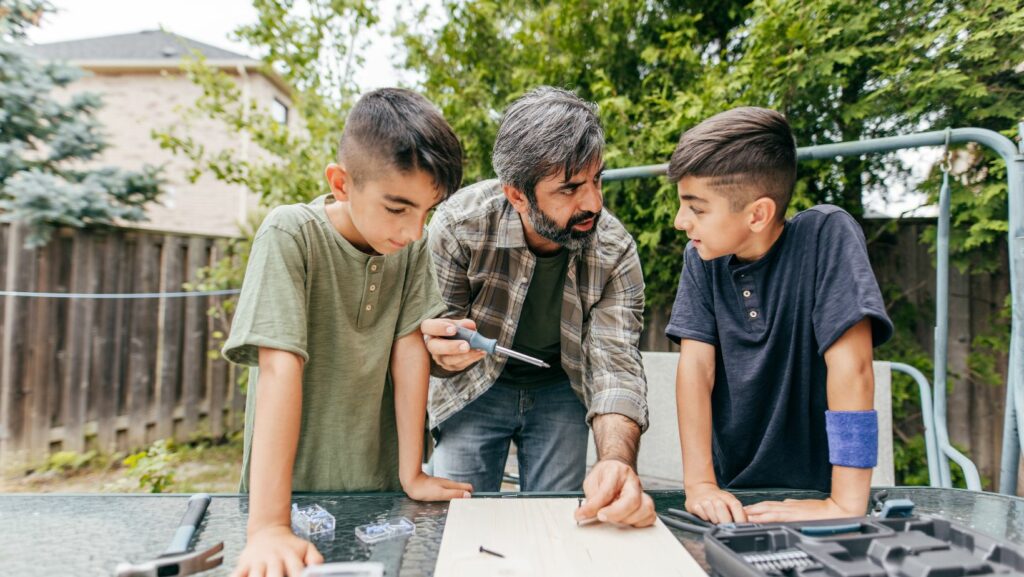
Want Straighter, More Professional Results? Think Below the Surface
Outdoor DIY projects fail long before the timber or screws go in — they fail at ground preparation.
When you focus on:
- consistent hole depth
- proper stability
- accurate referencing
- preventing post movement
- understanding soil behaviour
…everything you build becomes stronger, straighter, and far more durable.
Your projects don’t need to look slightly crooked anymore. With the right approach and a little more attention to what’s happening under the surface, you’ll get the kind of results that look like a pro did the work — even if it’s just you on a Saturday afternoon.