In today’s fast-paced world, modular furniture is revolutionizing the way people think about home and office spaces. This innovative approach offers flexibility and adaptability, allowing individuals to create functional environments that cater to their unique needs. With a variety of styles and configurations, modular pieces can transform any room into a personalized oasis.
As urban living spaces shrink and lifestyles evolve, modular furniture emerges as a practical solution. It maximizes space efficiency while providing the freedom to rearrange and reconfigure layouts with ease. Whether it’s for small apartments or dynamic workspaces, modular designs empower users to embrace creativity and functionality without sacrificing aesthetics.
Overview of Modular Furniture
Modular furniture represents a versatile design approach that adapts to various environments and lifestyles. Its key features and benefits cater to the needs of modern living and working spaces.
Definition and Characteristics
Modular furniture consists of individual components that can be assembled and reconfigured to create customized layouts. Common characteristics include:
- Interchangeability: Components easily swap, allowing users to change designs as needed.
- Scalability: Designers create pieces in multiple sizes, making them suitable for various spaces.
- Multi-functionality: Items serve multiple purposes, such as a sofa bed or shelving unit, maximizing usability.
- Compactness: Designs often feature slim profiles, optimizing limited spaces, especially in urban settings.
Advantages of Modular Furniture
Modular furniture provides numerous advantages that enhance both functionality and aesthetics. Key benefits include:
- Flexibility: Users can rearrange components to fit changing needs, fostering adaptability in design.
- Space Efficiency: Modular designs maximize available space, accommodating small apartments and open offices.
- Easy Transport: Lightweight pieces simplify relocation, ideal for changing residences or offices.
- Personalization: Users choose colors, materials, and configurations, allowing for tailored aesthetics that reflect individual styles.
- Cost-effectiveness: Modular options often reduce costs by providing expandable solutions, eliminating the need for constant purchases.
Modular furniture not only meets practical demands but also empowers users to craft environments that resonate with their unique lifestyles.
Types of Modular Furniture
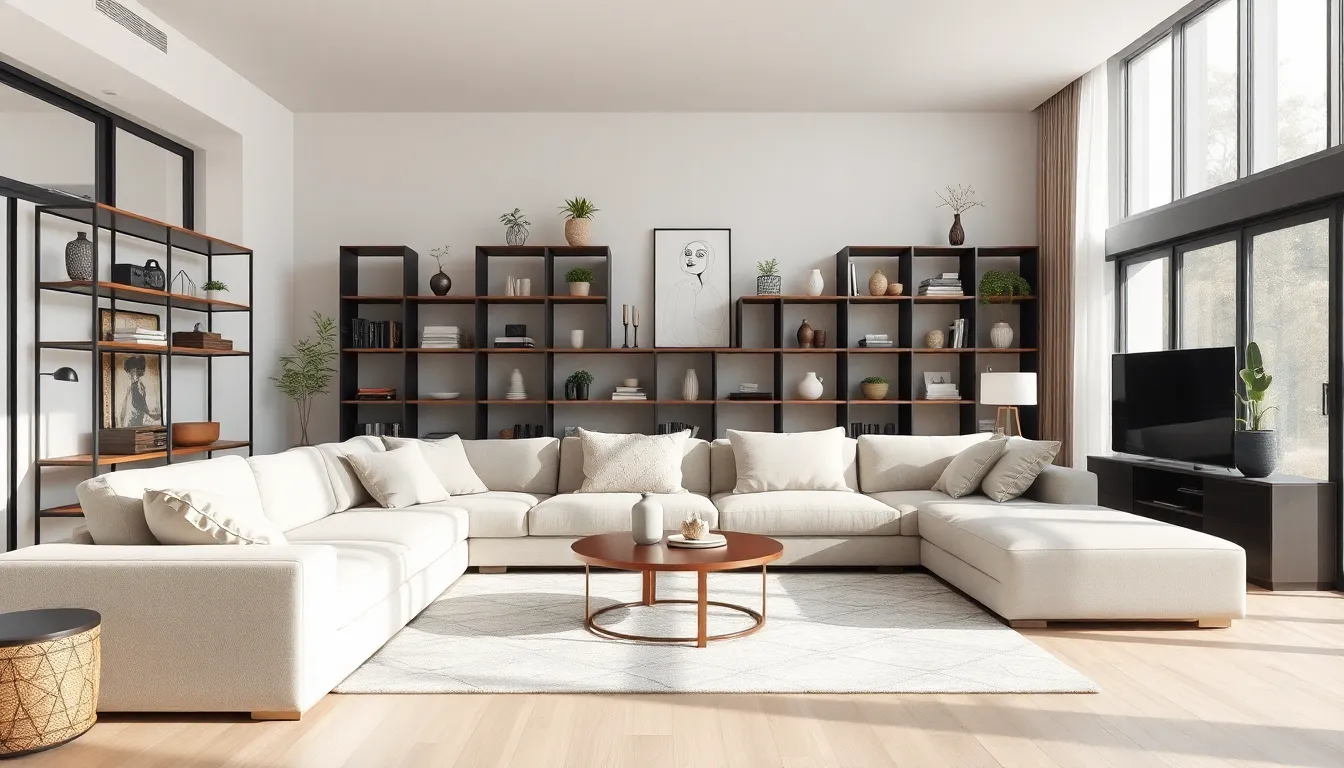
Modular furniture includes various designs tailored for different spaces and purposes. Here are some common types:
Modular Sofas
Modular sofas consist of interchangeable pieces, allowing users to rearrange seating layouts according to their needs. They offer options for sectionals, loveseats, and even chaise lounges, making it easy to adapt to changing room configurations. Common features include additional storage within sections, removable covers for easy cleaning, and the ability to add or remove components to suit specific preferences.
Modular Shelving Systems
Modular shelving systems provide customizable storage solutions that can be expanded or reconfigured as storage needs evolve. These systems often feature adjustable shelves, wall-mounted components, and various finishes to match interior décor. Users can mix and match shelves, cabinets, and boxes, creating personalized storage spaces that maximize vertical and horizontal space efficiently.
Modular Office Solutions
Modular office solutions enable flexible workspaces that cater to dynamic work environments. These solutions often include desks, partitions, and storage units designed for easy assembly and customization. Options such as foldable desks, movable filing cabinets, and collaborative workstations allow for efficient use of space while promoting teamwork. Users benefit from easy reconfiguration, accommodating shifts in office layout and employee collaboration needs.
Design Flexibility in Modular Furniture
Design flexibility in modular furniture provides users with the ability to create dynamic spaces that adapt to their ever-changing needs. This feature is particularly valuable in modern environments where adaptability and personalization are crucial.
Customization Options
Customization options for modular furniture enhance its appeal by allowing users to tailor products to their preferences. Customers can choose from different colors, materials, and configurations to match their individual tastes and home or office décor. Many manufacturers offer modular components that can be combined in various ways, enabling the creation of unique pieces that satisfy specific functional and aesthetic requirements. This level of customization ensures that each item not only fits perfectly into the desired space but also reflects the user’s style.
Space Optimization
Space optimization through modular furniture contributes significantly to efficient usage in smaller living and work environments. Modular pieces can be easily reconfigured or expanded as needs change, eliminating wasted space while maintaining functionality. Multi-functional units, such as ottomans with hidden storage or desks that convert into meeting tables, maximize utility without sacrificing design. Additionally, the compact nature of modular furniture allows it to fit seamlessly into tight or unconventional spaces, promoting a clutter-free atmosphere while enhancing overall aesthetic appeal.
Popular Brands and Trends
Modular furniture encompasses a variety of brands that excel in design and innovation, alongside evolving trends shaping the market.
Leading Brands in Modular Furniture
- IKEA: Known for affordability and accessibility, IKEA offers a wide range of modular options, including sofas and shelving. Their designs emphasize simplicity and functionality.
- Lande: This brand specializes in sustainable modular furniture, focusing on eco-friendly materials. Lande’s offerings include adaptable seating and dynamic shelving systems.
- Muji: Muji stands out for minimalist designs that promote space efficiency. Their modular solutions include multi-functional furniture, with a strong emphasis on decluttering.
- HAY: HAY combines contemporary aesthetics with practicality. Their modular systems encompass versatile pieces that suit both home and office environments.
- BØRGE: Offering luxury modular solutions, BØRGE features premium materials and innovative designs. Their products focus on creating sophisticated and adaptable living spaces.
Current Trends in Modular Design
- Sustainability: There’s a growing focus on eco-conscious materials and production methods. Brands incorporate recycled components and sustainable practices to meet consumer demand for green options.
- Customization: Consumers increasingly prefer furniture tailored to their unique preferences. Brands now offer extensive customization options in colors, sizes, and materials.
- Compact Living: With urban spaces shrinking, designs that prioritize space-saving become essential. Modular furniture adapts seamlessly to smaller homes without sacrificing style.
- Multi-functionality: More designs include pieces that serve multiple purposes, like beds that convert into sofas or tables with integrated storage. This trend enhances utility and space efficiency.
- Tech Integration: As smart homes rise, modular furniture incorporates technology. Innovative features, such as built-in charging ports and smart lighting, align with modern lifestyles.
Modular furniture stands out as a game-changer for contemporary living and working environments. Its inherent flexibility and adaptability cater to the diverse needs of users, making it an essential choice for maximizing space and enhancing functionality. With the ability to customize designs and layouts, individuals can create personal spaces that reflect their unique styles while optimizing utility.
As trends continue to evolve, the focus on sustainability and multi-functionality in modular furniture will likely shape future designs. Embracing this innovative approach allows for a seamless blend of aesthetics and practicality. Whether in a cozy apartment or a dynamic office, modular furniture offers solutions that adapt to the fast-paced lifestyle of today’s world.