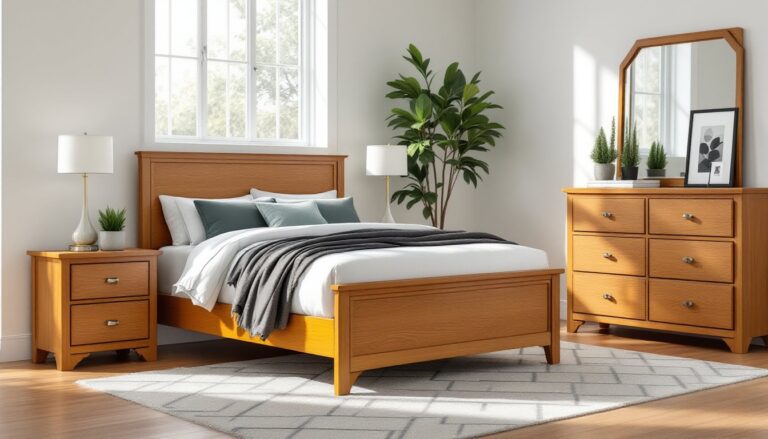
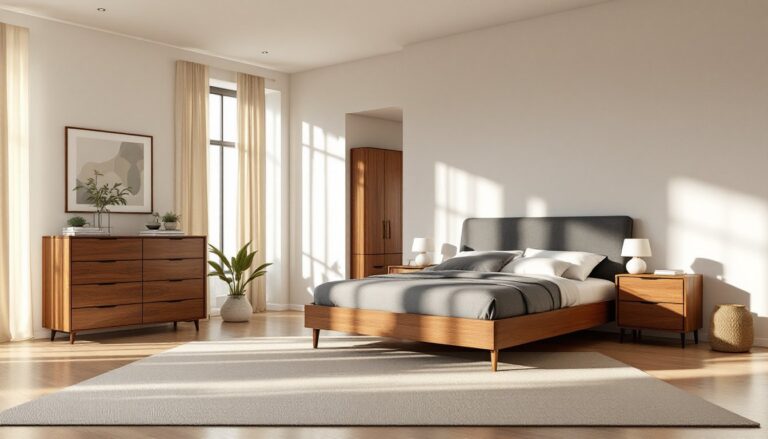
Some rooms have that effortless, elevated look — the kind that feels thoughtful without being overdone. And then there are rooms that technically have “nice things”, but somehow still look cheaper than they should. The difference usually comes down to subtle design choices, not the price tag of the furniture. Even something as simple as mismatched décor, poor lighting, or ignoring the style of features like French oak floors can unintentionally drag down the entire space.
The good news? These mistakes are incredibly common — and incredibly easy to fix. Here are the small details that quietly influence how expensive (or inexpensive) your room feels.
1. Mixing Too Many Styles Without a Clear Anchor
A lot of people confuse “eclectic” with “random.” While blending styles can absolutely look high-end, doing it without intention often creates visual noise.
Why it happens:
You buy décor you like individually, but you don’t think about how the pieces relate to each other.
How to elevate the space:
- Choose one primary style — modern, traditional, Scandinavian, coastal, etc.
- Add accents from other styles sparingly and deliberately.
- Use one consistent design element across the room, like metallic finishes or natural textures.
Rooms feel more expensive when the visual story is clear.
2. Ignoring Scale and Proportion
A tiny rug under a large sofa. Lamps that are too small for the nightstands. A massive sectional squeezed against every wall. These mismatches instantly make a room feel cheaper.
Quick ways to fix scale:
- Your rug should sit under at least the front legs of your sofa.
- Choose artwork that’s large enough to anchor the wall, not disappear on it.
- Select furniture that fits the room’s shape rather than the store display.
When proportions feel harmonious, even budget pieces look more luxurious.
3. Overcrowding the Room With Too Much Décor
More isn’t always more. Overdecorating can make a room feel cluttered and less refined.
You don’t need 17 cushions, 12 candles, and five competing centrepieces. Most high-end spaces include intentional breathing room.
Try this instead:
- Leave some surfaces empty
- Choose one statement piece per area
- Use clean lines and simple forms
Luxury is often found in the quiet spaces between objects.
4. Poor Lighting Makes Everything Look Cheaper
Lighting is one of the biggest giveaways of an inexpensive-looking room. Harsh white lights, dim corners, or nothing but a single ceiling lamp can instantly flatten the space.
Lift the room with layered lighting:
- Add warm-toned bulbs
- Include table and floor lamps
- Use lighting to highlight textures, artwork, or architectural details
When the lighting feels intentional, the entire room feels upgraded.
5. Neglecting Texture (One of the Fastest Ways to Cheapen a Room)
Texture adds depth and visual interest. Without it, everything looks flat — even if the furniture is high-quality.
Add simple texture variations:
- Pair smooth surfaces with woven fabrics
- Add natural materials like linen, timber, or jute
- Introduce soft throws, ribbed cushions, or textured ceramics
Texture creates that “designer” look without needing luxury furniture.
6. Choosing Décor That Doesn’t Complement Your Flooring
Flooring is one of the biggest visual anchors in a room. When décor doesn’t suit the tone or character of your floors, the room feels mismatched — and therefore, cheaper.
For example, if you have elegant features like french oak floors, pairing them with ultra-glossy or overly modern furniture can cause a disconnect.
You can improve harmony by:
- Matching undertones (warm with warm, cool with cool)
- Using natural materials like timber, stone, or linen
- Avoiding decor that visually competes with the flooring grain
When the flooring supports the overall aesthetic, everything in the room feels more cohesive.
7. Using Too Much Generic Décor
It’s easy to fall into the trap of buying the same décor everyone else has — mass-produced prints, overly trendy colours, and cheap-looking accessories.
These items can date a room quickly and dilute the sense of quality.
Upgrade the feel with:
- One-of-a-kind pieces, even inexpensive ones
- Handmade pottery or original artwork
- Vintage accents that add character
- Simple statement items instead of overly trendy ones
Uniqueness always elevates a room.
8. Forgetting to Create Visual Balance
A visually heavy room — one side cluttered, the other empty — naturally feels less expensive. Balance is key in making a space feel thoughtful and well-designed.
Fix visual weight by:
- Spreading darker or larger pieces evenly
- Using symmetry where it makes sense (e.g., matching lamps)
- Balancing bold items with softer ones
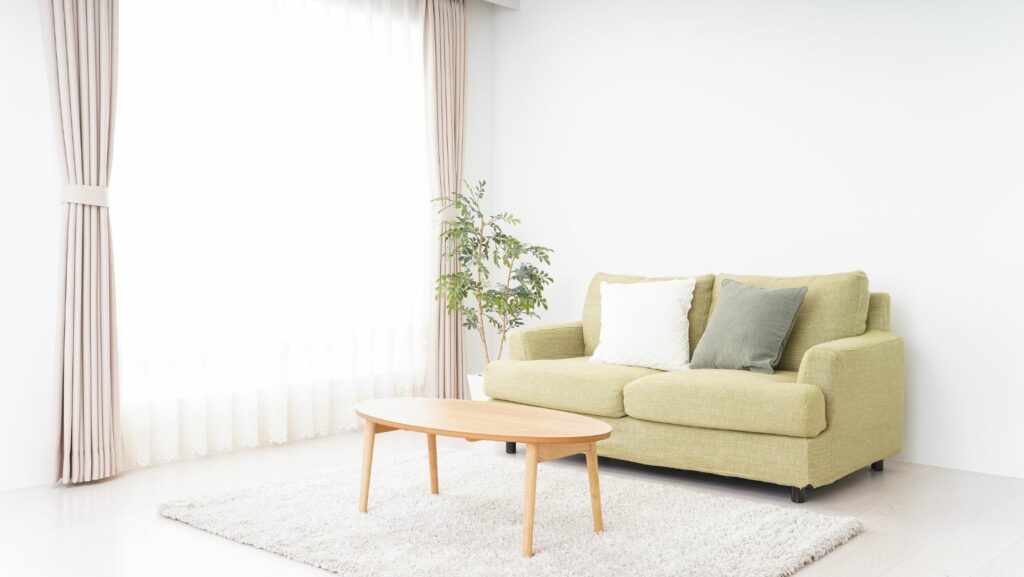
The more balanced the room feels, the more high-end it appears.
A Room Can Look Expensive Without Expensive Pieces
The difference between an elevated space and a cheap-looking one usually isn’t the budget — it’s the details. Once you get scale, balance, lighting, and texture right, your room instantly feels more intentional, more cohesive, and much more luxurious.
Small tweaks can completely transform how a space looks and feels — proving that great design is rarely about price, and almost always about thoughtful choices.