Flooring is one of the most influential elements in a home. It sets the tone for a room, guides how people move through it, and can completely shift the mood from formal to casual. Stone has long been a favourite material because it adapts to changing styles without losing its timeless appeal. Whether you’re looking to complement a period property or create a modern, minimal interior, options like limestone tiles provide a versatile foundation that works across both ends of the design spectrum.
Why Stone Has Stood the Test of Time
Stone flooring has been used in architecture for centuries, and its continued popularity comes down to two things: durability and character. Unlike many man-made alternatives, stone gains depth and richness as it ages. Minor variations and imperfections don’t detract from its beauty — they enhance it.
This natural evolution makes stone suitable for both traditional and modern designs. In a classic setting, it reinforces authenticity, while in a contemporary home, it introduces a tactile, organic quality that balances sleek lines and glass finishes.
Stone in Classic Interiors
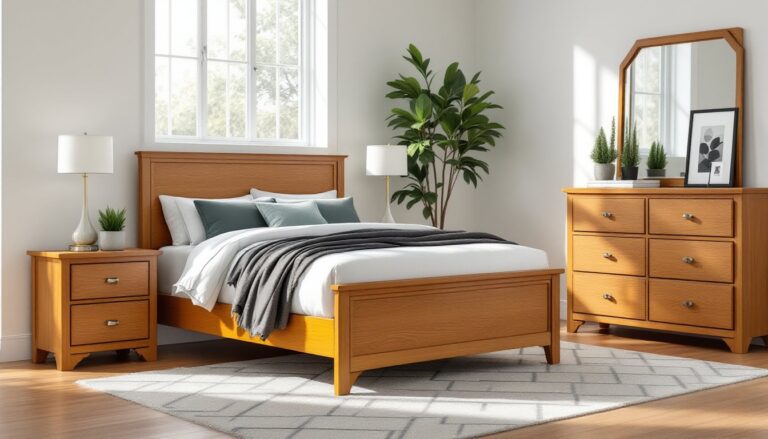
Traditional homes often feature intricate details, rich materials, and a focus on comfort. In these spaces, flooring should add warmth and substance without overwhelming the design. Honed or tumbled finishes are popular because they soften the stone’s appearance and provide a lived-in charm.
Colours also play a role. Creams, beiges, and muted greys create a neutral backdrop that allows timber furniture and vintage décor to shine. For homeowners renovating older properties, stone flooring offers an authentic link between past and present.
Stone in Contemporary Spaces
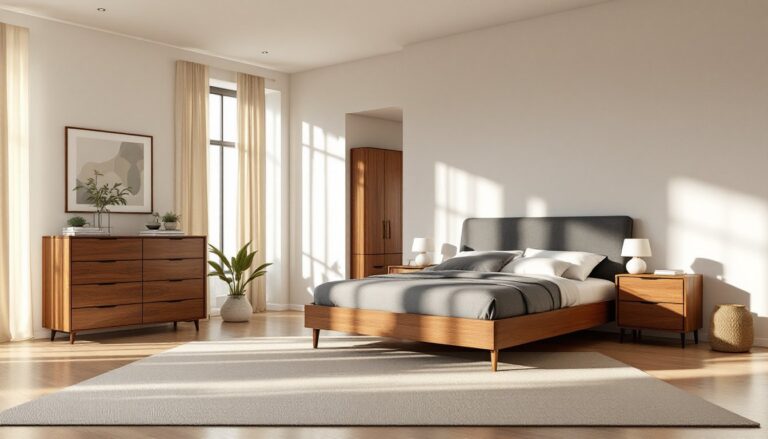
Modern interiors tend to focus on simplicity, clean lines, and open layouts. Here, stone delivers a grounding element that prevents rooms from feeling too stark. Polished or brushed finishes add refinement, while larger tile sizes create a seamless flow across expansive areas.
For contemporary kitchens and living spaces, cooler shades of grey or darker tones can emphasise sophistication. Meanwhile, outdoor entertaining areas benefit from textured finishes that provide grip while still aligning with a modern design palette.
Creating a Seamless Indoor–Outdoor Flow
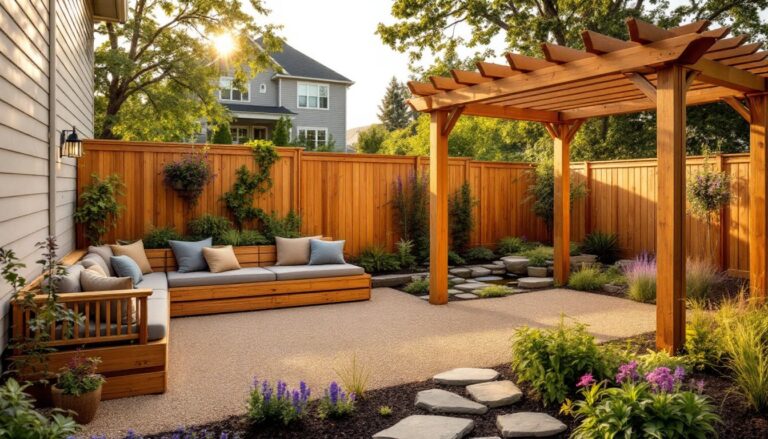
One of the strongest design trends today is blurring the line between inside and out. Stone makes this transition effortless. By using the same material throughout, homeowners can extend their living areas and create a sense of continuity.
This is especially effective in homes with sliding glass doors or large openings to patios. A consistent floor surface enhances flow, while textured finishes ensure safety outdoors without compromising on style indoors.
Practical Benefits That Suit Any Home
Beyond aesthetics, stone flooring offers everyday advantages that make it practical for families and busy households:
- Durability: Resistant to heavy foot traffic and long-lasting.
- Low Maintenance: With the right sealing, it’s easy to clean and resistant to stains.
- Cooling Effect: Particularly beneficial in warmer climates, as stone tends to stay cool underfoot.
- Value Adding: Often viewed as a premium feature that can increase a property’s appeal.
Choosing the Right Stone for Your Space
The key to success lies in matching the finish and colour to your home’s overall style. Rustic spaces benefit from softer, more natural finishes, while contemporary designs thrive on sharper edges and sleeker appearances.
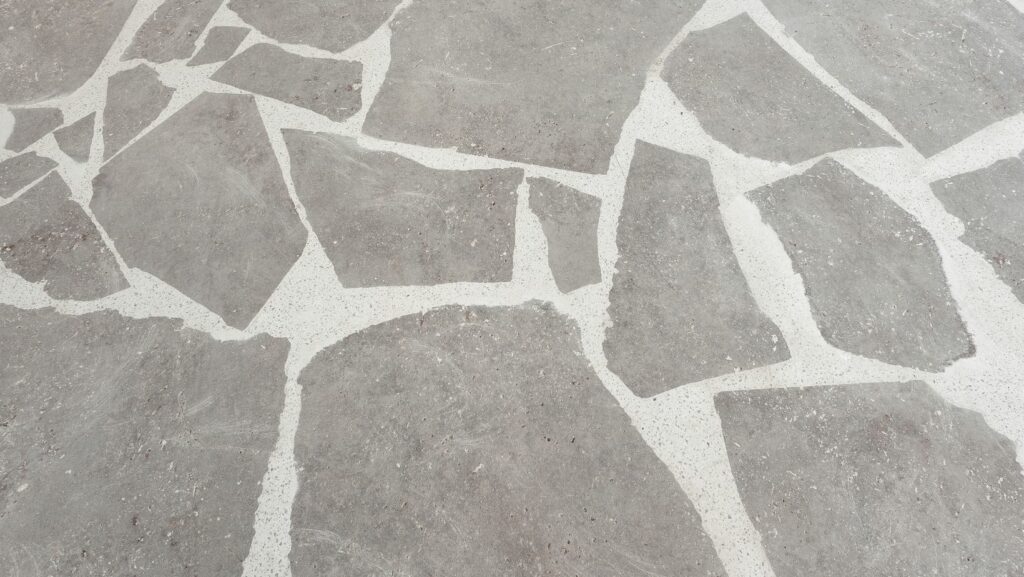
It’s also important to think about where the flooring will be installed — kitchens, hallways, and outdoor areas may demand different levels of slip resistance and maintenance.
A Material That Bridges Styles
Few materials can claim to be as versatile as stone. It adapts to different design eras, complements a wide variety of furnishings, and continues to look better with age. Whether you lean towards a classic or modern style, stone flooring offers a dependable, stylish solution that stands the test of time.
By choosing carefully, you can create a home where every step feels grounded, secure, and effortlessly stylish — proof that some design elements truly do bridge the gap between tradition and innovation.