When it comes to landscaping, the side of the house often gets the cold shoulder. But why let that prime real estate go to waste? With a little creativity and some elbow grease, those narrow strips of land can transform into vibrant pathways or lush gardens that make neighbors green with envy.
Imagine a charming flower bed bursting with color or a cozy seating nook that turns an overlooked area into a hidden gem. Side house landscaping isn’t just about aesthetics; it’s about maximizing every inch of your property. So roll up those sleeves and get ready to turn that neglected space into the talk of the block. After all, who knew your side yard could be the next big thing in outdoor living?
Overview of Side House Landscaping
Side house landscaping optimizes narrow strips of land, enhancing a home’s exterior appearance and functionality. Transforming these spaces can create inviting outdoor areas, making them valuable features of a property.
Definition and Importance
Side house landscaping refers to the design and cultivation of the often-neglected areas adjacent to a home. These spaces serve multiple purposes, including increasing property value and aesthetic appeal. Using creative solutions, homeowners can turn unutilized land into vibrant gardens or functional areas, making a significant impact on the overall landscaping of any property.
Benefits of Effective Landscaping
Effective side house landscaping offers numerous advantages. Enhanced curb appeal attracts positive attention and increases property value. Creating functional outdoor spaces provides additional areas for relaxation or entertaining guests. Improved drainage and soil health can occur with well-planned garden design. Also, colorful plants and thoughtful designs positively affect homeowner satisfaction and neighborhood aesthetics.
Planning Your Side House Landscape
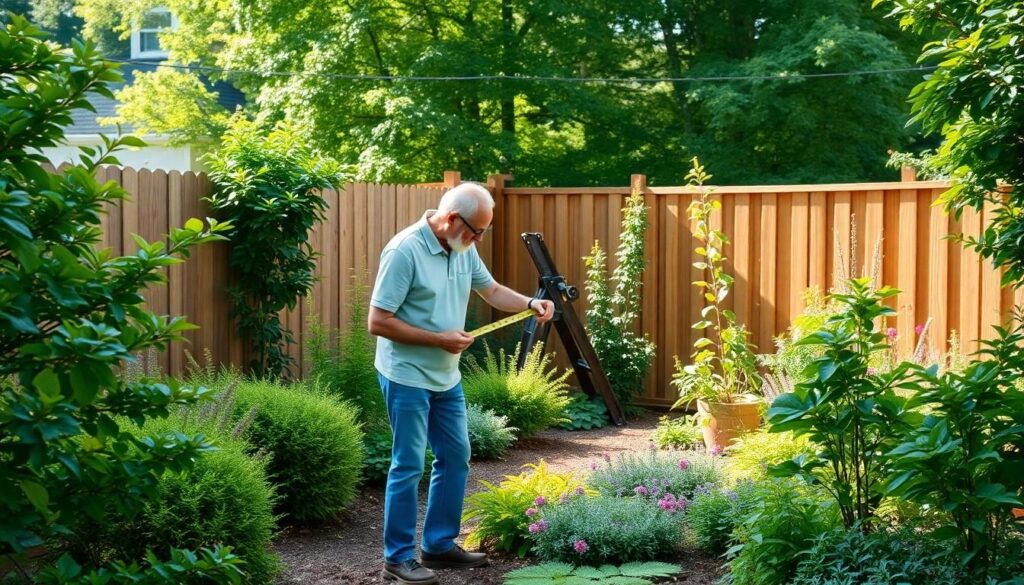
Planning a side house landscape involves careful consideration of space and plant selection. Homeowners benefit most from a clear strategy that maximizes both beauty and functionality.
Assessing Your Space
Start by measuring the dimensions of the side yard. Space measurements provide a foundation for design. Evaluate sunlight exposure throughout the day, as different plants thrive in varying light conditions. Identify drainage patterns to address any moisture issues. Consider existing structures like fences or walls that might influence your layout. Finalize your assessment by noting any features, such as pathways or utility access spots, that affect plant placement.
Choosing the Right Plants
Select plants that fit the side yard’s conditions. Choose drought-resistant varieties for areas with limited water access. Incorporate native plants to support local wildlife and reduce maintenance. Combine flowering shrubs with perennials to create visual interest across seasons. Structure plant height strategically to ensure taller plants do not overshadow shorter ones. Include ground covers to prevent erosion and suppress weeds, enhancing the overall health of the landscape.
Design Ideas for Side House Landscaping
Transforming side yards into inviting spaces doesn’t require extensive upkeep. Homeowners can focus on low-maintenance options to enjoy the beauty without the hassle. Consider incorporating native plants, as they adapt well to local climates and conditions. Use ornamental grasses, which require minimal grooming. Additionally, ground covers like creeping thyme or sedum thrive with little attention, providing lush greenery year-round.
Vertical gardening stands out with its creative use of limited space. Homeowners can install wall planters or trellises to showcase climbing vines such as clematis or ivy. Use shelves or pockets for herbs, making the area both decorative and functional. Container gardens on fences can add vibrant colors, showcasing various blooms. Creating layers of plants not only maximizes space but also enhances aesthetics, allowing for a visually pleasing side yard.
Common Challenges in Side House Landscaping
Several challenges arise in side house landscaping that can impact the overall success of a project. Understanding these hurdles helps homeowners create vibrant and functional spaces.
Managing Shade and Sunlight
Managing shade and sunlight poses a common challenge. Homeowners often encounter areas with uneven sunlight due to neighboring buildings or trees. Evaluating sunlight exposure throughout the day is essential. Choosing shade-tolerant plants can enhance these areas. Select plants like ferns or hostas that thrive in lower light conditions. Conversely, regions that receive full sun allow homeowners to incorporate sun-loving varieties such as lavender or daylilies. Effective planning based on sunlight patterns leads to healthier landscapes.
Dealing with Drainage Issues
Dealing with drainage issues can complicate side house landscaping. Poor drainage may cause water to pool, affecting plant health and soil structure. Homeowners must assess current drainage patterns before planting. Implementing solutions like raised beds or swales can facilitate proper water movement. Installing drainage tiles might also redirect water away from low spots. Furthermore, selecting plants that tolerate wet conditions or drought can improve resilience. Addressing drainage upfront enhances the overall landscape appearance and functionality.
Transforming side yards into inviting landscapes can significantly enhance a home’s overall appeal. Homeowners have the opportunity to create functional and beautiful spaces that not only add value but also provide enjoyment. By carefully planning and selecting the right plants and design elements, they can turn these often-neglected areas into stunning features.
Embracing low-maintenance options and innovative gardening techniques allows for a vibrant outdoor space without overwhelming upkeep. Ultimately, investing time and creativity into side house landscaping can lead to a remarkable transformation that impresses visitors and elevates the outdoor living experience.